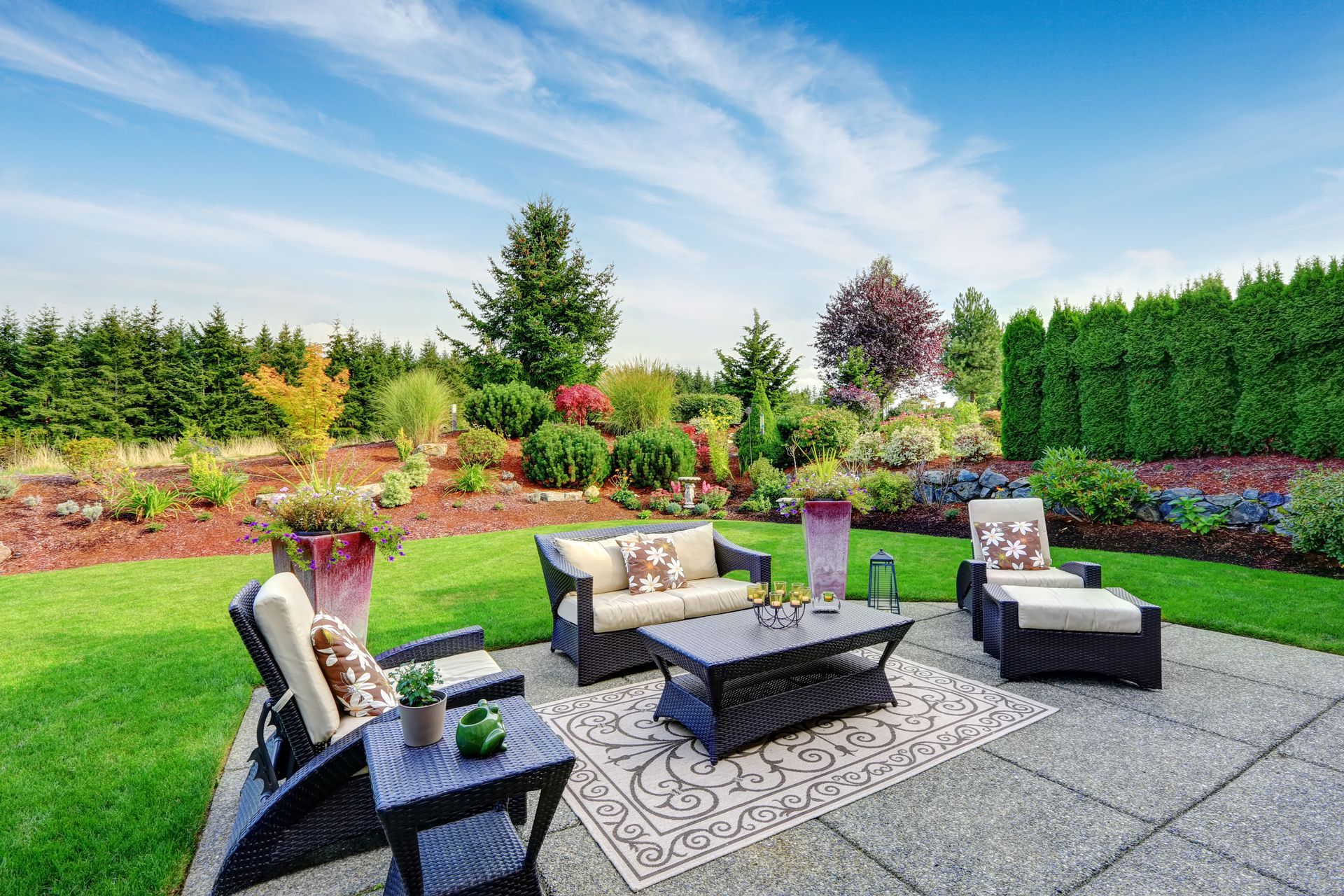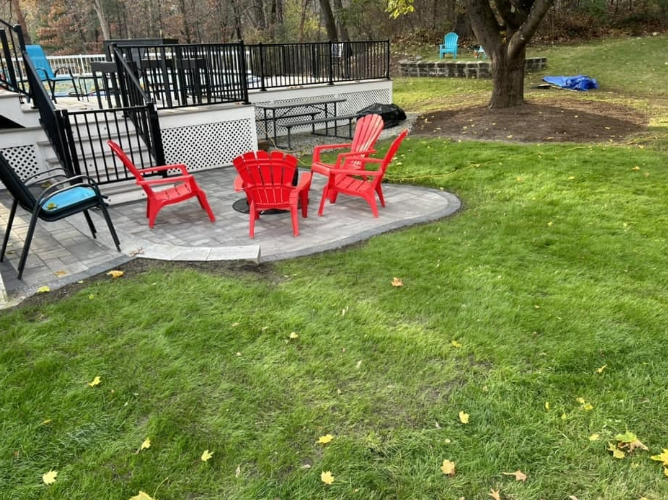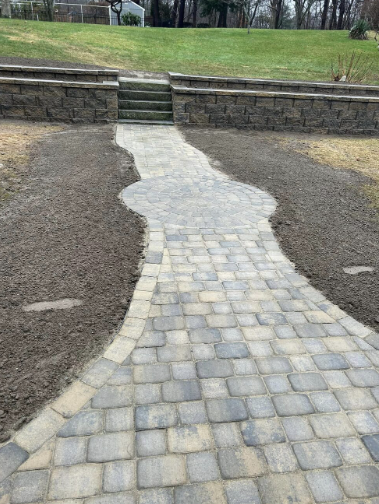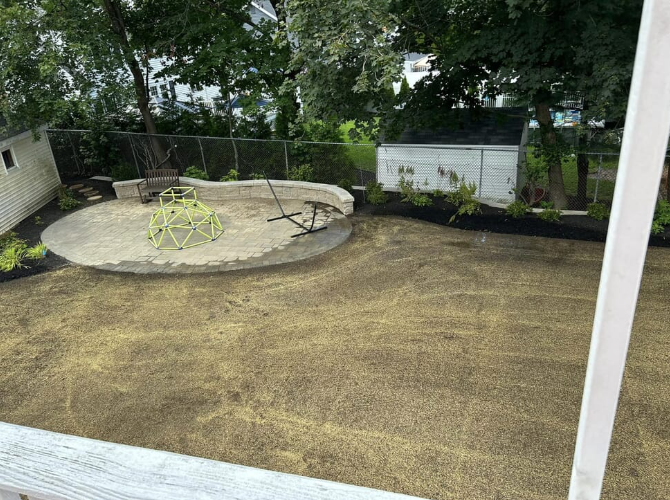
Transform Your Outdoor Living Space
Hardscape patio designs combine durable materials with creative layouts to create stunning outdoor living spaces. For homeowners looking for inspiration, here are the most popular hardscape patio styles:
- Contemporary Paver Patios: Clean lines with smooth, large-format pavers
- Natural Stone Designs: Irregular flagstone patterns with organic appeal
- Multi-Level Entertaining Spaces: Terraced designs with built-in features
- Fire & Water Combinations: Integrated fire pits alongside water elements
- Permeable Eco-Friendly Surfaces: Sustainable designs with drainage benefits
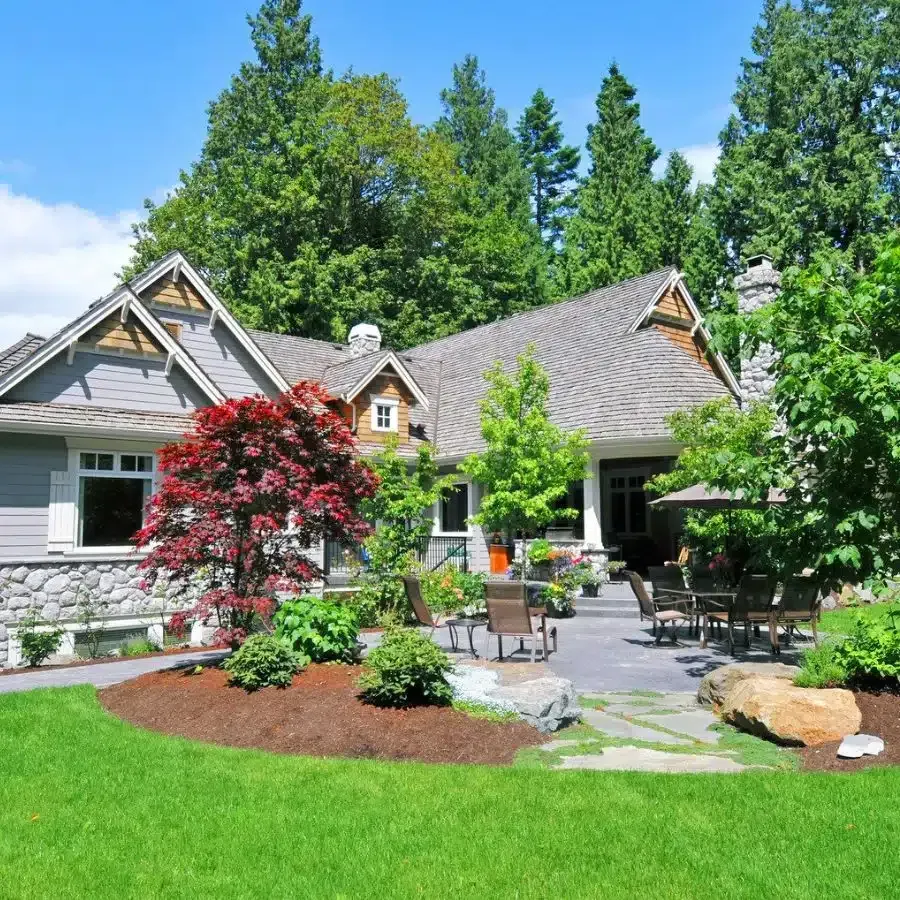
As a homeowner, your patio is more than just an outdoor space—it’s an extension of your home that adds both beauty and functionality to your property. The right hardscape patio can increase your home’s value by up to 12% while creating the perfect setting for everything from quiet morning coffees to lively evening gatherings.
I’m John Caplis, owner of AJM Grounds LLC, where I’ve spent years designing and installing custom hardscape patio designs for homeowners throughout Woburn, Massachusetts and surrounding areas. My team specializes in creating outdoor spaces that perfectly balance aesthetics, functionality, and durability for our New England climate.

Find more about hardscape patio designs:
– hardscaping contractor
– residential hardscape design
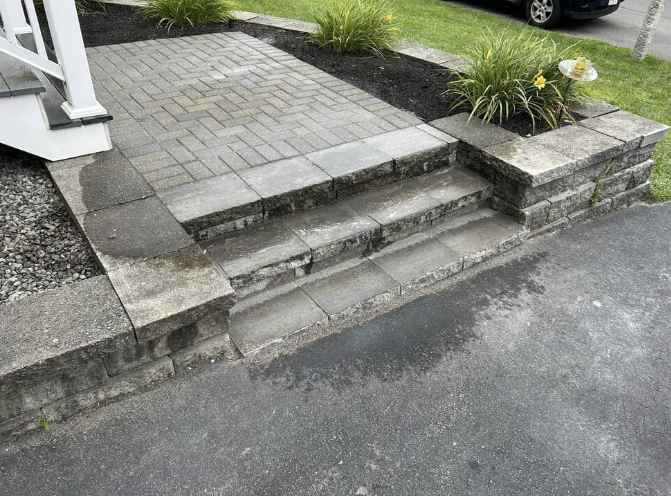
– retaining wall with paver patio
What Is a Hardscape Patio?
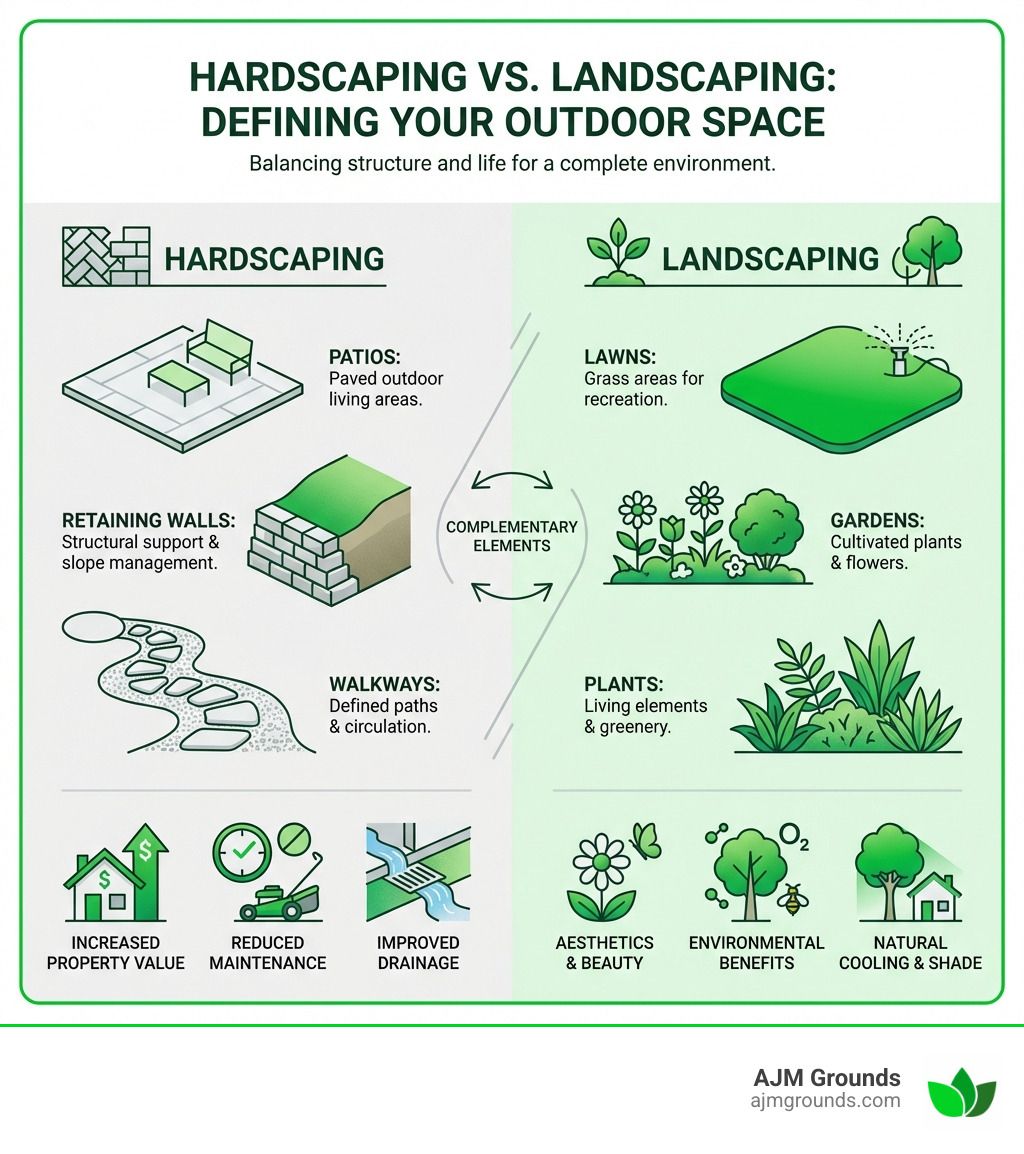
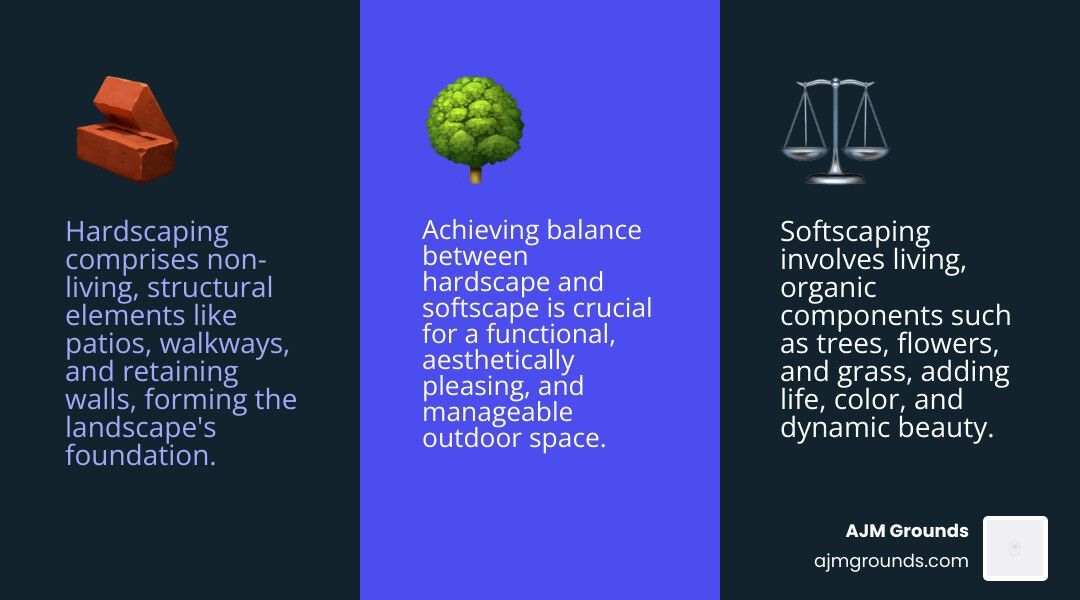
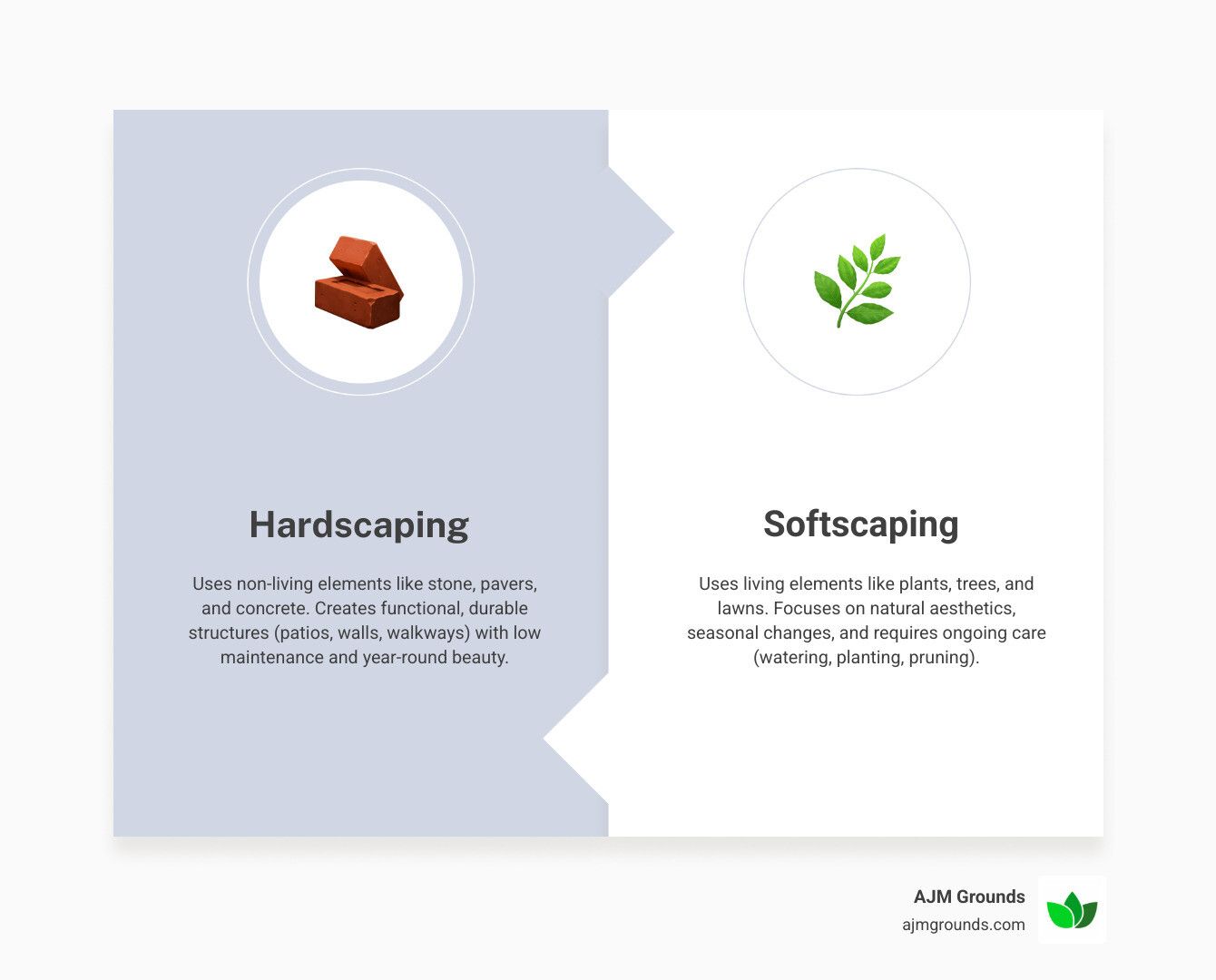
Before diving into specific designs, let’s clarify what we mean by “hardscape patio.” In landscaping terminology, hardscaping refers to the non-living elements of your outdoor space—the “hard” materials like stone, concrete, brick, and wood that create structure and functionality.
A hardscape patio is an outdoor living area constructed with these durable materials, creating an impermeable surface designed for furniture placement, entertainment, and outdoor living. Unlike decks (which are typically liftd and made of wood or composite materials), patios are generally ground-level structures that seamlessly integrate with your landscape.
Hardscaping contrasts with “softscaping,” which includes all the living elements like plants, trees, shrubs, and grass. The most successful outdoor spaces skillfully balance both hardscape and softscape elements to create harmony and visual interest.
According to the American Society of Landscape Architects, patios and hardscapes are among the top three most requested outdoor design elements by homeowners, showing just how essential these features have become in modern home design.
#1 Contemporary Paver Oasis
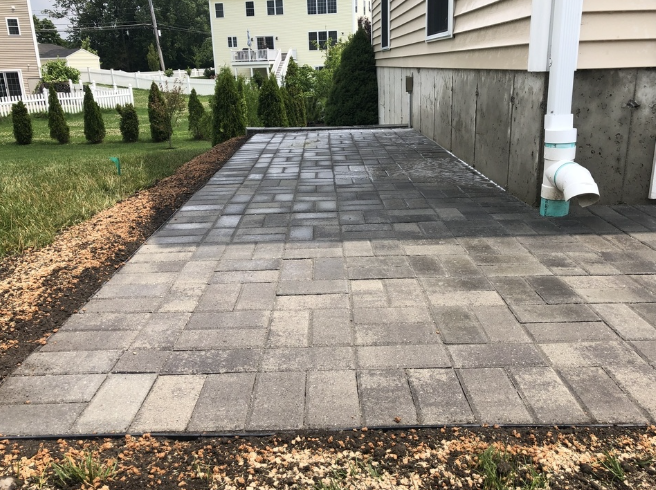
If you’re dreaming of a sleek, modern outdoor space, a contemporary paver patio might be just what you’re looking for. These hardscape patio designs have become incredibly popular among our Woburn clients who appreciate clean lines and minimalist aesthetics that complement today’s architectural styles.
Contemporary paver patios typically feature linear pavers with smooth surfaces and crisp edges. The beauty lies in their simplicity – large-format slabs arranged in geometric patterns create a sense of order and spaciousness that feels both sophisticated and inviting.

I’ve noticed that most of our clients in Bedford, Lexington, and Winchester are drawn to neutral color palettes for these modern designs. Soft grays, warm taupes, and crisp whites provide a perfect backdrop that won’t compete with your outdoor furniture or plantings. The Catalina Grana® collection is one of our favorites for achieving this look – its smooth texture and precise edges create that coveted contemporary feel.
“When I’m designing a modern paver oasis for a client,” I often tell them, “we’re really creating a canvas for your outdoor lifestyle.” These patios aren’t just beautiful – they’re incredibly practical too. The minimal grout lines mean fewer places for weeds to grow, and the smooth surfaces are comfortable underfoot, even for bare feet during summer gatherings.
What makes these contemporary designs stand out is how they blur the line between indoor and outdoor living. The clean, uncluttered look creates a natural extension of your home’s interior style, especially when paired with modern outdoor furniture and strategic lighting.
For our New England clients, durability is just as important as style. Thankfully, today’s high-quality pavers stand up beautifully to our harsh winters and hot summers without fading or cracking. Many of our Woburn homeowners tell us their contemporary patios look just as good years later as they did on installation day.
Design tip: Consider laying your pavers in a simple running bond or stacked bond pattern to emphasize those clean, modern lines. If you’re feeling more adventurous, a herringbone pattern with linear pavers can add subtle visual interest while maintaining that contemporary feel.
#2 Rustic Flagstone Retreat
There’s something undeniably charming about a flagstone patio that just feels like home. If you’re drawn to spaces that look like they’ve been part of the landscape forever, a rustic flagstone retreat might be your perfect hardscape patio design.
Flagstone isn’t just one material – it’s a family of flat stones split from sedimentary rock, including varieties like bluestone (a New England favorite), warm-toned sandstone, and durable limestone. What makes flagstone special is its character – each piece has its own unique shape, natural edges, and earthy color variations that simply can’t be manufactured.
“I remember creating a patio for a family in Lexington who wanted something that felt like it had been there for generations,” shares our installation team leader. “We used reclaimed New England fieldstone with moss growing between the joints and surrounded it with native plants. Every time I visit, it looks even more beautiful – like the house and patio have always belonged together.”
The irregular puzzle-like pattern of flagstone creates a relaxed, cottage-garden atmosphere that pairs beautifully with the traditional architecture you’ll find throughout Stoneham, Reading, and Burlington. For a more formal look, we can fit the stones tightly together, or if you prefer that enchanted garden feel, we can space them with plants or moss growing between.
Flagstone patios truly shine when paired with natural stone seating walls – low structures typically 18-24 inches high that define the space while providing casual perches for guests. These built-in seating options reduce the need for extra furniture and create natural gathering spots around the patio.
Design tip: Don’t be afraid to mix materials! Some of our most successful hardscape patio designs in Winchester and Lexington combine flagstone with brick or cobblestone borders. This mixed-material approach not only adds visual interest but also helps tie your patio to the historical character of these beautiful communities.
The natural texture of flagstone also provides practical benefits – its slightly rough surface offers excellent traction even when wet, making it a safe choice for our sometimes unpredictable New England weather. And while each stone is unique, we carefully select pieces that provide comfortable, stable footing for your outdoor living space.
#3 Sleek Porcelain Courtyard
If you’ve been noticing a sophisticated new look in the upscale patios of Lexington and Winchester, you’re likely admiring the rising star of hardscape patio designs: porcelain pavers. These neat tiles bring the refined aesthetic of interior flooring to your outdoor spaces, but with engineering specifically designed to withstand the elements.
What makes porcelain pavers so special? For starters, they come in impressive large formats—some as big as 24″ x 48″—creating an almost seamless outdoor surface with minimal grout lines. This clean, uninterrupted look delivers a distinctly urban feel that many of our clients are falling in love with.
“We installed porcelain pavers for a family in Burlington last summer,” shares our design consultant. “They wanted their patio to feel like a natural extension of their home’s interior. The warm gray porcelain tiles we selected mimicked limestone perfectly, but without any of limestone’s maintenance headaches. The minimal joints created what essentially feels like an outdoor room rather than a traditional patio.”
The beauty of porcelain goes beyond aesthetics. These pavers are practically bulletproof when it comes to maintenance. Unlike natural stone that can be porous and prone to staining, porcelain resists everything from red wine spills to pool chemicals. They never need sealing, don’t fade in our harsh New England sun, and clean up beautifully with just a simple wash.
This low-maintenance quality makes porcelain particularly perfect for areas where you entertain. Dining spaces, pool surrounds, and outdoor kitchens benefit from porcelain’s resistance to stains and ease of cleaning. For busy homeowners in Woburn and Reading, this means more time enjoying your outdoor space and less time maintaining it.
Design tip: For the most contemporary, sleek appearance, work with your installer to keep joint lines between porcelain pavers narrow—ideally just 1/8″ to 1/4″ wide. This creates that coveted seamless look that’s particularly effective in smaller urban spaces. The effect can make even modest-sized patios in Reading or Woburn feel more spacious and refined.
Porcelain’s versatility in mimicking other materials is truly remarkable. Whether you love the look of exotic hardwoods, industrial concrete, or rare natural stone, there’s likely a porcelain paver that captures that aesthetic—but with superior durability and practically zero upkeep. This chameleon-like quality makes porcelain an excellent choice for homeowners who want specific looks without the associated maintenance challenges.
#4 Multi-Level Entertainer’s Dream
For sloped properties or homeowners who love to entertain, multi-level patios offer both practical solutions and dramatic design possibilities. By incorporating terraced levels connected by steps or short walls, these hardscape patio designs create distinct zones for different activities while maximizing usable outdoor space.

“Multi-level patios are essentially creating rooms outdoors,” explains our senior designer. “Just like your home has dedicated spaces for cooking, dining, and relaxing, your outdoor space can follow the same logic, with different levels naturally defining each area.”
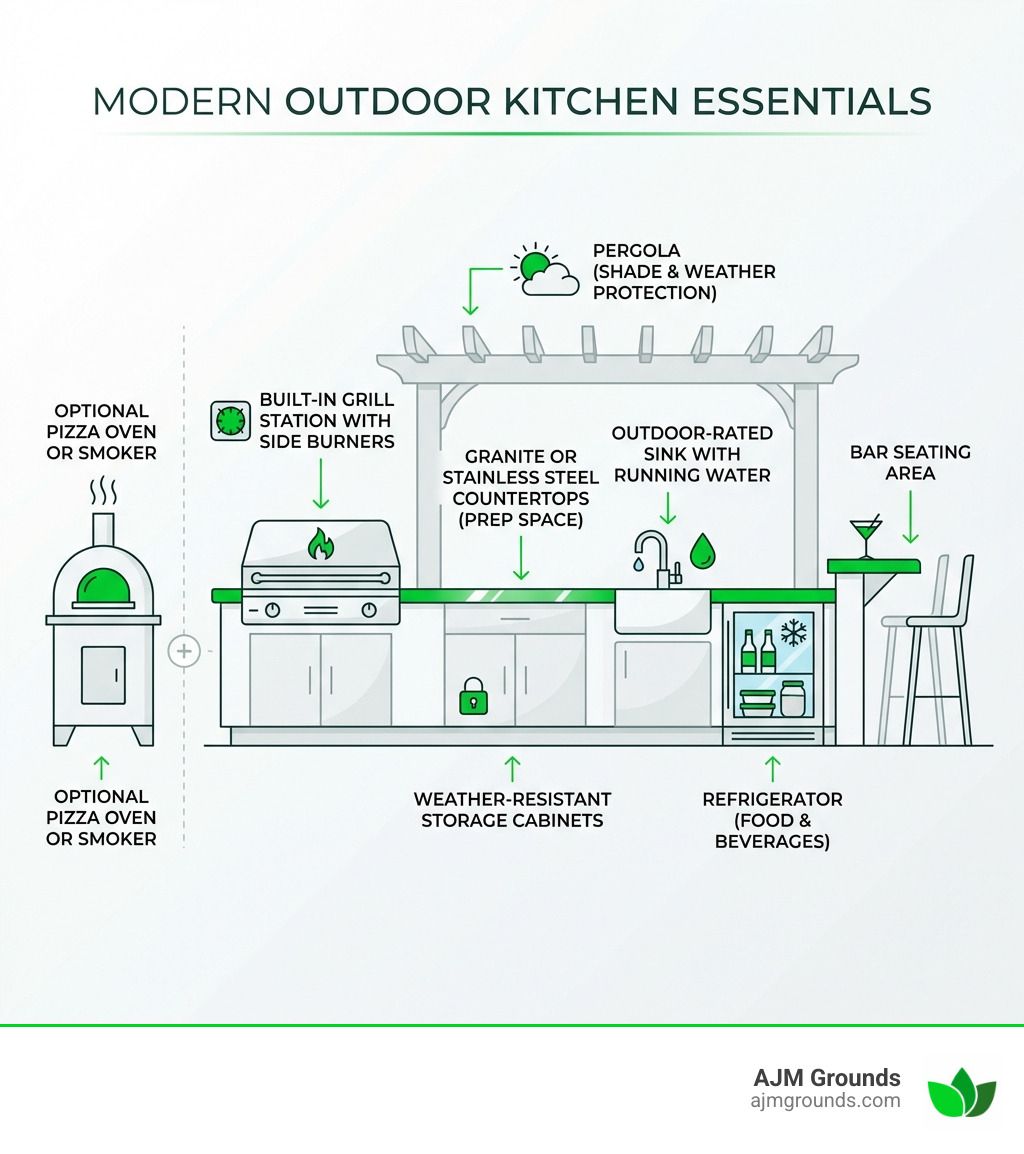
I recently completed a project in Winchester that perfectly showcases this approach. The upper level, directly accessible from the home, features a fully equipped outdoor kitchen with a built-in grill, refrigerator, and bar seating where guests can chat with the chef. A few neat steps lead down to a middle dining terrace with a large table sheltered by a pergola, creating the perfect spot for family meals. The lowest level centers around a fire pit with comfortable lounge seating, naturally encouraging conversation and relaxation as the evening progresses.
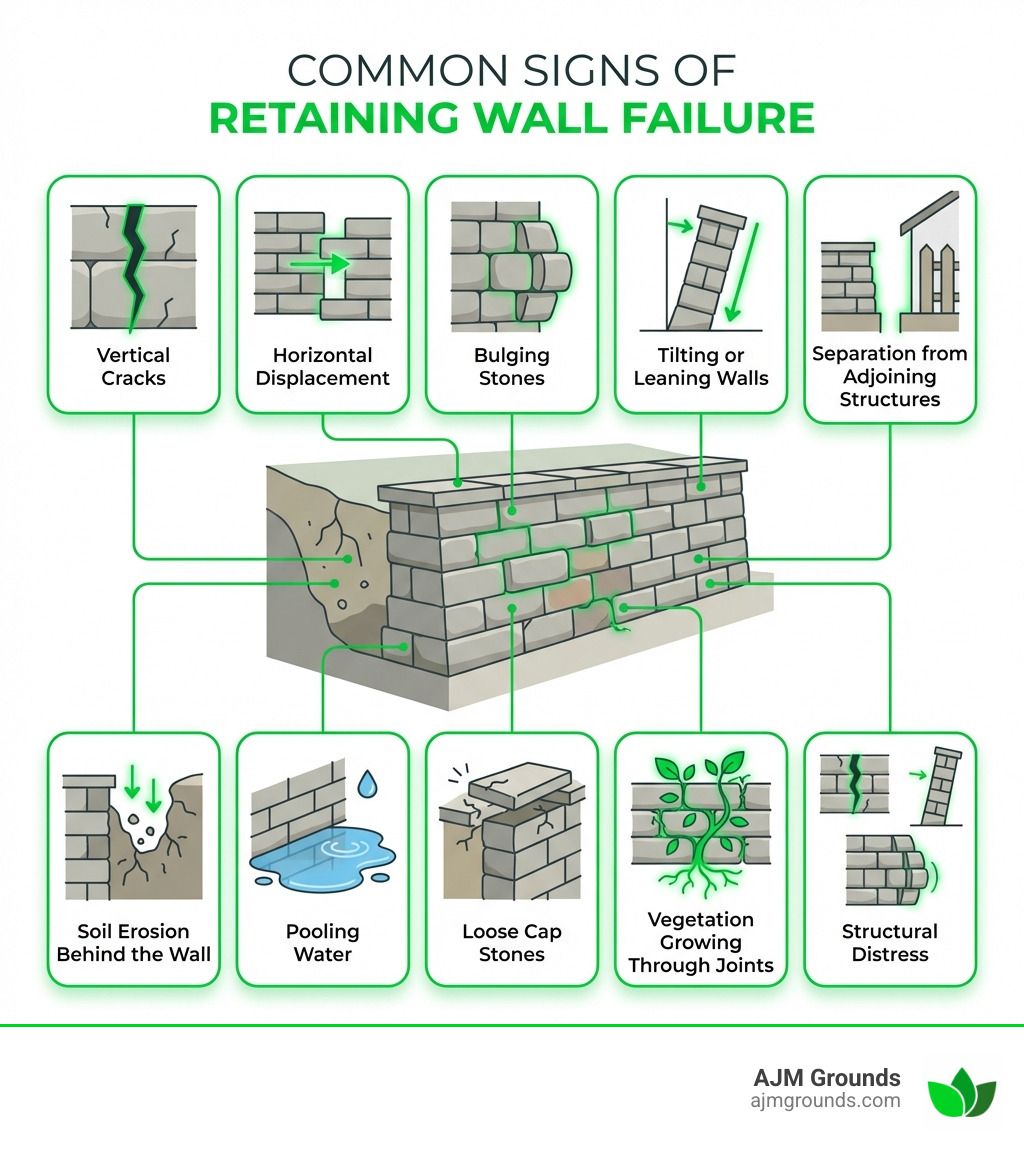
Retaining walls do double duty in these designs – they provide essential structural support while serving as beautiful design features. Depending on your aesthetic preferences and budget, we can use natural stone for a timeless look, manufactured blocks for modern appeal, or poured concrete for clean simplicity. In Lexington and Winchester, we’ve found that natural stone walls complement the traditional architecture beautifully.
Built-in lighting transforms multi-level patios after sunset. It’s not just beautiful – it’s essential for safety. We integrate step lights to illuminate transitions between levels, while accent lighting on walls and around plant beds creates a magical evening ambiance. One client in Billerica told me their multi-level patio gets more use after dark than during the day because the lighting creates such a special atmosphere.
Design tip: When planning your multi-level dream patio, think about natural flow and convenience. Position kitchen and dining areas closer to the house for easy access, while creating more recreational spaces farther away. This principle has guided our designs throughout Woburn, Billerica, Wilmington and all the communities we serve.
The beauty of a multi-level design is that it can work with your land rather than against it. What might initially seem like a challenging sloped yard can become a dramatic, functional outdoor living space that’s the envy of the neighborhood – and the perfect setting for creating lasting memories with family and friends.
#5 Eco-Friendly Permeable Paradise
As environmental awareness grows, so does the popularity of permeable paver patios. These innovative hardscape patio designs allow water to pass through the surface and infiltrate into the ground below, reducing runoff and helping to replenish groundwater supplies.
According to the EPA, permeable pavements can reduce stormwater runoff by 70-90% compared to traditional impermeable surfaces. This is particularly important in communities like Woburn and Winchester, where stormwater management is a growing concern.
“Permeable pavers are a win-win,” says our sustainability specialist. “They look just as beautiful as traditional pavers but offer significant environmental benefits. Plus, they can help homeowners comply with local regulations about impervious coverage and stormwater management.”
These systems typically consist of specially designed pavers with wider joints filled with small, angular stone that allows water to flow through. Beneath the pavers, layers of progressively larger crushed stone create a reservoir that temporarily holds water before it slowly infiltrates into the soil.
Beyond their environmental benefits, permeable pavers offer practical advantages too. They reduce puddles and ice formation in winter, making them safer and more usable year-round in our New England climate. They also tend to be more flexible than solid concrete, which helps them resist cracking during freeze-thaw cycles.
Design tip: Complement your permeable patio with drought-tolerant native plants and a rain garden to create a complete eco-friendly landscape. This approach not only looks beautiful but also significantly reduces your outdoor water usage and maintenance requirements.
#6 Fire & Water Fusion Lounge
Some of the most captivating hardscape patio designs bring together the contrasting elements of fire and water, creating magical outdoor spaces that engage all your senses and can be enjoyed throughout the changing New England seasons.

“There’s something almost magical about combining fire and water in a single space,” says Mike, one of our veteran installers at AJM Grounds. “It’s not just a patio we’re creating—it’s an experience that touches all the senses. During the day, the gentle sounds of flowing water create a peaceful backdrop that helps mask neighborhood noise. As evening falls, the fire pit becomes a natural gathering point, drawing everyone into its warm, flickering glow.”
I recently completed a project for a family in Stoneham where we designed a patio that beautifully balances these elements. A natural stone waterfall cascades into a small reflection pond along one edge, while a circular fire pit anchors the opposite side. The family tells me they use the space differently depending on the time of day—morning coffee by the soothing water, evening s’mores around the dancing flames.
The textural contrast between materials is what really makes these designs pop. We often use rougher, more rugged stone for fire features, which highlights their primal energy, while selecting smoother, polished surfaces for water elements that improve their reflective qualities. Though the textures contrast, we carefully select materials that share a color palette to maintain visual harmony.
Ambiance lighting becomes the third essential element in these designs. Thoughtfully placed LED fixtures can highlight the movement of water, cast interesting shadows from surrounding plants, or softly illuminate pathways for safety. Many of our Winchester and Lexington clients opt for smart lighting systems that allow them to create different moods with the touch of a button on their phones.
“What I love about fire and water patios is how they extend your outdoor living season,” explains John Caplis, owner of AJM Grounds. “Here in Massachusetts, the water features provide cooling relief during our humid summers, while the fire elements let you comfortably enjoy your outdoor space well into the fall and even on milder winter evenings.”
Design tip: When we’re planning your fire and water patio, we carefully consider wind patterns. You want the fire pit smoke to blow away from your main seating areas, and you want the gentle sounds of water to carry toward where you’ll be sitting most often. These small details make a big difference in how much you’ll enjoy your space over the years.
#7 Small-Space Modular Marvel
Limited space doesn’t mean limited possibilities when it comes to hardscape patio designs. Small urban lots, townhome yards, and even balconies and rooftops can be transformed into functional, beautiful outdoor living spaces with the right approach.
The Artforms™ system, for example, uses large-format modular panels to enable endless custom hardscape layouts, perfect for maximizing limited space. These systems allow for quick installation and can be configured in numerous ways to suit specific spatial constraints.
“Small spaces actually present exciting design opportunities,” says our urban design specialist. “When every square foot counts, you have to be intentional about every element. This often results in more creative, multi-functional solutions.”
For a townhome in Reading with a compact backyard, we created a modular patio using a grid layout of concrete pavers alternating with artificial turf squares. This created a geometric pattern that made the space feel larger while providing both hard surface for furniture and soft areas for comfort underfoot.
Built-in features are essential for small-space patios. Bench seating that doubles as storage, narrow planter walls that provide both greenery and privacy, and tables that can be expanded or contracted as needed all help maximize functionality without crowding the space.
Design tip: Use large-format pavers in small spaces rather than small ones. Counter-intuitively, larger pavers with fewer joint lines make a space feel bigger and more cohesive. This principle has guided many of our successful small-space projects in Burlington and Winchester.
Choosing Materials & Colors that Wow
Picking the right materials and colors for your hardscape patio design isn’t just about what looks pretty—it’s the foundation that determines how your outdoor space will look, feel, and function for years to come.
When I sit down with homeowners in Woburn and surrounding towns, I always start by exploring the main material options:
Concrete pavers have become incredibly popular among our Winchester and Lexington clients, and for good reason. They offer tremendous versatility at a reasonable price point, with nearly endless combinations of shapes, sizes, and colors. One client in Burlington recently told me, “I had no idea pavers could look so much like natural stone until you showed me the samples!”
Natural stone creates that timeless, authentic appeal that’s hard to beat. Whether it’s the cool blues of bluestone, the warm tones of limestone, or the durability of granite, natural stone connects your space to the New England landscape in a way that manufactured products simply can’t match.
Brick remains a classic choice, especially for homes with traditional architecture. There’s something wonderfully familiar about brick that resonates with many of our Stoneham and Reading homeowners, particularly those with colonial or Tudor-style homes.
Porcelain is the newcomer that’s quickly gaining fans. If you’re looking for a refined, low-maintenance option that won’t stain, fade, or require sealing, porcelain pavers might be your perfect match. They’re particularly popular for pool surrounds and outdoor dining areas where spills are common.
Crushed stone or gravel offers an economical, permeable option that works beautifully for more casual, rustic settings. The soft crunch underfoot adds a sensory element that many homeowners find appealing.
“When helping clients choose materials, we consider three key factors,” I often explain during consultations. “First, how will it complement your home’s architecture? Second, how will you be using the space? And third, how much maintenance are you willing to take on?”
Here in New England, we’re fortunate to have local access to beautiful bluestone and granite. Choosing these locally sourced materials not only supports regional businesses but also reduces transportation costs and environmental impact—something our eco-conscious clients in Burlington and Lexington particularly appreciate.
| Feature | Pavers | Poured Concrete |
|---|---|---|
| Initial Cost | $12-$40 per sq ft | $6-$15 per sq ft |
| Durability | Excellent (50+ years) | Good (25-30 years) |
| Repairs | Easy (replace individual pavers) | Difficult (patching often visible) |
| Design Flexibility | High (many patterns/colors) | Medium (can be stamped/stained) |
| Maintenance | Low-moderate | Low |
| Installation Time | 3-7 days | 7-10 days (including curing) |
Matching hardscape patio designs to your home
The most beautiful hardscape patio designs feel like they’ve always been there—as if your home and patio were designed together from the beginning. This natural extension of your living space comes from thoughtfully connecting your patio to your home’s existing elements.
“Bring photos of your home’s exterior to our first meeting,” I always suggest to new clients. “We’ll look at everything—roof color, siding or facade materials, trim details, window styles—to ensure your new patio feels like it belongs.”
I remember working with a family in Lexington whose colonial home featured traditional red brick with white trim. We chose a bluestone patio with brick border accents that picked up the home’s brick tones while adding contrast and interest. The result looked so natural that a neighbor asked if the patio had been part of the original construction!
For more contemporary homes in Burlington and Woburn, we often recommend smooth concrete pavers in clean, geometric patterns. The sleek lines complement modern architecture while providing durability that poured concrete can’t match.
The craftsman bungalows scattered throughout Reading and Stoneham pair beautifully with natural stone in warm, earthy tones. These materials echo the organic aesthetic that defines craftsman architecture while providing practical outdoor living space.
Design tip: When you’re uncertain about material choices, look for elements that already exist in your home’s exterior. If you have a stone veneer foundation, choosing patio materials in similar tones creates an immediate visual connection that feels intentional and cohesive.
Color psychology in hardscape patio designs
The colors you choose for your hardscape patio design do far more than just please the eye—they actually influence how you feel in the space and how you use it throughout the year.
Warm colors like reds, oranges, and tans create an intimate, cozy atmosphere that draws people together. I’ve noticed that these colors work particularly well in larger spaces that might otherwise feel too open or exposed. The trade-off? These darker tones absorb more heat, making them wonderfully comfortable during our cool New England springs and falls but potentially hot during July and August afternoons.
Cool colors—blues, grays, and greens—evoke feelings of spaciousness and tranquility. For smaller patios in Billerica and Wilmington, these lighter tones can make the area feel more expansive. They also tend to reflect more light and heat, staying cooler underfoot during summer—a significant benefit if your patio gets full sun exposure.
Light reflectance is worth considering, especially if your patio will primarily be used during daylight hours. One of our Woburn clients works from home and wanted a comfortable space for afternoon conference calls. We selected lighter-colored materials that wouldn’t absorb excessive heat during her peak usage time.
“We recently completed a project in Wilmington using a smart combination approach,” I like to share with clients considering color options. “The main patio area featured buff-colored pavers that stay relatively cool even on hot summer days, while we created a border of chocolate brown pavers that absorb heat during cooler months. This thoughtful design extends their outdoor season by several weeks on either end.”
When chosen with intention, your patio’s colors can create the perfect backdrop for relaxation, entertainment, and connection with nature throughout our distinctive New England seasons.
Planning, Installation & Contractor Tips
Creating your dream patio is like building a home—it all starts with a solid foundation. At AJM Grounds, we’ve learned that what happens before the first paver is laid often determines whether your hardscape patio design will last for years or decades.
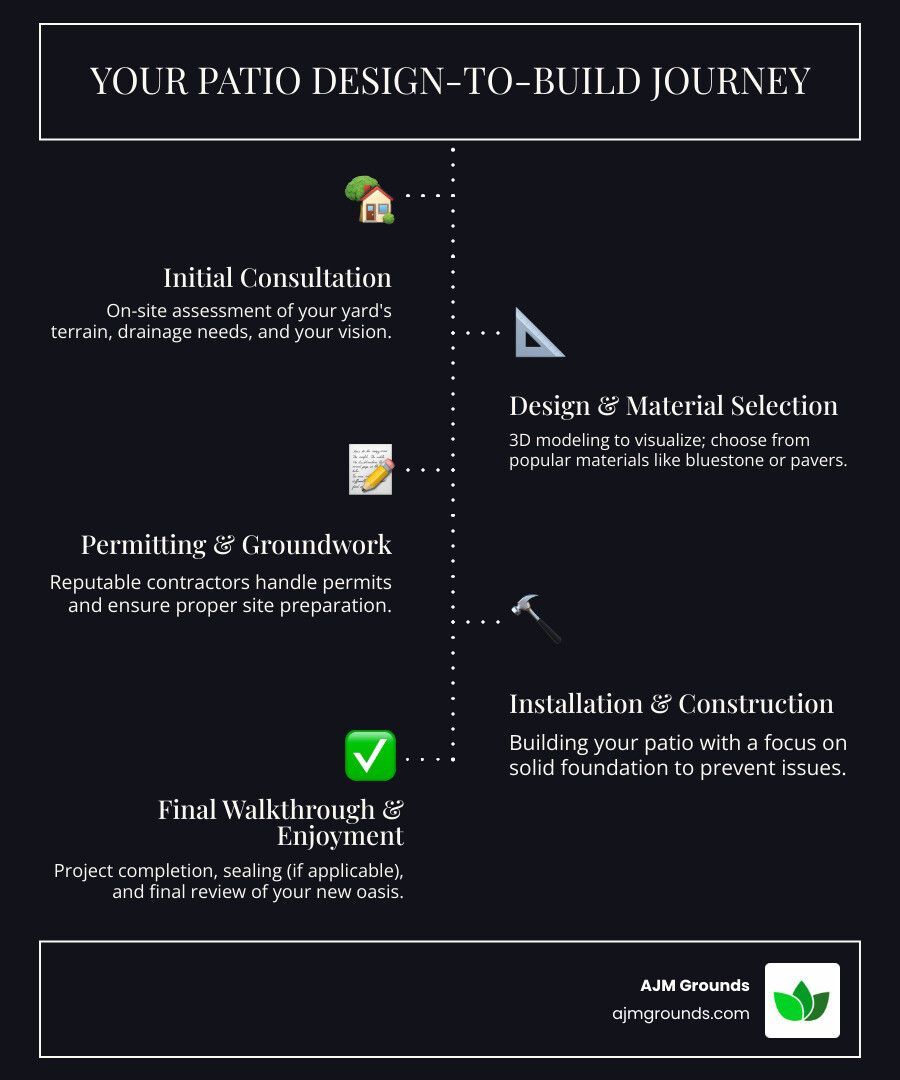
Every great patio begins with a thorough site analysis. We carefully assess your property’s drainage patterns, soil conditions, sun exposure, and existing landscape features. This detective work helps us determine the perfect location and design for your outdoor space.
“Many homeowners are surprised when we spend so much time on preparation,” says our project manager with a smile. “The truth is, what you don’t see beneath those beautiful pavers—the excavation, base materials, and drainage systems—is actually more important than the pretty stones on top.”
For Massachusetts homeowners, particularly in towns like Lexington and Winchester, permits are often required before breaking ground. This is especially true for larger projects or those near wetlands or property lines. Don’t worry—our team handles all the paperwork and meetings with local officials, ensuring your project stays compliant and on schedule.
Proper drainage might not be the most exciting topic, but it’s absolutely critical to your patio’s longevity. Without it, you could end up with pooling water, uneven settling, or worse—moisture problems affecting your home’s foundation. A professionally installed patio should have a slight slope (about 1/4 inch per foot) away from your house, along with strategically placed drainage features when needed.
For larger outdoor living spaces, we often recommend a phased approach. This allows you to spread the investment over time while still working toward a cohesive final design. We’ll create a master plan that ensures each phase functions beautifully on its own while fitting into your long-term vision.
Finding a pro for hardscape patio designs
Choosing the right contractor makes all the difference between a patio that disappoints and one that delights for decades. Here’s what to look for when evaluating professionals for your hardscape patio design:
First, check for proper certifications. Contractors with ICPI (Interlocking Concrete Pavement Institute) certification have received specialized training in paver installation techniques. Membership in professional organizations like NALP (National Association of Landscape Professionals) also indicates a commitment to industry standards.
Always ask to see a portfolio of completed projects similar to what you’re planning. An experienced hardscaper should have plenty of before-and-after photos showing changes like the one you envision. Pay special attention to details like clean edges, uniform joints, and creative solutions to challenging spaces.
“When you’re interviewing contractors,” our operations manager suggests, “ask specific questions about their process. How deep will they dig for the base? What materials will they use underneath? How will they handle drainage issues? The answers will quickly reveal their level of expertise.”
Don’t skip checking reviews and references. Talk to recent clients with similar projects, and if possible, visit a completed patio that’s a few years old. This gives you insight into how the contractor’s work holds up over time—especially important in our New England climate with its freeze-thaw cycles.
Finally, ensure your contractor knows local building codes and permit requirements. At AJM Grounds, our team is thoroughly familiar with the specific regulations in Woburn, Bedford, Billerica, Burlington, Lexington, Reading, Stoneham, Wilmington, and Winchester.
Step-by-step install of hardscape patio designs
Understanding the installation process helps you appreciate the craftsmanship in your new patio and allows you to better evaluate the work as it progresses:
The journey begins with excavation. We carefully mark out your patio’s footprint and dig down 8-12 inches, depending on your soil conditions and the type of patio being installed. This depth might seem excessive, but it’s essential for creating a stable foundation that won’t shift or settle.
Next comes the critical base preparation. We add 4-8 inches of crushed stone, compacting it in layers with a plate compactor. This methodical approach creates a solid, well-draining foundation. We then grade the base with a slight slope away from your home to ensure proper drainage.
Edge restraints are installed around the perimeter—these unsung heroes prevent your pavers from shifting over time. Depending on your design, we might use metal, plastic, or concrete edging, each with its own benefits.
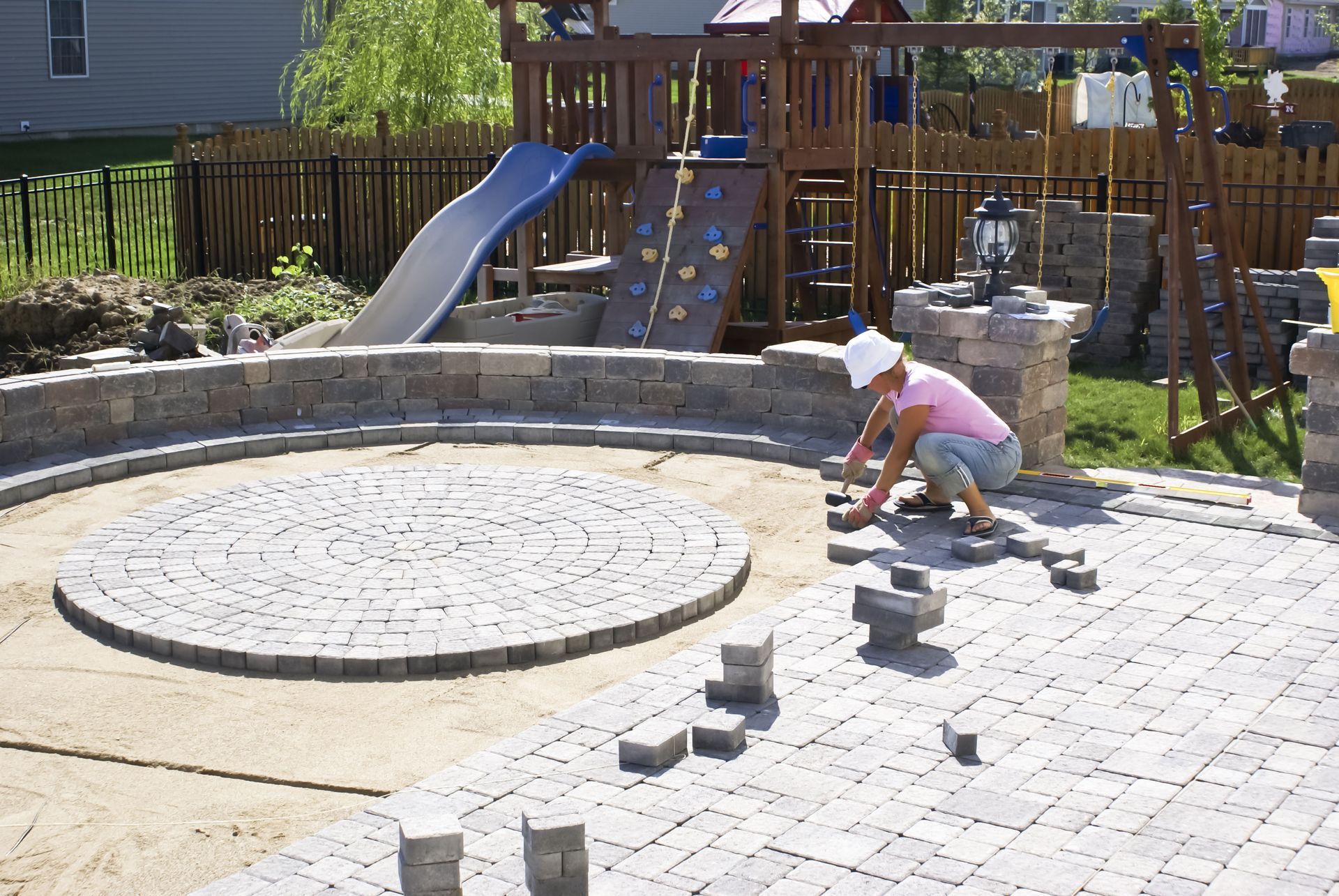
The bedding layer comes next—a thin, carefully screeded layer of coarse sand or stone dust that creates a perfectly level surface for your pavers. This seemingly small step is crucial for a smooth, trip-free surface.
Now for the visible change: paver installation. We lay your chosen materials in the desired pattern, starting from a fixed edge or corner and working outward. Precision cuts are made using a masonry saw to ensure a perfect fit around edges and obstacles.
Once all pavers are placed, we sweep joint sand into the spaces between them. For most projects in our New England climate, we recommend polymeric sand that hardens when wet, providing extra stability and weed resistance.
Finally, depending on your material choices and preferences, we may apply a sealer to improve colors, prevent staining, and increase the longevity of your investment.
“The secret to a patio that stays beautiful for decades is proper compaction,” our lead installer often tells clients. “We compact the base multiple times during installation, and then compact again after the pavers are laid. This attention to detail prevents the settling and unevenness that plague rushed installations.”
At AJM Grounds, we believe that creating outdoor spaces isn’t just about laying stone—it’s about building environments where memories will be made for years to come. That’s why we never rush the process or cut corners on materials. Your hardscape patio design deserves nothing less than our absolute best.
More info about hardscaping services
Cost, ROI & Easy Maintenance
When it comes to creating your dream outdoor space, understanding the investment is just as important as choosing the perfect design. Based on internet data (not actual costs for AJM Grounds), hardscape patio designs typically range from $12 to $40 per square foot. For those luxury installations with premium materials or complex designs, costs can reach $60 to $120 per square foot.

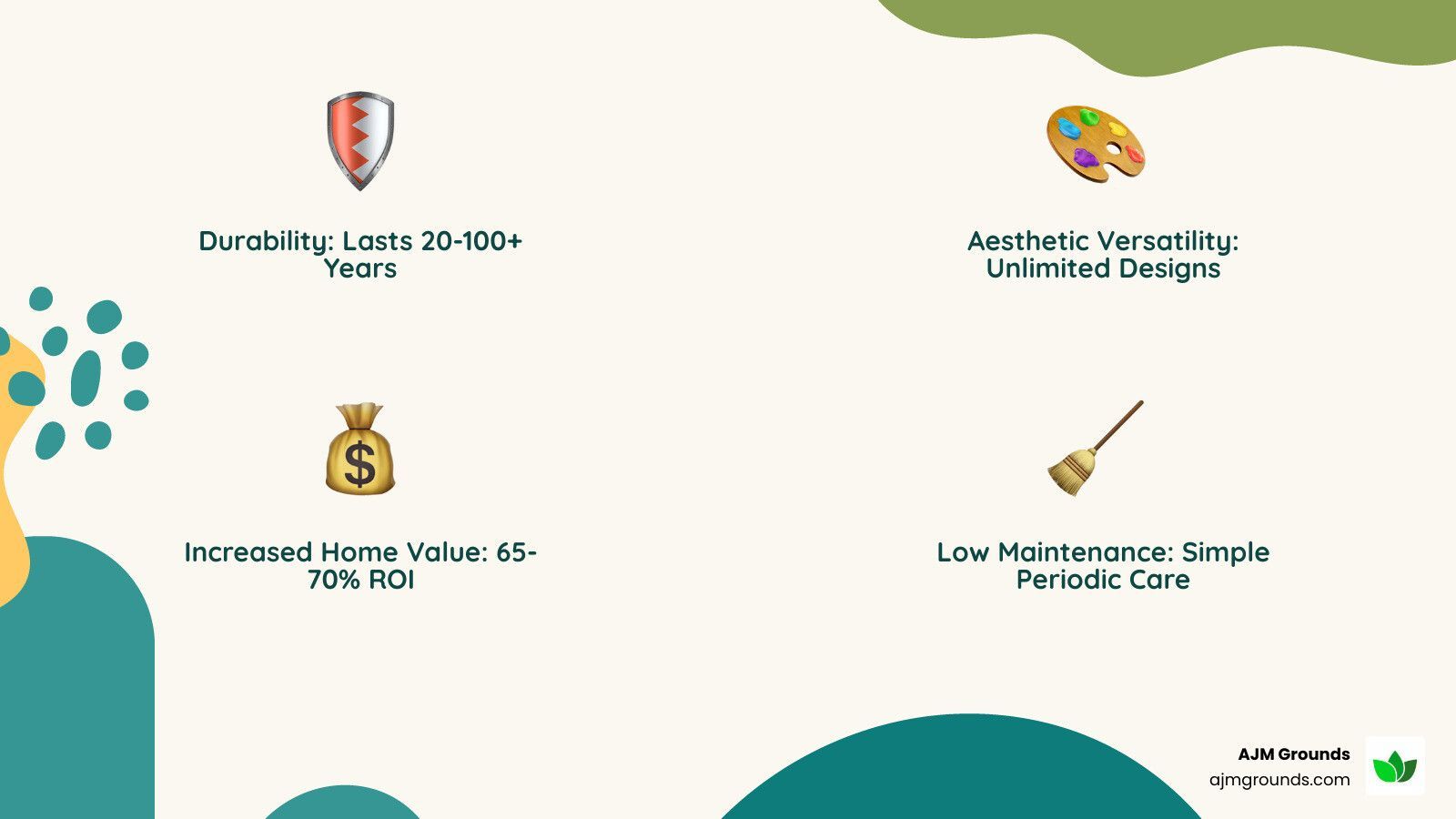
The good news? This investment pays you back in multiple ways. According to industry research, a beautifully designed hardscape patio can boost your home’s resale value by up to 12%. But the real return goes beyond dollars and cents.
“I’ve had clients in Burlington and Lexington tell me their new patio has essentially become their favorite ‘room’ in the house during New England’s gorgeous spring through fall months,” shares our customer relations manager. “When you think about how many memories you’ll create in that space over the decades—from morning coffees to family barbecues to evening gatherings under the stars—it becomes one of the most valuable investments you can make in your home.”
Unlike wooden decks that require constant staining, sealing, and eventual replacement, hardscape patio designs offer refreshingly low maintenance requirements:
- Simply sweep regularly and rinse with a garden hose to keep your patio looking fresh
- Schedule one annual power washing in spring to remove winter residue
- Refresh joint sand every 2-3 years if you notice any erosion
- Apply sealer every 3-5 years for natural stone or concrete pavers (porcelain pavers never need sealing)
Long-term savings of hardscape patio designs
While the upfront cost of a hardscape patio might be higher than some alternatives, the long-term math heavily favors these durable installations.
Think of it this way: the paver patio we installed for a Winchester family ten years ago looks virtually identical to the day we completed it. Meanwhile, their neighbor has already replaced their wooden deck once and is planning another replacement next year. Quality hardscape patio designs typically last 25-50 years with minimal maintenance, compared to wooden decks that often need complete rebuilding every 10-12 years.
This durability is particularly valuable in our challenging New England climate. The freeze-thaw cycles that wreak havoc on lesser materials barely affect properly installed hardscapes. And if damage ever does occur—perhaps from a fallen tree branch or an unfortunate accident—we can simply replace individual pavers rather than reconstructing the entire space.
“One of my favorite client stories comes from Lexington,” our sales consultant tells me with a smile. “They replaced their constantly rotting wooden deck with a beautiful natural stone patio back in 2002. Twenty years later, that patio still looks amazing with nothing more than basic cleaning and occasional joint sand refreshing. That’s the kind of investment that truly pays for itself.”
Seasonal care for hardscape patio designs
While your hardscape patio designs won’t demand much of your time, a little seasonal attention helps maintain their beauty year-round:
Spring care begins with clearing away winter debris and giving the surface a good power washing to remove any salt residue or grime. This is also the perfect time to check for any frost heave or joint sand loss, making minor repairs before they become bigger issues. If your patio needs sealing, spring is ideal—just be sure to check the weather forecast for a few dry days.
Summer care is mostly about enjoying your space! Just be mindful to clean up spills promptly, especially around grills and dining areas. An occasional rinse helps remove pollen and dust, keeping your patio fresh for those perfect summer evenings.
Fall care focuses on keeping leaves from accumulating, as they can become slippery and sometimes cause staining. It’s also smart to clean and store patio furniture before winter arrives, preventing potential stains from metal furniture legs or cushions.
Winter care requires a bit more attention in our Woburn climate. “I always recommend calcium magnesium acetate as the safest ice melter,” advises our maintenance specialist. “It works down to zero degrees while being gentle on both your pavers and surrounding plants. And please—use plastic snow shovels rather than metal ones, which can scratch or chip your beautiful hardscape surfaces.”
With minimal care, your hardscape patio will remain a beautiful, functional extension of your home through all four seasons, providing decades of enjoyment with significantly less maintenance than other outdoor living options. That’s why we at AJM Grounds believe hardscape patio designs offer not just beauty and functionality, but also exceptional long-term value.
Frequently Asked Questions about Hardscape Patio Designs
How long does installation usually take?
One of the most common questions I hear from homeowners in Woburn and surrounding towns is about timing. While every project is unique, I can give you a realistic picture of what to expect for a typical residential patio installation.
For a standard 300-500 square foot patio, the complete process usually unfolds like this:
First, we spend 1-2 weeks on design and planning – getting your vision just right on paper. If permits are needed (which varies by town), that might add another 1-4 weeks, though we handle all that paperwork for you. The actual construction typically follows this rhythm: 1-2 days for site prep and excavation, 1-2 days for base installation and compaction, 2-4 days for laying the pavers or stone, and a final 1-2 days for finishing touches like joint sand and sealing.
“We always build some flexibility into our schedules to account for New England weather,” explains our project coordinator with a smile. “Rain delays are inevitable in Massachusetts, but we structure our process to minimize their impact on completion timelines.”
For more elaborate projects featuring outdoor kitchens, fire features, or multi-level designs, installation might extend to 2-3 weeks or longer. At AJM Grounds, we pride ourselves on providing detailed timelines during the proposal stage and keeping you updated throughout the process – no surprises!
Are hardscape patios slippery when wet?
This question comes up frequently, especially from clients in Reading and Stoneham who plan to enjoy their patios year-round through our sometimes challenging New England weather. The short answer is: it depends on what materials you choose.
Textured materials like flagstone, textured concrete pavers, or brick naturally provide better traction when wet. On the flip side, smooth-finished materials such as polished granite or certain porcelain tiles can become slicker during rainy weather. The finish treatment also plays a crucial role – a honed finish generally offers more grip than a polished one when moisture is present.
I recently worked with a family in Winchester who wanted a sleek, modern look for their patio but were concerned about their elderly parents visiting. We recommended a textured porcelain paver that maintained the contemporary aesthetic they wanted while providing the slip resistance their family needed. It’s all about finding that perfect balance.
“Safety is always a priority in our designs,” our safety coordinator often reminds clients. “For pool surrounds or areas that are frequently wet, we recommend materials specifically rated for slip resistance. For other areas, we can help you balance aesthetic preferences with practical safety considerations.”
If slipperiness concerns you, we can suggest specific materials with improved traction or apply anti-slip treatments to certain surfaces after installation – giving you both beauty and peace of mind.
Can I add onto an existing hardscape later?
Absolutely! This is actually one of the biggest advantages of hardscape patio designs using modular systems like pavers and natural stone. With proper planning, your outdoor space can evolve over time as your needs (and budget) change.
Many of our clients in Lexington and Winchester implement their dream outdoor spaces in phases over several years. A recent client in Burlington started with a simple paver patio, then added a fire pit the following year, and finally completed their vision with a built-in outdoor kitchen two years later. The finished space looks completely cohesive, as though it was all installed at once.
“We always recommend thinking about potential future phases even when designing the initial installation,” explains our lead designer. “This might mean installing slightly deeper base materials in areas where heavier features might be added later, or positioning utilities like gas and electrical lines to accommodate future amenities.”
The secret to successful expansion is material matching. If you’re planning to grow your patio eventually, we suggest purchasing extra pavers or stones from your original batch to store for later use. Colors and textures can vary slightly between manufacturing runs, even with the same product. Alternatively, we can design intentional transitions between different materials or patterns that make future additions look deliberate rather than mismatched.
At AJM Grounds, we maintain detailed records of all materials used in your project, making it easier to match or complement them years down the road when you’re ready for the next phase of your outdoor living dream.
Conclusion
Creating your dream outdoor space isn’t just about adding value to your property—it’s about enhancing your everyday life. Hardscape patio designs have transformed dramatically over the years, evolving from basic concrete slabs into stunning outdoor sanctuaries that truly extend your living space beyond four walls.
Whether you’re drawn to the sleek sophistication of contemporary pavers, the rustic charm of natural flagstone, or the environmental benefits of permeable systems, today’s hardscape options offer endless possibilities to match your personal style, practical needs, and budget constraints.
Here at AJM Grounds, we take immense pride in bringing these possibilities to life for our neighbors throughout Woburn, Bedford, Billerica, Burlington, Lexington, Reading, Stoneham, Wilmington, and Winchester. What makes our approach special isn’t just the quality materials or expert installation—though those are certainly important—it’s our genuine commitment to understanding what makes your outdoor vision unique.
“Our most successful projects always begin with listening,” shares John Caplis, owner of AJM Grounds. “Every property has its own character, every home its own style, and every family its own way of enjoying outdoor living. Our job is to bring those elements together in a design that feels both fresh and timeless.”
We believe that attention to detail makes all the difference in hardscape patio designs. It’s why we take the time to understand not just what you want your patio to look like, but how you plan to use it, how it should connect with your home’s architecture, and how it can be designed to withstand New England’s challenging seasons while requiring minimal maintenance.
Many of our clients begin with a vision but aren’t quite sure how to bring it to life. That’s where our design expertise comes in. We’ll walk your property together, discuss possibilities, and create a custom plan that maximizes your space while respecting your budget. And because we handle every aspect of the project—from initial design to final cleanup—you’ll enjoy a smooth, stress-free experience from start to finish.
Ready to transform your outdoor space with a hardscape patio design that’s as functional as it is beautiful? We’d love to help. Contact AJM Grounds today to schedule your personal consultation, and take the first step toward creating the outdoor oasis you’ve always imagined. Our friendly team is standing by, ready to bring your vision to life with the craftsmanship and care that have made us a trusted name throughout the Woburn area.
More info about hardscaping services