

Changing Your Property with Professional Walkway Installation
If you’re looking for walkway paver contractors, here’s what you need to know:
- Cost Range: $10-$30 per square foot installed, depending on materials and complexity
- Timeline: Most professional installations take 1-2 days (vs. 40-50 hours for DIY)
- ROI: Paver walkways typically provide a 65-70% return on investment
- Contractor Checklist: Look for licenses, insurance, ICPI certification, and written estimates
- Materials: Options include concrete pavers, natural stone, clay brick, and permeable systems
A well-designed paver walkway does more than connect points on your property—it improves curb appeal, improves safety, and creates visual flow between outdoor spaces. Walkway paver contractors are specialized professionals who handle everything from initial design to final installation, ensuring your pathway is both beautiful and built to last.
Professional installation guarantees proper drainage, precise cuts, and structural integrity that can extend your walkway’s lifespan from 20 to 100 years, depending on materials and maintenance. While DIY may seem appealing, the expertise, specialized equipment, and time savings that come with hiring professionals often justify the investment.
I’m John Caplis, owner of AJM Grounds LLC, and I’ve worked with countless homeowners to design and install custom paver walkways that transform their outdoor spaces. Having partnered with top walkway paver contractors throughout Massachusetts, I understand the critical details that separate exceptional installations from merely adequate ones.
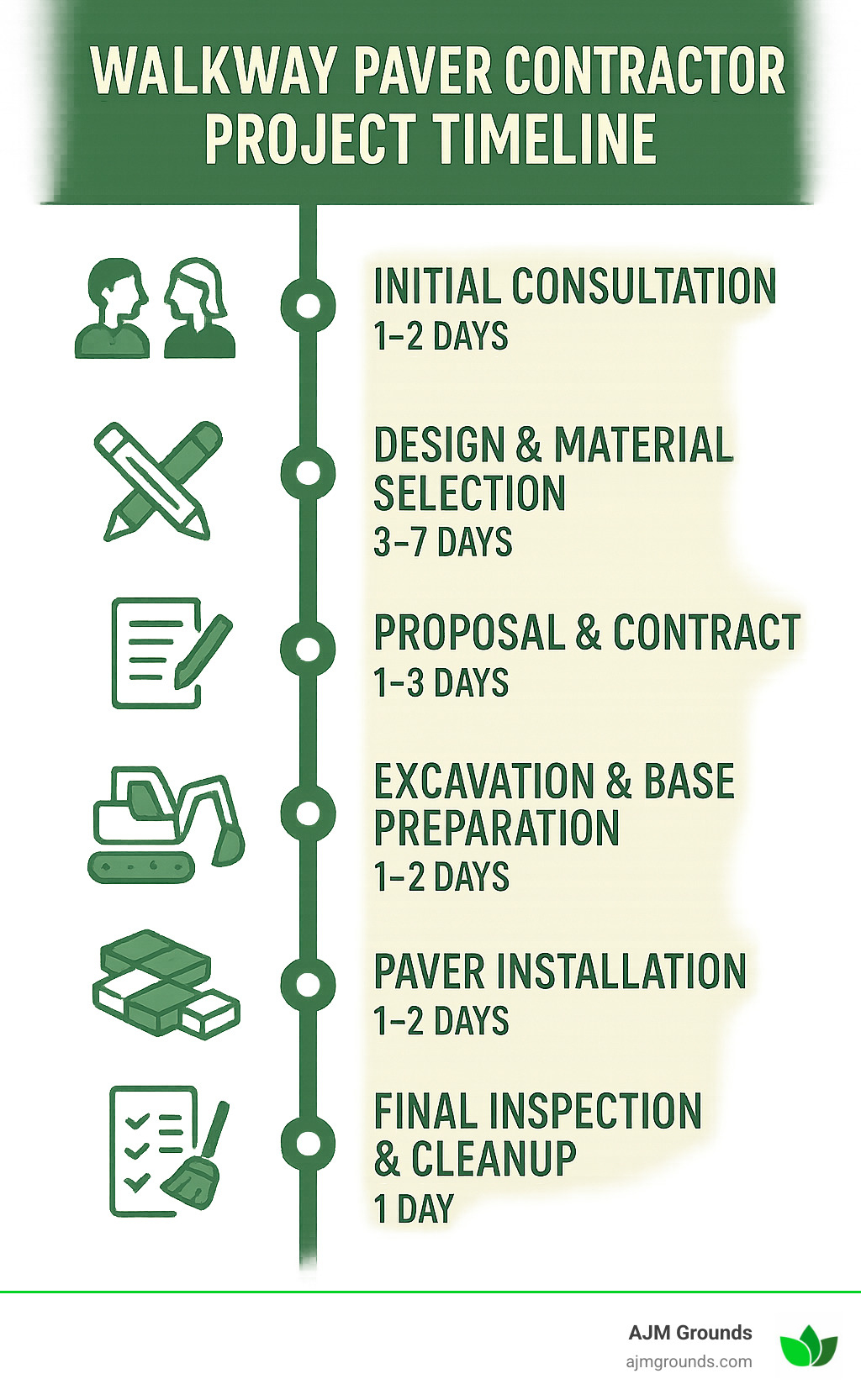
Walkway paver contractors vocab explained:
– installing a brick paver walkway
– dry laid flagstone walkway
– patio installation company
Walkway Paver Contractors 101: Services, Materials & Process
When you hire professional walkway paver contractors, you’re not just paying for labor—you’re investing in expertise that transforms your outdoor space. The journey to a beautiful walkway is a thoughtful process that begins long before the first paver is laid.
Everything starts with a thorough site assessment. A good contractor will walk your property, studying the land’s natural flow, soil conditions, and how your home sits on the landscape. They’re looking for potential challenges like poor drainage or unstable soil that could affect your walkway’s performance years down the road.
The design consultation comes next, and this is where the magic happens. Your ideas and preferences meet professional know-how, creating a walkway that’s both beautiful and practical. You’ll discuss width, layout, and design elements that complement your home’s character rather than compete with it.
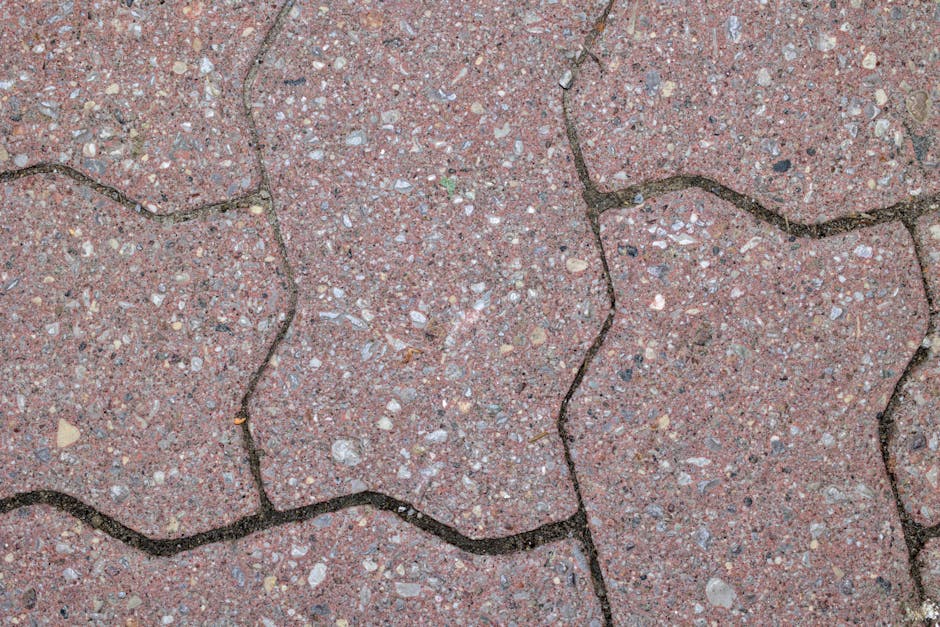
Proper preparation sets the foundation for success. Your contractor will handle excavation (typically 6-10 inches deep), ensuring proper drainage with a slight grade—usually about ¼-inch drop per foot away from your home. This seemingly small detail prevents water pooling and extends your walkway’s life significantly.
Base preparation is critical and often overlooked in DIY projects. Professional walkway paver contractors use crushed stone or gravel, compacted to create a solid foundation that prevents future settling. They’ll also install proper edging to keep pavers from shifting outward over time—a common failure point in amateur installations.
Core Services Offered by Walkway Paver Contractors
The best walkway paver contractors offer comprehensive services that take your project from concept to completion. This typically includes demolition of existing structures, sub-base compaction for stability, precision cutting and laying of pavers in your chosen pattern, joint sand application to lock everything in place, and optional sealing to improve color and durability.
When it comes to materials, you have wonderful options to consider:
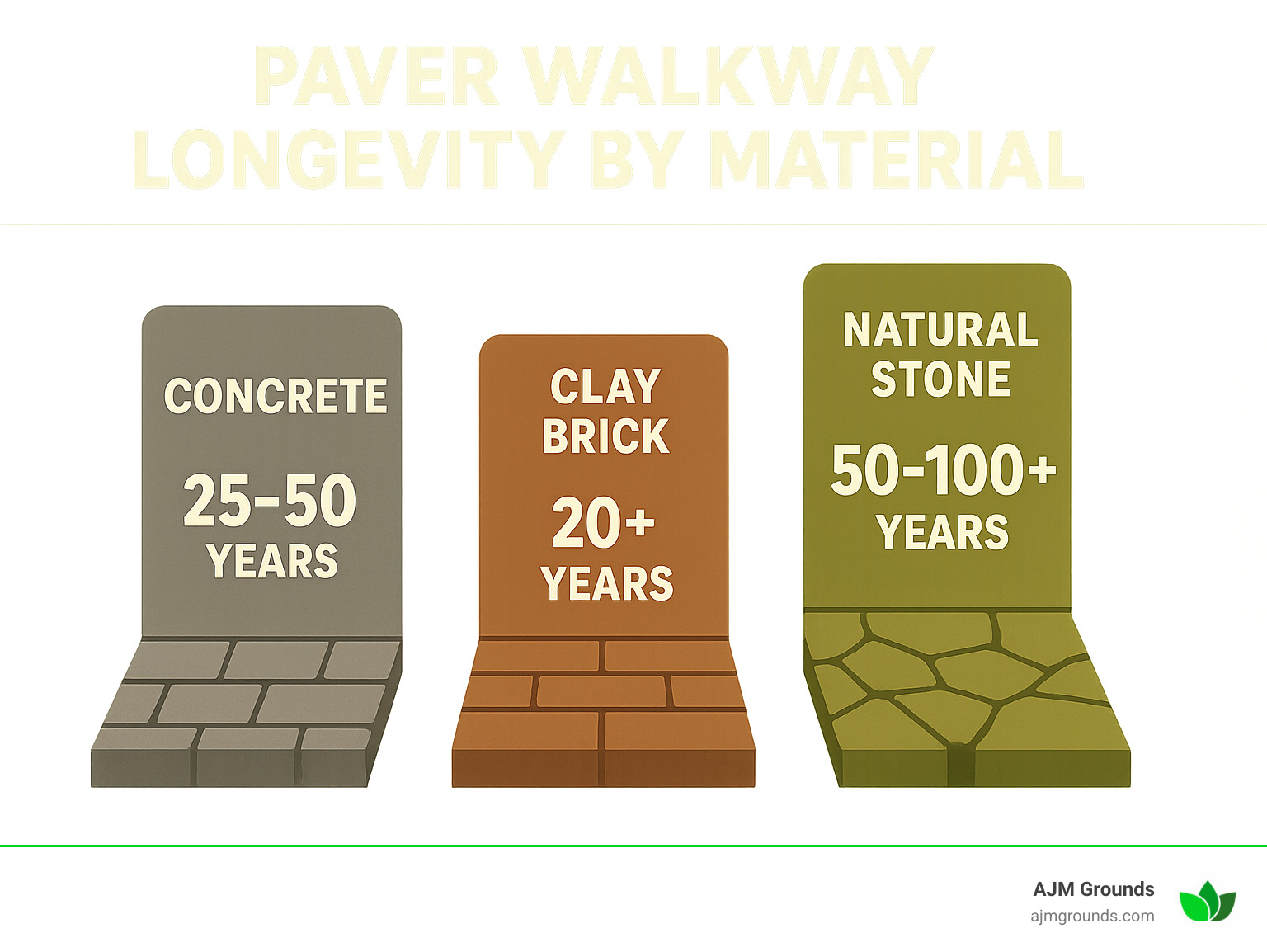
Concrete pavers offer tremendous versatility and value. They come in countless shapes, colors, and textures, with average costs ranging from $10-30 per square foot installed. They’re durable too, typically lasting 25-50 years with proper installation and maintenance.
Clay brick pavers bring timeless charm and natural color variation to your landscape. While slightly more expensive (typically $15-45 per square foot installed), their warm tones and classic appeal make them worth considering. They age beautifully, developing character over their 20+ year lifespan.
Natural stone pavers like flagstone, bluestone, and granite represent the premium end of the spectrum. Nothing matches their unique beauty and extraordinary longevity—many stone walkways last 50-100+ years. This quality comes at a price, with installed costs typically between $16-75 per square foot depending on stone type and complexity.
For environmentally conscious homeowners, permeable paver systems offer a forward-thinking solution. These specialized pavers allow rainwater to filter through rather than run off, reducing puddles and helping replenish groundwater. They’re particularly valuable in areas with drainage concerns or strict environmental regulations.
Pattern selection adds another dimension to your walkway. Traditional running bond patterns (like a standard brick wall) offer timeless simplicity, while herringbone arrangements create visual interest and exceptional structural stability. Custom borders can frame your walkway, creating definition and polish.
Of course, all installations must comply with local permit codes, which professional contractors steer daily. At AJM Grounds, we have extensive experience installing a walkway using all these materials throughout Bedford, Billerica, Burlington, Lexington, Reading, Stoneham, Wilmington, Winchester, and Woburn, MA.
The difference between a walkway that impresses for decades and one that disappoints after a single season often comes down to the invisible details beneath the surface—details that professional walkway paver contractors understand through years of hands-on experience.
Budget, ROI & Why Pros Beat DIY
Let’s talk money – the part that makes most homeowners’ palms sweat when considering a new walkway. Professional walkway paver contractors typically charge between $10-$30 per square foot installed. This range isn’t just random pricing – it reflects real differences in:
Materials (concrete pavers won’t break the bank, while those gorgeous natural stone options might require a slightly deeper dive into your savings), design complexity (straight paths are simpler than winding masterpieces), and site challenges (like fixing drainage issues or correcting slopes). Your location and the finishing touches you choose also impact the bottom line.
For perspective, if you’re dreaming of a standard 4-foot wide, 20-foot long walkway (80 square feet), your investment might look like:
- Economy option: $800-$2,400
- Mid-range option: $1,600-$4,800
- Premium option: $2,400-$7,200
These are average costs based on internet data and not actual costs for AJM Grounds.
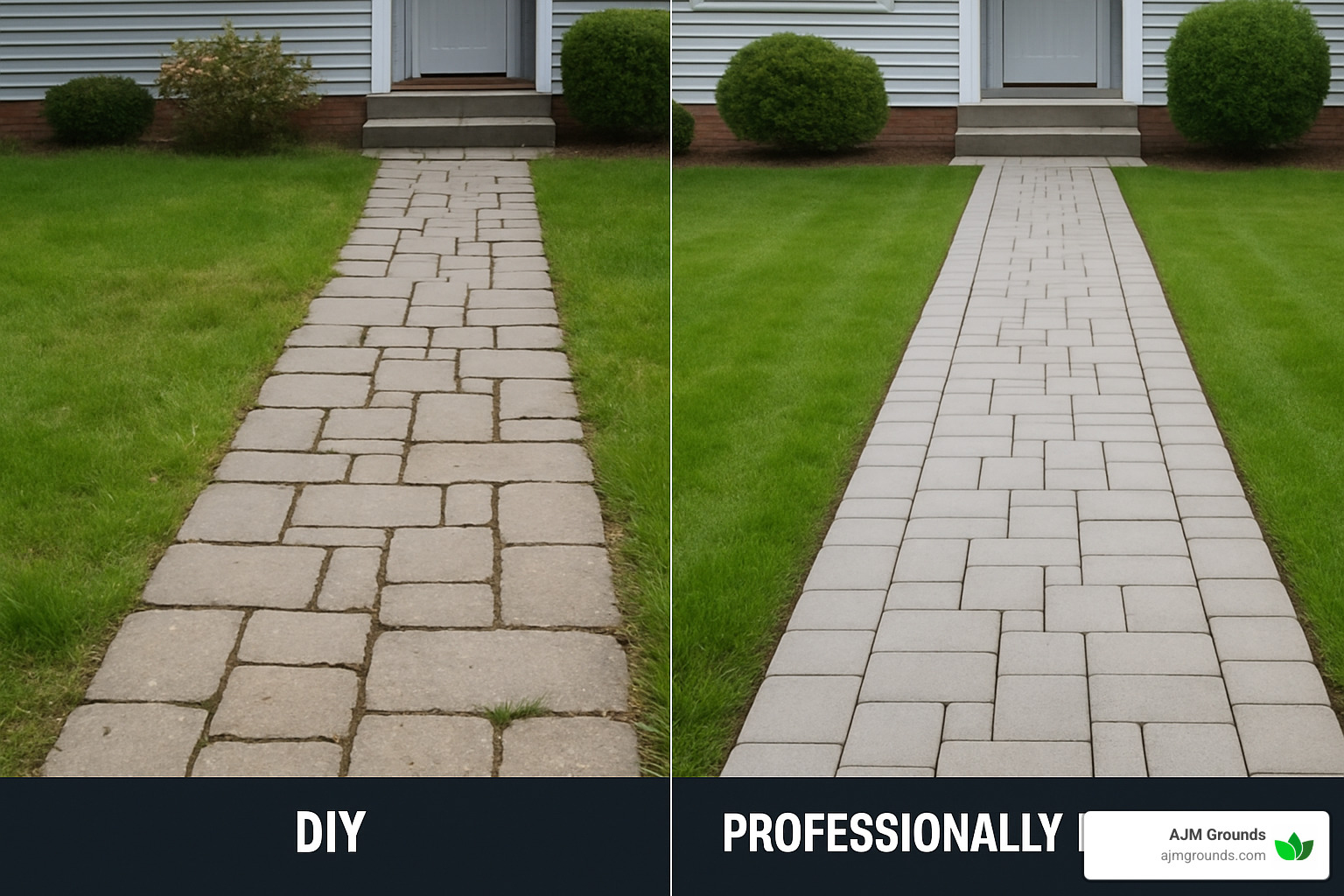
The good news? Your investment doesn’t just disappear into the ground. According to industry data, paver walkways typically recoup 65-70% of their cost in added home value. But the returns go beyond dollars and cents. A professionally installed walkway delivers daily dividends: improved curb appeal that makes your neighbors do a double-take, improved safety for your family and guests, beautifully defined outdoor spaces, and significantly less maintenance than gravel or wood chip alternatives that need constant refreshing.
DIY vs. Professional Installation: The Real Comparison
I get it – the DIY route is tempting. You watch a few videos, think “I could do that,” and start calculating the savings. But before you rent that plate compactor, consider the full picture:
| Factor | DIY Installation | Professional Installation |
|---|---|---|
| Material Cost | $5-$15 per sq ft | $10-$30 per sq ft (installed) |
| Time Investment | 40-50 hours for average project | 1-2 days |
| Equipment Needed | Rental costs for plate compactor, saw, etc. ($200-$500) | Included |
| Expertise | Learning curve, potential for errors | Years of experience |
| Warranty | None | Typically 2+ years on workmanship |
| Longevity | Often compromised by installation errors | 20-100 years depending on materials |
| Drainage | Often problematic in DIY installations | Properly engineered |
The DIY challenge isn’t just about sweat equity. Proper base preparation requires specialized equipment that’s expensive to rent and tricky to master. Precision cutting around obstacles demands specialized wet saws that most homeowners don’t have in their garage. Creating proper drainage slopes is a technical skill that takes years to perfect – even small errors can lead to big puddles or erosion issues. And those edge restraints that keep everything in place? They’re often overlooked in DIY projects, leading to shifting pavers within months.
We’ve seen the aftermath of DIY attempts: water pooling after every rain, pavers that sink or shift because the base wasn’t properly compacted, uneven surfaces creating trip hazards, and weeds popping up between pavers because the joint sand wasn’t correctly applied. These issues aren’t just aesthetically disappointing – they can compromise safety and require costly fixes down the road.
For more insights on professional installation approaches, check out our detailed guide on installing a brick paver walkway. If you’re interested in the science behind paver longevity, the Interlocking Concrete Pavement Institute offers fascinating scientific research on paver longevity that explains why properly installed pavers can last generations.
Choosing & Verifying Your Walkway Paver Contractor
Finding the right walkway paver contractor feels a bit like dating – you want someone reliable, skilled, and who understands your vision. At AJM Grounds, we’ve been on both sides of this relationship, and we know just how important this choice is for your project’s success.
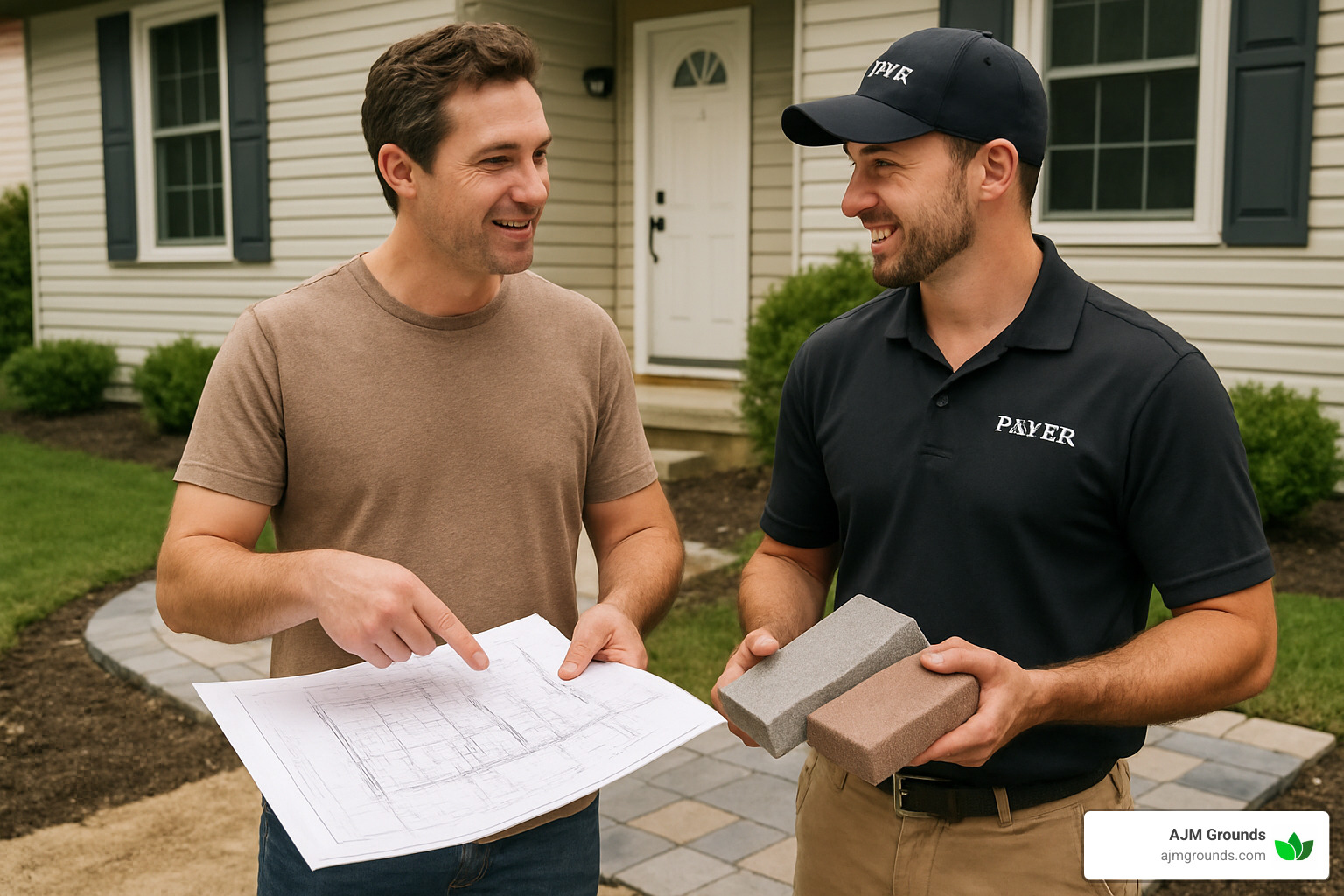
Before you sign on the dotted line, take time to verify some essential qualifications. First, ensure they have proper licensing and insurance – specifically a business license, general liability insurance (at least $1 million coverage), and workers’ compensation. Don’t be shy about asking for copies of these certificates. This paperwork protects you from liability if anything goes sideways during your project.
Look for contractors with ICPI certification (that’s the Interlocking Concrete Pavement Institute). While not every great contractor has this credential, it shows a commitment to industry standards and specialized training in paver installation techniques.
Any reputable walkway paver contractor should happily share their portfolio and local references. Pay special attention to projects completed 2+ years ago – they’ll show how well the work holds up over time. Before-and-after photos are particularly telling, as they showcase the change the contractor can create.
When reviewing written estimates, the details matter. Professional estimates should clearly outline specific materials (including brand names), labor costs by project phase, a realistic timeline, and a reasonable payment schedule. Be wary of anyone demanding full payment upfront – that’s a red flag waving in the breeze!
Warranty information deserves your attention too. Quality contractors stand behind their work with material warranties (often transferable from manufacturers) and workmanship guarantees (typically 2+ years). Make sure these terms are clearly documented in writing.
For more guidance on finding quality professionals in your area, check out our guide to walkway contractors near me or explore our comprehensive hardscaping services.
Questions to Ask Walkway Paver Contractors
The interview process with potential contractors reveals volumes about their expertise and reliability. Start by asking about their specific experience with walkways – look for at least 3-5 years of focused experience, not just general landscaping work.
Ask who’ll handle permits if needed (pros should steer this for you) and probe their process for ensuring proper drainage. Listen for specifics like a ¼-inch per foot slope away from structures and sub-surface drainage solutions – vague answers suggest limited expertise.
Clarify who’ll actually be doing the installation work. Will it be their own crew or subcontractors? Who supervises? Understanding their team structure helps set expectations.
Technical questions about edge restraints and base preparation separate the pros from the amateurs. Professional-grade edging is non-negotiable for long-term stability, and detailed answers about excavation depth, gravel type, and compaction methods signal experience.
Don’t forget to ask about their problem-resolution process, project timeline, and cleanup procedures. And always, always get warranty terms in writing for both materials and workmanship.
Red Flags When Hiring Walkway Paver Contractors
Trust your instincts when interviewing walkway paver contractors. Be wary if they can’t provide proof of insurance or proper licensing – this isn’t just paperwork, it’s your protection.
Vague or verbal-only pricing should raise eyebrows. Professional contractors provide detailed written estimates because they understand exactly what the job entails.
High-pressure sales tactics are another warning sign. Quality contractors know their work speaks for itself and won’t rush your decision. Similarly, requests for large upfront deposits (more than 30%) might indicate cash flow problems.
Pay attention to communication styles. If they’re hard to reach during the estimate phase, imagine the frustration during your actual project. And a contractor without references or a portfolio is like a chef without a menu – what exactly are they serving?
Be suspicious of significantly lower bids. When one estimate is substantially below others, corners are likely being cut somewhere – maybe in material quality, maybe in preparation work. Quality installation isn’t where you want to bargain hunt.
Finally, insist on clear contract terms with every detail documented. At AJM Grounds, we believe transparency builds trust, which is why we provide comprehensive documentation and detailed planning for every walkway project we undertake in Woburn and surrounding Massachusetts communities.
Maintenance, Warranties & FAQs
A professionally installed paver walkway isn’t just beautiful on day one—it’s an investment that can improve your home for decades to come. With the right care and understanding of your warranty coverage, your pathway will continue to impress long after installation day.
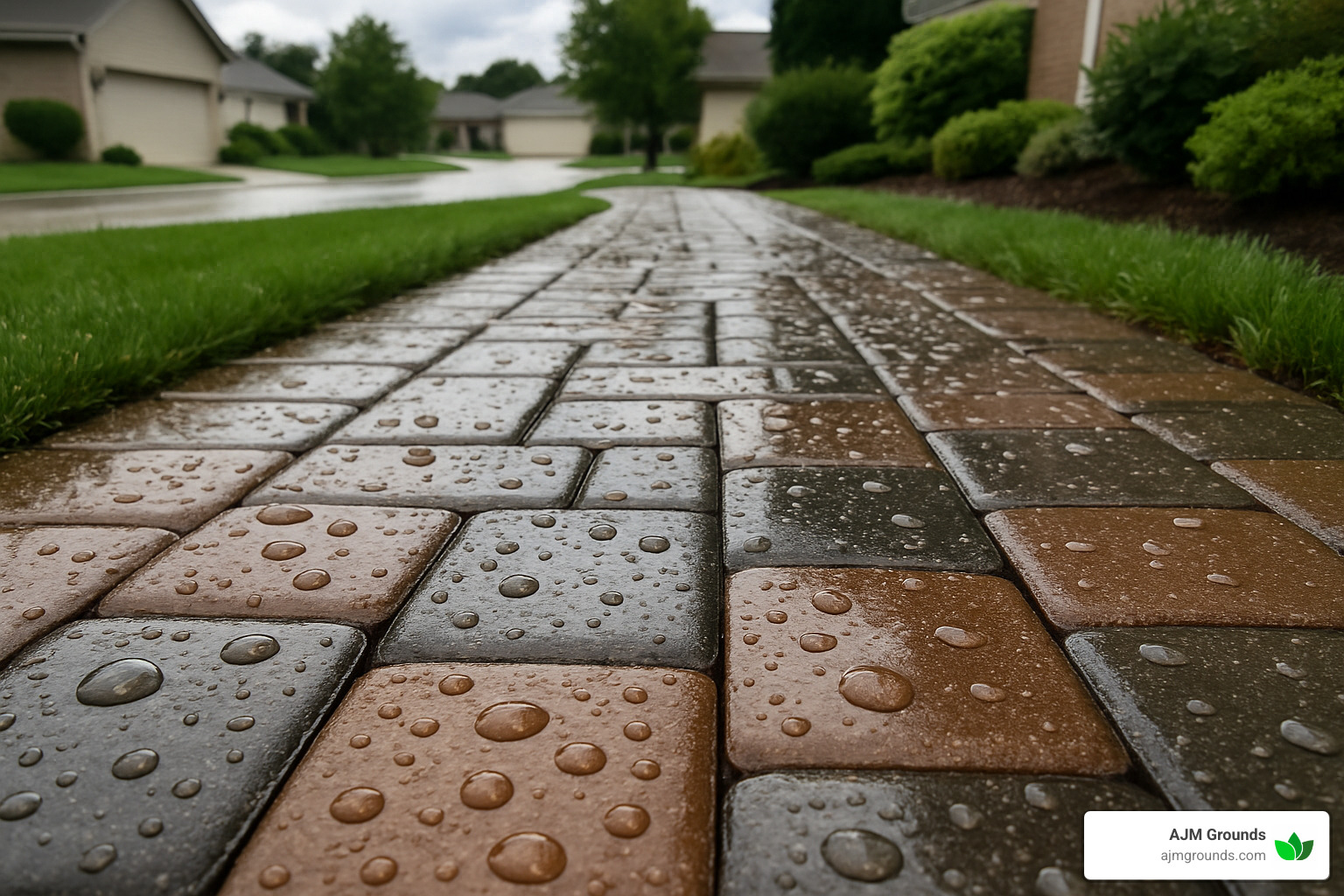
Think of your paver walkway like a fine car—regular maintenance keeps it looking showroom-new. Start with simple sweeping to remove leaves and debris, and give it an occasional rinse with your garden hose. For deeper cleaning, a mild soap solution and soft-bristled brush will do wonders without damaging the surface. Those wire brushes in your garage? Save them for another project—they’re too harsh for your pavers.
Each spring, take a few minutes to inspect your walkway. Look for any pavers that might have shifted during winter’s freeze-thaw cycles, check for weeds trying to establish themselves between joints, and ensure your edge restraints are still doing their job. This quick annual check-up can prevent small issues from becoming costly problems.
Every few years, your walkway might need a little extra attention. The polymeric sand between pavers can erode over time, especially after heavy rains or pressure washing. Rejuvenating these joints every 3-5 years keeps everything locked tightly in place and discourages those persistent weeds. If your pavers were sealed initially, a fresh application in this same timeframe will maintain their rich color and stain resistance.
When winter arrives, treat your walkway gently. Calcium-based ice melters are much kinder to pavers than traditional rock salt, which can cause surface damage over time. And reach for that plastic snow shovel instead of metal—your pavers will thank you for avoiding those unsightly scratches.
Understanding Paver Warranties
When you work with professional walkway paver contractors, you’ll typically receive two types of protection for your investment.
First, there’s the material warranty from the manufacturer. Companies like Unilock often provide transferable lifetime guarantees covering structural integrity, resistance to cracking, and reasonable color fastness. Just remember that these warranties don’t cover normal wear and tear or damage from improper maintenance—so keep those maintenance records!
The second layer of protection comes from your installation contractor in the form of a workmanship warranty. This typically covers installation defects, excessive settling, drainage issues, and edge restraint failure. The industry standard hovers around 2-3 years, though some premium contractors extend this coverage.
Always get these warranties in writing before your project begins, and make sure you understand exactly how to file a claim if needed. A reputable contractor will happily walk you through these details.
For more inspiration on integrating pavers into your broader landscape design, our article on The Art of Hardscaping offers beautiful examples and expert tips.
Eco-Friendly Options
If environmental concerns are close to your heart, consider discussing permeable paver systems with your contractor. These innovative options allow rainwater to filter naturally through to the soil rather than contributing to stormwater runoff—a win for both your property and the planet.
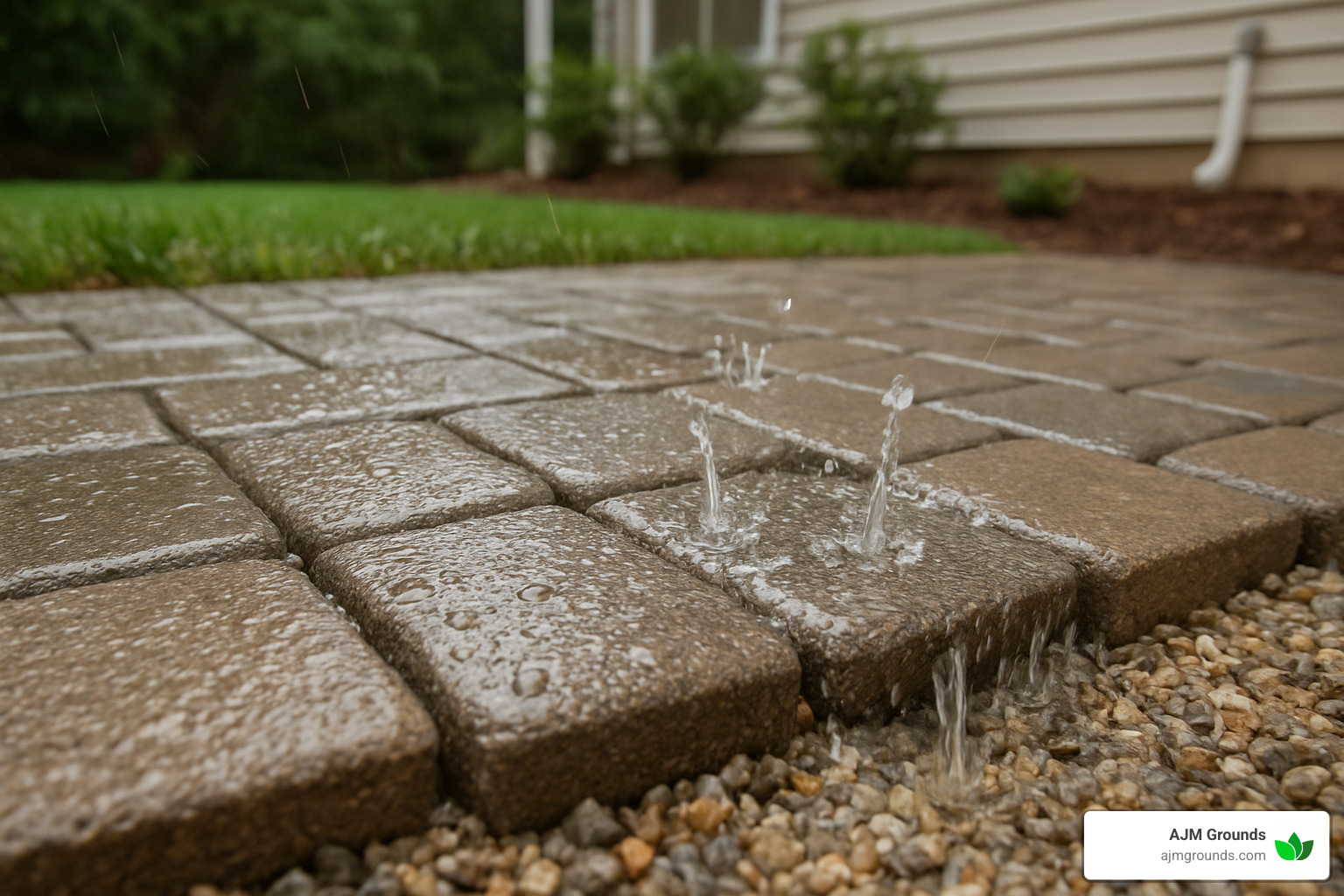
Beyond their environmental benefits, permeable systems offer practical advantages by reducing puddles and ice formation—particularly valuable in our New England climate. They can help replenish groundwater, may qualify for LEED points in green building projects, and often comply with increasingly strict local stormwater regulations.
While typically 15-25% more expensive than traditional pavers, the long-term benefits often justify the investment, especially in areas prone to drainage issues. Your contractor can help you weigh these considerations against your specific property needs and budget.
Frequently Asked Questions about Walkway Paver Contractors
How much does a paver walkway cost?
When budgeting for your paver walkway, expect to invest between $10-$30 per square foot for professional installation. This wide range reflects several factors that influence your final price tag.
Material choice plays a major role, with concrete pavers offering the most budget-friendly option at $10-$17 per square foot, while natural stone creates a premium look at $16-$50 per square foot. Design complexity also impacts cost—straight pathways require less cutting and fitting than curved or patterned designs.
For perspective, a standard 4-foot wide, 30-foot long walkway (120 square feet) might cost:
* Basic installation: $1,200-$3,600
* Mid-range installation: $2,400-$7,200
* Premium installation: $3,600-$10,800
These are average costs based on internet data and not actual costs for AJM Grounds.
While the initial investment might seem substantial, paver walkways typically return 65-70% in added home value—not to mention the daily enjoyment and curb appeal they provide.
How long does installation take?
One of the advantages of hiring professional walkway paver contractors is their efficiency. Most standard residential walkways can be completed in just 1-2 days, a timeline that would stretch into weeks for most DIY enthusiasts.
The installation typically follows a logical progression: Day 1 focuses on site preparation, excavation, and base installation, while Day 2 brings the visible change with paver laying, cutting, edging installation, and joint sand application.
Factors that might extend this timeline include larger projects, complex designs, challenging site conditions, or unexpected weather delays. At AJM Grounds, we believe in clear communication throughout the process, providing realistic timeline expectations before we begin and keeping you informed as work progresses.
What maintenance keeps pavers looking new?
The secret to a perpetually fresh-looking paver walkway is consistent, gentle care. Regular sweeping and occasional rinsing prevent dirt buildup, while prompt attention to spills and stains prevents them from becoming permanent fixtures.
Make a habit of checking your walkway each spring for any pavers that have shifted during winter, erosion of joint sand, or edge restraints that need attention. Every few years, refresh your joint sand—especially if you notice it washing away after heavy rains.
If your pavers were sealed initially, plan for reapplication every 3-5 years to maintain that protected surface and improved color. When winter arrives, choose calcium-based ice melters instead of rock salt, and use plastic snow removal tools to prevent surface scratching.
With this straightforward maintenance routine, your investment will stand the test of time. Concrete pavers typically last 25-50 years, while natural stone can exceed a century with proper care—a testament to the enduring value of professional installation.
Conclusion
A professionally installed paver walkway transforms your property in ways that go far beyond just creating a path from point A to point B. When you partner with qualified walkway paver contractors, you’re making an investment that improves your home’s value, improves safety, and dramatically boosts curb appeal for decades to come.
Finding the right contractor might feel overwhelming at first, but the process becomes much simpler when you follow the guidelines we’ve shared:
Verify their credentials carefully—proper licensing and insurance aren’t just formalities; they protect you from liability and indicate professionalism. When possible, look for that ICPI certification, which shows specialized training in paver installation techniques. Take time to review local references and portfolios, focusing especially on projects completed years ago that have stood the test of time.
Always get detailed written estimates rather than verbal promises. Understanding warranty coverage before work begins prevents surprises later. And don’t underestimate the power of a good interview—asking thoughtful questions reveals volumes about a contractor’s expertise and reliability.
While DIY might tempt you with apparent cost savings, professional installation offers value that simply can’t be matched by weekend warriors. The proper drainage engineering, structural integrity, and precision installation that professionals provide ensure your walkway remains beautiful and functional through countless seasons.
At AJM Grounds, we bring a craftsman’s eye for detail to every walkway project in Woburn, Bedford, Billerica, Burlington, Lexington, Reading, Stoneham, Wilmington, and Winchester, MA. Our team understands New England’s unique challenges—from harsh winter freezes to summer humidity—ensuring your walkway remains stunning year after year.
Ready to transform your property with a beautiful, durable paver walkway? For more information about our professional walkway installation services, we invite you to reach out for a consultation. We’ll help you steer material choices, design options, and practical considerations to create a pathway that improves your outdoor living for years to come.
With the right walkway paver contractors by your side, your new walkway will do more than just connect spaces—it will lift your entire property and create a lasting first impression that welcomes family and guests alike.
