Finding the Right Path: Your Guide to Professional Walkway Installation
Looking for walkway contractors near me? Here’s what you need to know:
- Average cost: $3-$25 per square foot depending on materials and complexity
- Timeline: Typically 3-7 days for installation plus curing time
- How to find: Check BBB ratings, read reviews, verify licenses and insurance
- Questions to ask: Years of experience, similar projects completed, written estimates, material options
- Benefits of hiring pros: Proper drainage, code compliance, warranty coverage, professional finish
A cracked, uneven walkway doesn’t just hurt your home’s curb appeal—it creates safety hazards and potential liability issues. Walkway contractors near me can transform that eyesore into a stunning, safe pathway that improves your property’s value and functionality. Whether you’re dealing with a deteriorating concrete sidewalk or planning a brand-new stone path, professional installation ensures longevity and proper construction techniques.
Most homeowners don’t realize that walkway installation involves much more than just pouring concrete or laying pavers. Proper site preparation, drainage planning, and material selection are critical steps that professionals handle with expertise. Without these foundational elements, even the most beautiful walkway can quickly develop problems.
As a homeowner, finding qualified walkway contractors near me might seem overwhelming, but knowing what to look for makes all the difference. The right contractor will offer a detailed estimate, clear timeline, and quality materials that match both your aesthetic vision and practical needs.
I’m John Caplis, owner of AJM Grounds LLC, and I’ve helped countless homeowners throughout Woburn, Massachusetts transform their properties with professional walkway installations, giving me experience with the challenges homeowners face when searching for reliable walkway contractors near me. My team specializes in creating durable, beautiful walkways that stand the test of time while enhancing your home’s overall landscape design.
Walkway contractors near me terms to remember:
– installing a brick paver walkway
– dry laid flagstone walkway
– patio installation company
What Professional Walkway Contractors Really Do
When you search for walkway contractors near me, you might be surprised to find just how much expertise goes into creating that perfect path to your front door. There’s a whole world of skill behind those smooth, level walkways that most homeowners never see.
Professional walkway contractors don’t just pour concrete or lay pavers—they’re actually solving complex engineering challenges right in your front yard. Before the first shovel hits the dirt, they’re carefully assessing your property’s unique characteristics. They’re checking soil conditions, planning for proper water drainage, and considering how Massachusetts’ notorious freeze-thaw cycles might affect your walkway over time.
“Most homeowners are shocked when they see how much preparation goes into a quality walkway,” I often tell clients. “The part you’ll eventually see is actually just the final 20% of the work.”
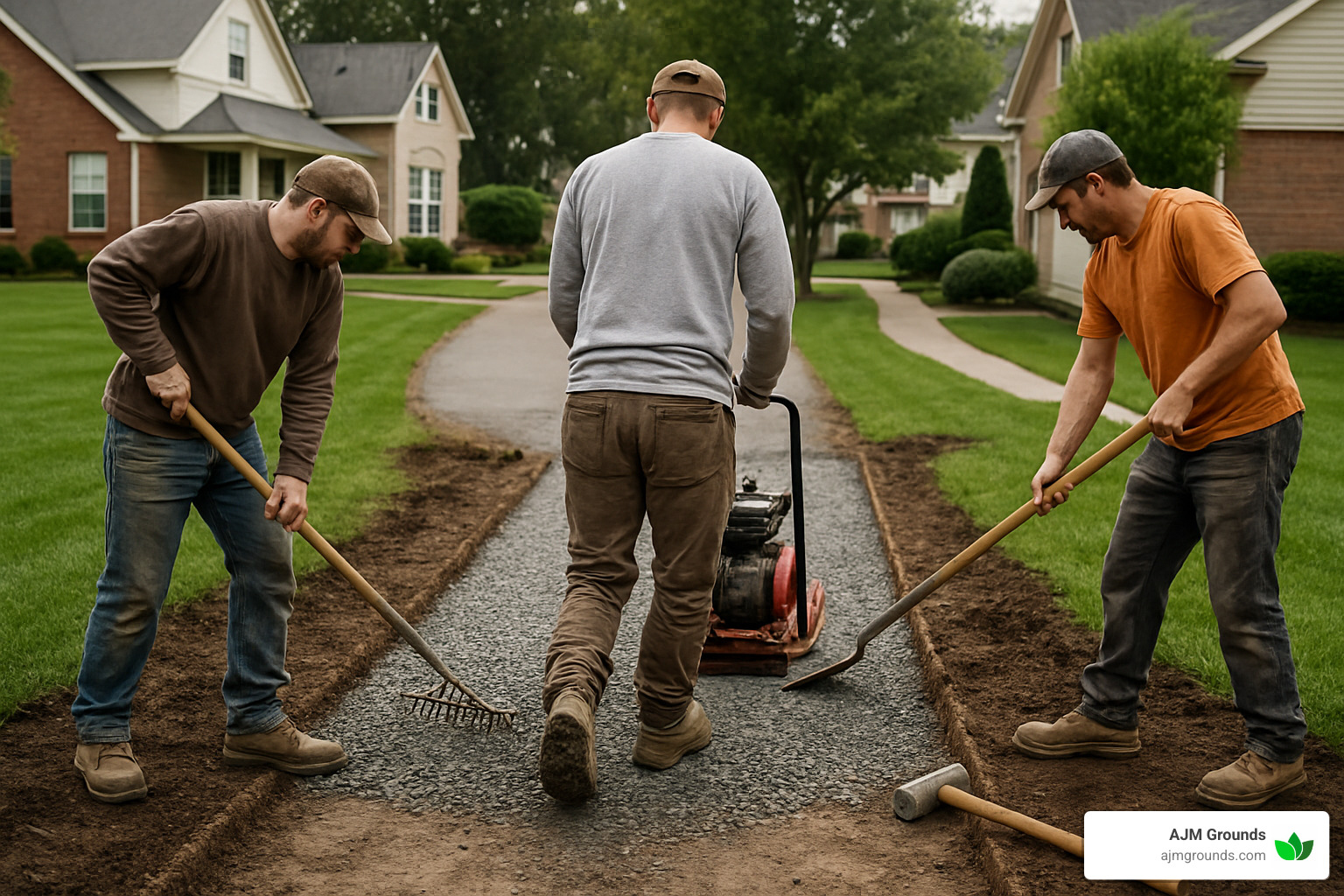
The real magic happens during site preparation and excavation. Your contractor will carefully mark the area, remove existing vegetation, and dig down 6-10 inches to create room for a proper foundation. This crucial step prevents future settling and cracking. Then comes the precision grading—creating subtle slopes that direct water away from your home while ensuring the path remains accessible and comfortable to walk on.
In snow-belt regions like ours in Woburn, walkway contractors near me must take extra precautions. We install deeper base materials (typically 4-8 inches of compacted crushed stone) that allow for proper drainage and prevent frost heave during harsh New England winters. This regional expertise is what separates true professionals from casual installers.
Expanded Menu of Services
The walkway world offers more variety than most homeowners realize. When you’re exploring options with walkway contractors near me, you’ll likely encounter these popular choices:
Concrete sidewalks remain the most common option, with their clean appearance and relatively affordable price point. Based on internet data, average costs typically range from $3-$30 per square foot depending on finish quality and complexity—not actual costs for AJM Grounds.
For homeowners seeking more character, stamped and colored concrete creates the illusion of more expensive materials while maintaining concrete’s durability. The decorative patterns and rich hues can complement your home’s architecture beautifully.
Brick pathways offer timeless appeal that works wonderfully with colonial and traditional home styles. While requiring more maintenance than concrete, their warm tones and natural variation create undeniable charm.
Natural stone walkways using materials like flagstone or bluestone provide best character. Each stone is unique, creating a one-of-a-kind pathway that ages gracefully over time.
For homeowners concerned about environmental impact, interlocking pavers offer excellent permeability, allowing rainwater to return to the ground rather than running off into storm drains.
We also handle specialized services like mudjacking (lifting sunken concrete sections without replacement) and comprehensive sealing and maintenance programs to extend your walkway’s lifespan.
Benefits Over DIY
I’ve seen plenty of DIY walkway attempts over my years in Woburn, and I’ve also repaired many of them. While the initial cost savings might be tempting, professional installation offers critical advantages:
The trip-hazard liability alone should give pause to any homeowner considering DIY. Improperly installed walkways create legitimate safety hazards—and if someone falls, your homeowner’s insurance might not cover claims if the work wasn’t professionally installed.
Professional walkway contractors near me bring specialized tools like laser levels, plate compactors, and concrete mixers that most homeowners simply don’t own. These tools aren’t just conveniences—they’re necessities for proper installation.
Perhaps most importantly, professionals conduct proper strength tests to ensure your walkway can handle both foot traffic and our challenging Massachusetts weather. We know exactly how thick to make concrete in different applications and which reinforcement methods will prevent cracking.
The warranty coverage professionals provide offers peace of mind you simply can’t get with DIY. At AJM Grounds, we stand behind our work with confidence because we know the proper techniques for creating long-term durability.
Just last month, I met with a Woburn homeowner who had attempted a DIY paver walkway. Within one winter, frost heave had created a roller-coaster effect with dangerous high spots. “I wish I’d just called you first,” she told me as we assessed the damage. “I ended up spending twice as much fixing it as I would have having it done right initially.”
When you search for walkway contractors near me, you’re not just hiring someone to create a path—you’re investing in expertise that ensures your walkway remains beautiful, functional, and safe for decades to come.
Finding Reputable Walkway Contractors Near Me

When your walkway needs attention, typing “walkway contractors near me” into a search engine is just the first step of your journey. Finding someone who’ll treat your property with care takes a bit more digging—but I promise the effort is worth it.
Start by creating a shortlist from your online search. Look beyond flashy websites to find contractors with substantial project galleries showing work similar to what you need. Pay special attention to before-and-after photos that demonstrate their problem-solving abilities, especially if your project involves tricky slopes or drainage issues.
Massachusetts has specific licensing requirements for contractors, so verify that anyone you’re considering has proper credentials. A legitimate professional should carry both liability insurance and workers’ compensation—protecting you from potential headaches if something goes wrong during your project.
Reviews tell stories that credentials can’t. When reading what others have experienced, look for comments about communication style, timeliness, and how the contractor handled unexpected challenges. Did they stick to their quoted price? Was the final result what the homeowner expected? These insights can be invaluable.
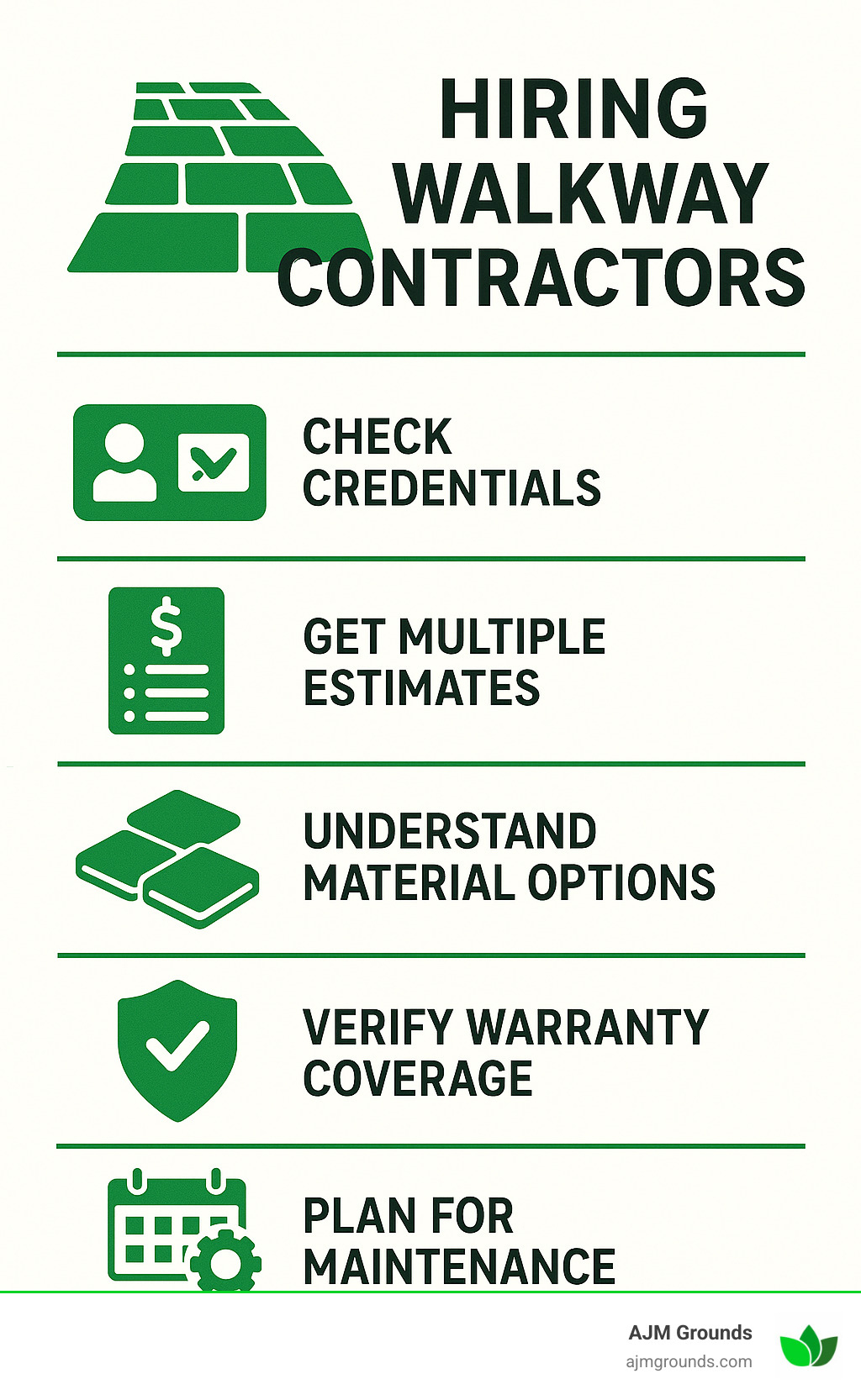
I always recommend getting at least three written estimates. This isn’t just about finding the lowest price—it’s about understanding how different professionals approach your project. Significant variations in quotes often reveal differences in material quality, preparation methods, or warranty coverage.
How to Vet “walkway contractors near me”
Once you’ve narrowed your options, it’s time for face-to-face meetings. A quality contractor should offer a free on-site consultation, taking measurements and discussing your vision before providing a detailed estimate.
During this visit, notice how attentively they listen to your ideas. Do they suggest improvements or alternatives based on their expertise? The best walkway contractors near me balance your wishes with practical construction knowledge, rather than simply agreeing to everything you request.
Ask to see a sample contract before making your decision. This document should clearly outline materials, labor costs, timeline expectations, and payment schedule. Be wary of contractors requesting large upfront payments—a reasonable deposit (typically 25-30%) is standard practice, with remaining payments tied to project milestones.
Many communities in Massachusetts require permits for walkway installation, especially for front walkways that connect to public sidewalks. A professional contractor should handle this paperwork for you, navigating local regulations and scheduling necessary inspections.
Don’t forget to check the Better Business Bureau directory for contractor ratings and complaint history. While an occasional resolved complaint isn’t necessarily a red flag, patterns of similar issues should give you pause.
10 Must-Ask Interview Questions for Walkway Contractors Near Me
When sitting down with potential contractors, these questions will help reveal their expertise and reliability:
“How long have you specialized in walkway installation?” Look for at least 5 years of specific experience with walkways—not just general construction. Experience with our New England freeze-thaw cycles is particularly valuable.
“Can you show me similar projects you’ve completed recently?” A confident contractor will happily share photos and even addresses of nearby examples (with previous clients’ permission).
“Who handles permitting and inspections?” The answer should be “we do.” Professional walkway contractors near me should manage this entire process, keeping you informed but not burdened.
“Where do you source materials, and what options do I have?” Quality contractors have established relationships with reputable suppliers and can offer various materials at different price points.
“What sub-base specifications do you recommend for my property?” Their answer should mention specific depths (usually 4-8 inches), material types, and compaction techniques—and they should explain why these choices matter for your specific situation.
“How are change orders handled if we need to adjust the plan?” Any modifications should be documented in writing with clear pricing before work proceeds.
“What’s included in your cleanup process?” They should haul away all debris and excess materials, leaving your property neater than they found it.
“What warranty coverage comes with my walkway?” Industry standard is 1-2 years for workmanship and longer for materials. Get this in writing.
“Will your own crew handle the entire project?” If they use subcontractors for certain aspects, they should be transparent about which parts and provide information about these partners.
“How will installation affect access to my home?” A thoughtful contractor will create a plan that minimizes disruption to your daily routine, especially for main entrance walkways.
At AJM Grounds, we welcome these questions because they help us understand what matters most to you. We’ve found that the most successful projects in communities like Bedford, Burlington, and Lexington begin with clear, honest communication about expectations, timeline, and budget considerations.
The lowest bid rarely equals the best value. Quality preparation work might not be visible in the finished product, but it makes all the difference in how your walkway performs through our challenging Massachusetts seasons.
Cost & Pricing Guide for Walkway Installation or Repair
Understanding what you might pay for a new walkway or repairs helps you budget realistically and evaluate contractor estimates fairly. Based on industry data (not AJM Grounds specific pricing), here’s what homeowners typically invest in various walkway services:
| Service Type | Low Range | Mid Range | High Range |
|---|---|---|---|
| Minor Repairs | $1-$3/sq ft | $3-$9/sq ft | $9-$27/sq ft |
| Resurfacing | $3-$10/sq ft | $10-$20/sq ft | $20-$60/sq ft |
| Full Replacement | $10-$25/sq ft | $25-$50/sq ft | $50-$150/sq ft |
| Decorative Concrete | $8-$20/sq ft | $20-$40/sq ft | $40-$120/sq ft |
| Natural Stone | $15-$45/sq ft | $45-$90/sq ft | $90-$270/sq ft |
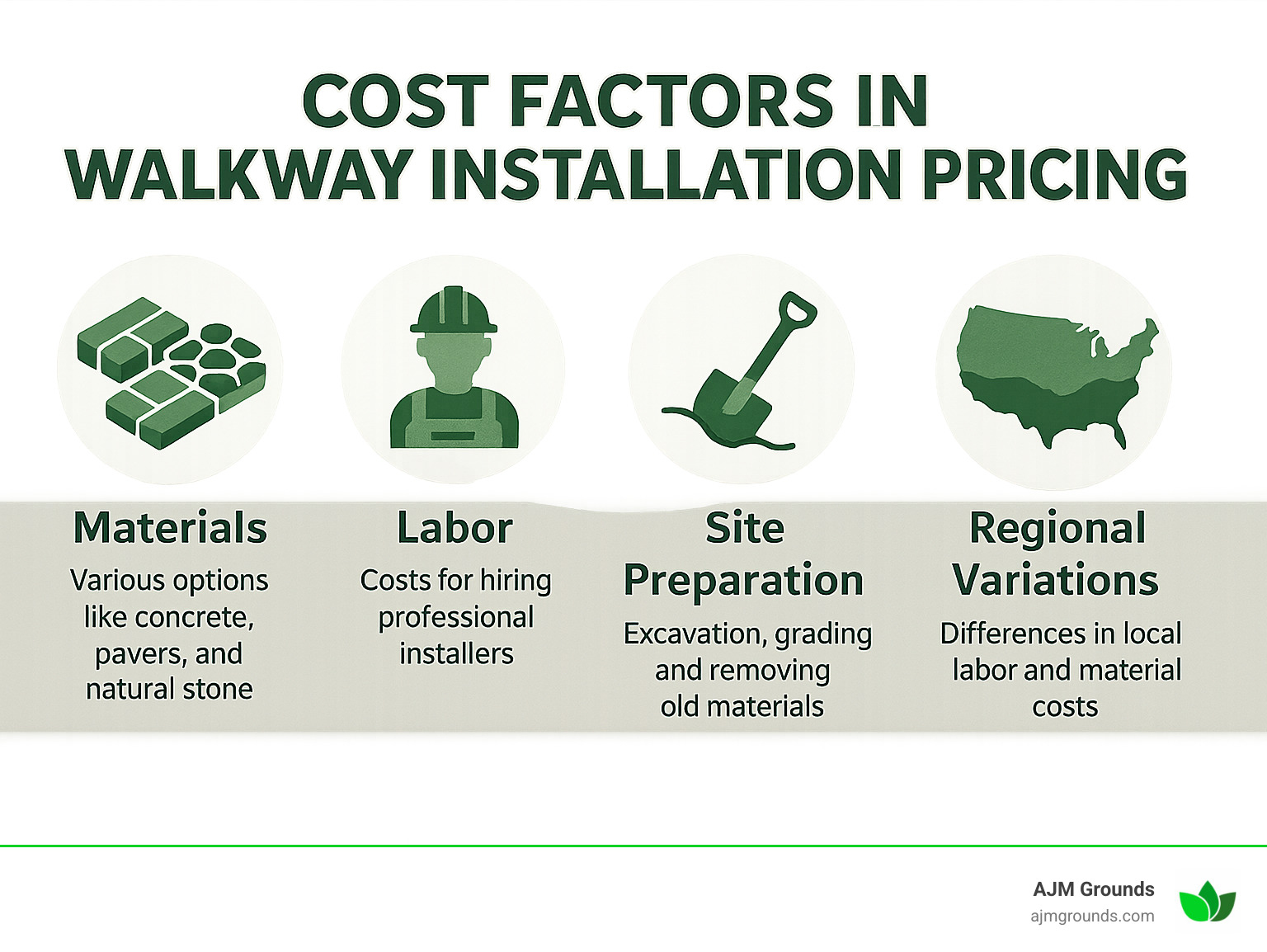
While the national average for a concrete walkway hovers around $2,750, your actual costs might look quite different. Here in the Northeast, particularly in communities like Woburn, Winchester, and Lexington, we typically see prices running higher than national averages. This isn’t surprising given our higher labor costs and the specialized installation methods needed to withstand our freeze-thaw cycles.
Factors That Move the Needle
When you’re getting estimates from walkway contractors near me, you’ll notice prices can vary significantly. Here’s why:
Your walkway’s square footage naturally affects the bottom line—more space means more materials and labor. But the choice of materials often makes the biggest difference in your final bill. Basic concrete might start around $3 per square foot, while premium bluestone could run $45 or more.
Demolition needs add another layer of cost—typically $2-$6 per square foot to remove existing walkways. If your property has limited access, contractors might need to bring materials in by hand rather than machinery, increasing labor costs substantially.
Properties with slopes and drainage issues require more complex solutions that add to both material and labor expenses. Many homeowners are surprised to learn that proper drainage often costs more than the walkway itself, but it’s absolutely essential for longevity.
Decorative elements like borders, patterns, and special finishes can transform a basic walkway into a showpiece, but they’ll increase your investment. Local permit fees typically range from $50-$300 in Massachusetts towns—a relatively small but necessary expense.
The time of year matters too. Prices often peak during spring and summer when demand is highest. Challenging soil conditions might require additional excavation and base materials, while adding reinforcement like wire mesh or rebar increases durability but also raises costs.
According to the Floor Critics cost comparison, concrete walkways remain one of the most cost-effective hardscaping options, especially when considering their decades-long lifespan and minimal maintenance needs.
Budget-Saving Tips From Pros
After years of installing walkways throughout Massachusetts, we’ve learned some insider strategies that can help homeowners save money without cutting corners on quality:
Consider bundling projects if you’re planning other hardscaping work. When contractors can tackle multiple jobs in one visit, you’ll often save on setup costs and may qualify for volume discounts on materials. Many of our Woburn clients have saved significantly by combining walkway installation with patio or driveway projects.
Off-season scheduling can work in your favor. Fall and early winter (before the ground freezes) often offer better contractor availability and potentially lower pricing. I’ve seen homeowners save 10-15% simply by planning ahead and scheduling during these quieter periods.
While decorative options catch the eye, standard finishes like broom-finished concrete can be 30-50% less expensive than stamped or exposed aggregate alternatives. They still provide excellent durability and clean aesthetics.
Local materials make a big difference too. Transportation costs for stone and aggregate add up quickly, so using materials sourced nearby can meaningfully reduce your bottom line.
Always get multiple bids from reputable walkway contractors near me. Competition helps ensure fair pricing, but remember—the lowest bid isn’t always the best value. Focus on contractors who provide detailed estimates, use quality materials, and have proven track records of successful installations.
I always tell homeowners that a well-installed walkway is an investment that pays dividends daily in both enjoyment and property value. When you balance upfront costs against decades of use, professional installation makes financial sense.
Step-by-Step Process From Estimate to Finished Pathway
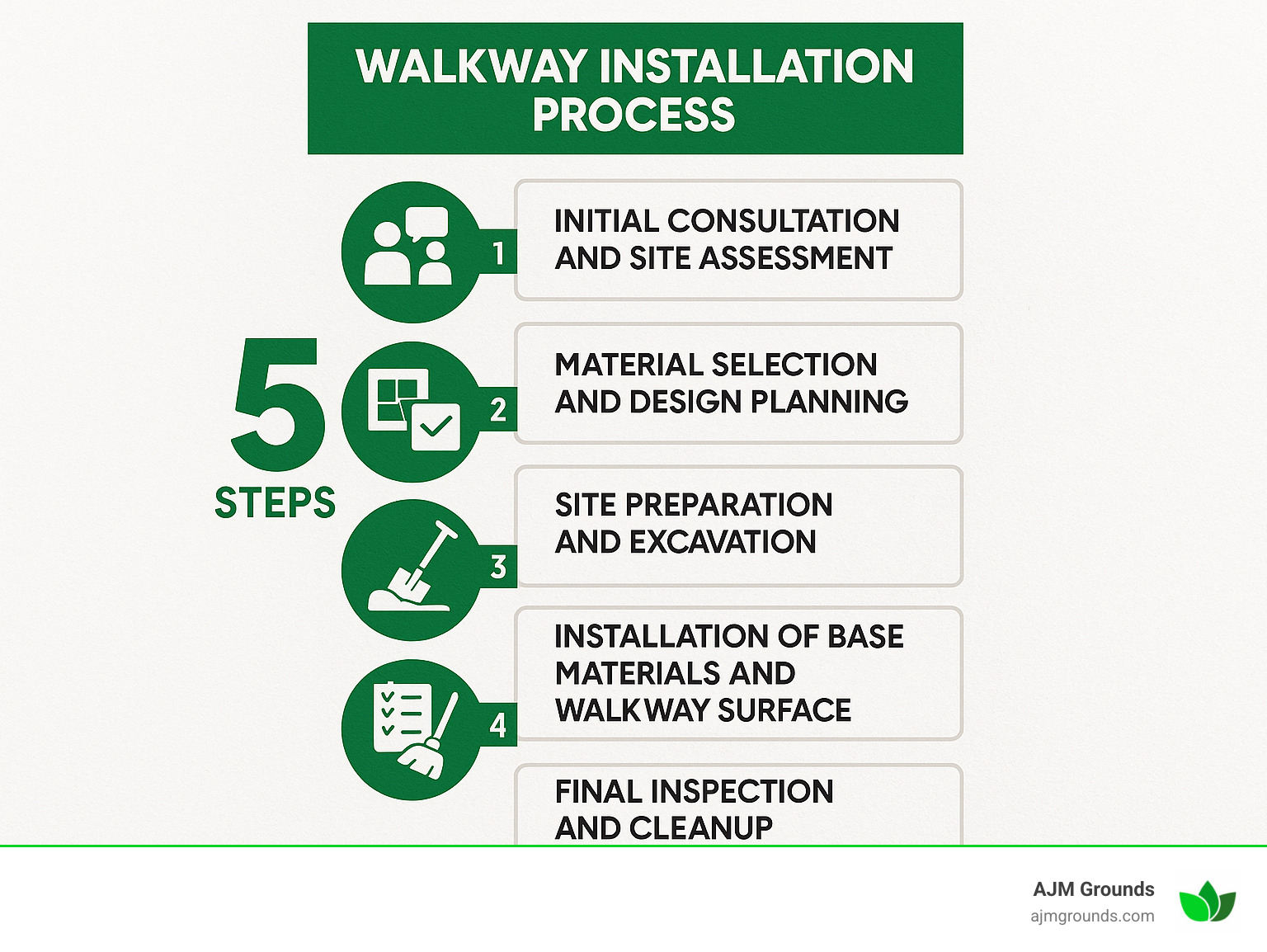
Understanding the walkway installation process helps you know what to expect when working with walkway contractors near me. Here’s the typical workflow for a professional walkway installation:
- Initial consultation and site assessment: The contractor evaluates your property, discusses your needs and preferences, and takes measurements.
- Design and proposal: You’ll receive a detailed proposal including materials, dimensions, design elements, timeline, and cost.
- Contract signing and deposit: Once you approve the proposal, you’ll sign a contract and typically pay a deposit (usually 25-33% of the total cost).
- Permitting: If required, the contractor will obtain necessary permits from your local building department.
- Utility marking: Before any digging begins, underground utilities must be marked (typically through the Dig Safe system in Massachusetts).
- Site preparation: The area is marked out, existing materials removed, and the site excavated to the proper depth.
- Base installation: Crushed stone or gravel is laid and compacted to create a stable foundation.
- Edge restraints: For paver or stone walkways, edge restraints are installed to prevent shifting.
- Material installation: Concrete is poured and finished, or pavers/stones are laid according to the design plan.
- Finishing touches: Joints are filled, surfaces sealed (if applicable), and the area is cleaned up.
- Final inspection: The contractor walks through the completed project with you to ensure satisfaction.
- Final payment: Upon approval, you’ll make the final payment according to the terms of your contract.
This process typically takes anywhere from 3-10 days for the active construction phase, depending on the size and complexity of your walkway project.
Typical Timeline & What to Expect
Here’s a more detailed breakdown of the timeline for different types of walkway projects:
- Minor repairs: 1-2 days for completion
- New concrete walkway (100 ft): 3-5 days for installation, plus 7 days before light foot traffic, and 28 days before full curing
- Paver walkway (100 ft): 3-7 days for installation, with immediate usability after completion
- Natural stone pathway: 5-10 days, depending on complexity and cutting requirements
Weather can significantly impact these timelines, especially for concrete work which requires temperatures above 40°F for proper curing. In Massachusetts, we typically schedule concrete projects between April and November to avoid freezing temperatures.
During installation, you can expect:
* Equipment and materials staged in your driveway or yard
* Limited access to the walkway area
* Some noise during working hours (typically 8am-5pm)
* Daily cleanup of the work area
* Regular communication about progress and any challenges
Permits, Codes & Who’s Responsible
Navigating permits and codes is an important aspect of walkway installation that professional walkway contractors near me should handle for you:
- Municipal sidewalk regulations: In many Massachusetts towns, public sidewalks (those between the street and your property line) fall under town jurisdiction and may require special permits for modification.
- Homeowner vs. city responsibility: Typically, homeowners are responsible for maintaining sidewalks adjacent to their property, but the municipality owns them. Private walkways on your property are entirely your responsibility.
- HOA guidelines: If you live in a neighborhood with a Homeowners Association, there may be specific requirements for walkway materials, dimensions, and aesthetics.
- ADA compliance: For commercial properties or multi-family dwellings, walkways must comply with Americans with Disabilities Act standards, including specific width and slope requirements.
- Setback requirements: Many towns have rules about how close walkways can be to property lines.
A professional contractor will be familiar with local codes and will handle the permitting process on your behalf. At AJM Grounds, we regularly work with building departments in Woburn, Burlington, Winchester, and surrounding communities, so we’re familiar with their specific requirements.
Maintenance & Longevity Hacks
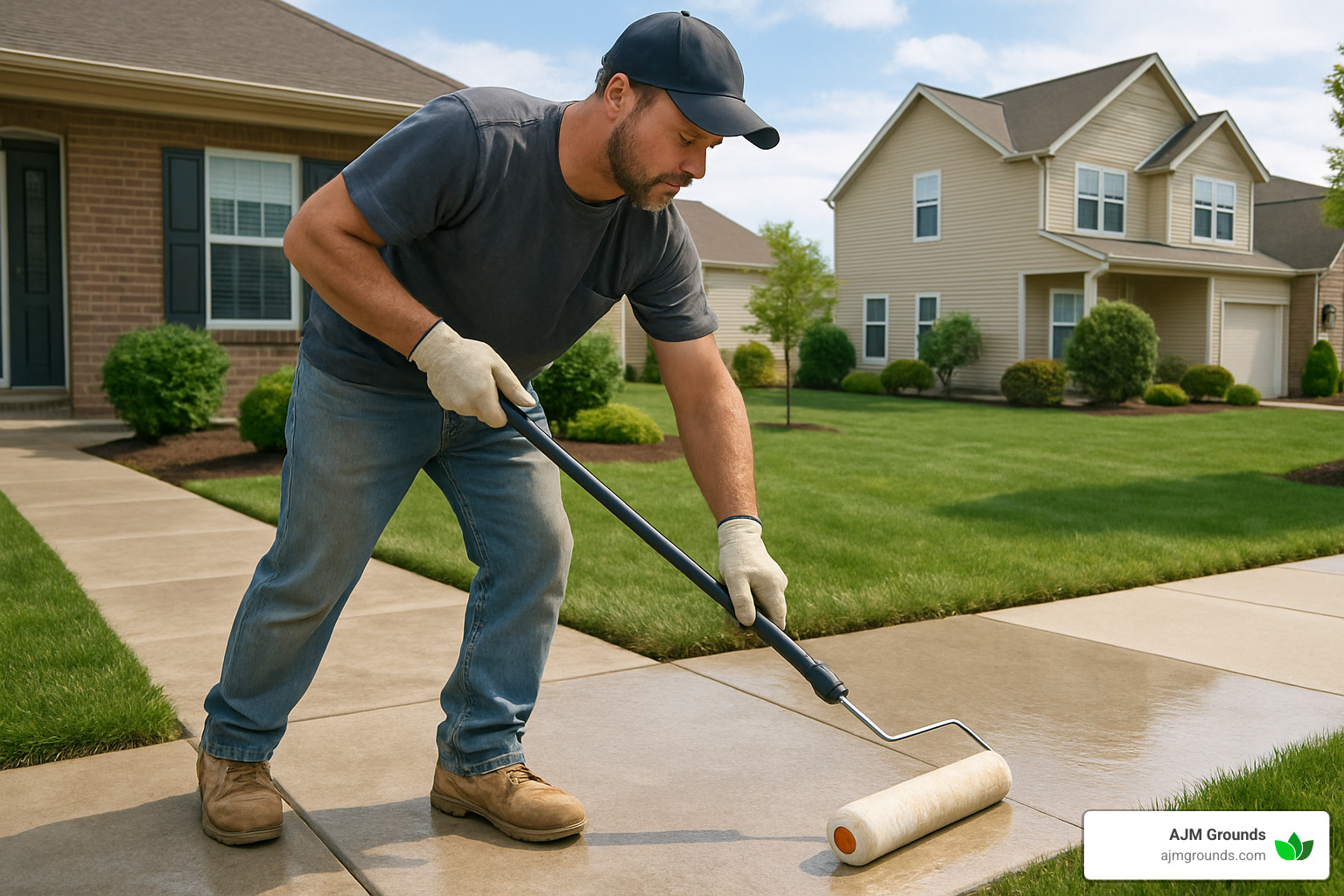
Proper maintenance is essential for maximizing the lifespan of your walkway investment. Here are our professional recommendations for keeping your walkway looking great for years to come:
- Regular cleaning: Sweep debris regularly and wash with a garden hose or gentle pressure washer annually.
- Sealing: Apply appropriate sealer every 2-3 years (more frequently in high-traffic areas or where deicing chemicals are used).
- Joint maintenance: For paver or stone walkways, replenish joint sand or polymeric sand as needed to prevent weed growth and maintain stability.
- Freeze-thaw protection: Ensure proper drainage away from your walkway to prevent water pooling and ice formation.
- Root management: Install root barriers near trees to prevent root uplift and cracking.
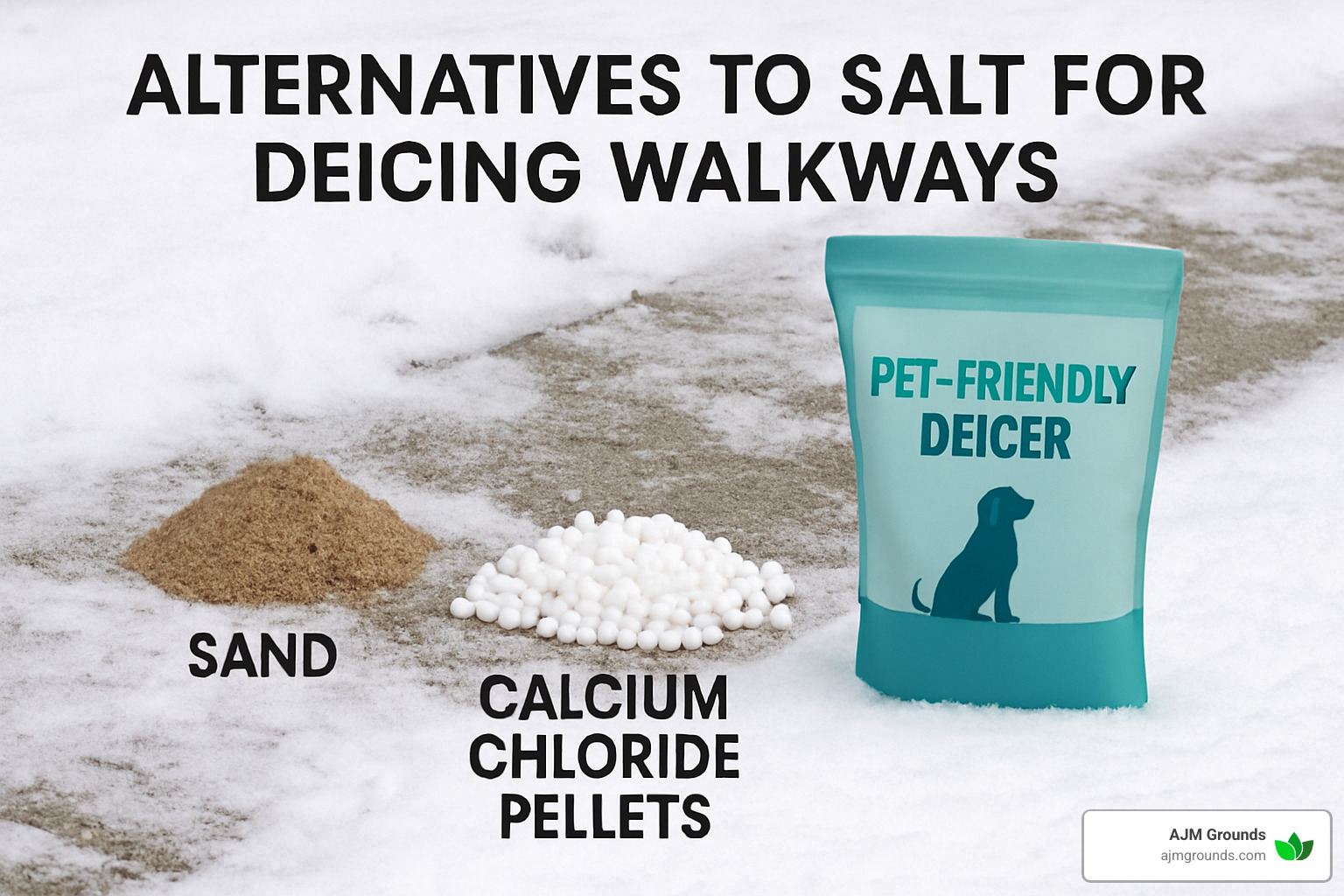
- Deicing safely: Use calcium magnesium acetate or similar products instead of rock salt, which can damage concrete and other materials.
- Crack repair: Address small cracks promptly with appropriate fillers before they expand.
By following these maintenance practices, you can extend the life of your walkway by many years. Most professionally installed walkways should last 25+ years with proper care, making them an excellent long-term investment in your property.
Common Issues That Require Repair
Being aware of common walkway problems helps you address them before they become major issues:
- Spalling: Surface flaking or peeling, often caused by freeze-thaw cycles or improper sealing.
- Heaving and settlement: Sections of walkway that rise or sink due to frost or poor base preparation.
- Root uplift: Tree roots growing under the walkway and pushing it upward.
- Scaling: Rough, flaky surface resulting from improper finishing or exposure to deicing chemicals.
- Cracking: Can range from hairline cracks (normal in concrete) to structural cracks that indicate more serious problems.
- Trip hazards: Uneven sections creating elevation differences greater than 1/4 inch.
- Discoloration: Often caused by improper sealing, water pooling, or organic growth.
If you notice any of these issues, it’s best to consult with professional walkway contractors near me to determine the appropriate repair strategy. Early intervention can often prevent more costly repairs down the road.
Material Pros & Cons Snapshot
Each walkway material has distinct advantages and considerations:
Concrete
* Pros: Durable, versatile, relatively affordable ($3-$10/sq ft), low maintenance
* Cons: Can crack over time, repairs may be visible, limited design flexibility without decorative techniques
Pavers
* Pros: Excellent freeze-thaw resistance, easy to repair individual pieces, wide variety of styles
* Cons: Higher initial cost ($10-$25/sq ft), joints may require periodic maintenance, can settle unevenly without proper base
Natural Stone
* Pros: Unique appearance, extremely durable, highest-end aesthetic
* Cons: Most expensive option ($15-$45/sq ft), can be slippery when wet, irregular pieces require skilled installation
Brick
* Pros: Classic appearance, good durability, moderate cost ($10-$30/sq ft)
* Cons: Can chip or crack in freeze-thaw cycles, may grow moss in shady areas, limited color options
Permeable Options
* Pros: Environmentally friendly, reduces runoff, may qualify for rebates in some municipalities
* Cons: Higher installation cost, requires specific maintenance, not ideal for all soil types
In the Woburn area, we find that concrete and pavers are the most popular choices due to their durability in our New England climate and reasonable cost-to-benefit ratio.
Frequently Asked Questions about Walkway Contractors Near Me
What warranty should I expect?
When investing in a new walkway, understanding warranty coverage is essential for protecting your investment. Most reputable walkway contractors near me offer tiered warranty protection:
For labor, expect coverage of 1-2 years on workmanship, which addresses any issues that might arise from installation techniques or errors. Material warranties are typically much longer, often 25+ years from manufacturers for quality concrete, pavers, and natural stone products.
Be aware that most warranties come with reasonable exclusions. These typically include damage from improper maintenance (like using the wrong deicing products), extreme weather events beyond normal seasonal conditions, or damage caused by tree root intrusion. Always ask for warranty details in writing before signing any contract.
Are concrete walkways cheaper than pavers?
Yes, concrete walkways are generally more budget-friendly than paver options. Based on industry averages (not AJM Grounds specific pricing), standard concrete walkways typically run $3-$10 per square foot installed, while decorative concrete with stamping or coloring ranges from $8-$20 per square foot. Paver walkways usually start around $10-$25 per square foot installed, with premium options potentially reaching $75 per square foot.
While the upfront cost difference is significant, consider the long-term value proposition before making your decision. Concrete offers lower initial investment, but pavers provide distinct advantages like easier spot repairs (replacing individual pieces rather than entire sections) and greater design flexibility with patterns and colors. Your choice ultimately depends on balancing your immediate budget constraints with aesthetic preferences and long-term property plans.
How often should I reseal my walkway?
Proper sealing extends your walkway’s life, but timing varies based on materials and local conditions. For walkway contractors near me in the Northeast, we recommend:
Concrete walkways benefit from resealing every 2-3 years under normal conditions. However, in areas with heavy freeze-thaw cycles or where deicing chemicals are frequently used (like most Massachusetts properties), annual inspection and possible resealing is wise.
Paver walkways typically need resealing every 3-5 years with standard products, while premium sealers might protect for 7-10 years before needing refreshing.
Natural stone varies significantly by type – dense stones like granite rarely need sealing, while more porous options like sandstone benefit from treatment every 2-3 years.
You’ll know it’s time to reseal when you notice water absorbing into the surface rather than beading up, colors appearing faded, or surfaces staining more easily than when new.
How do I choose between different walkway materials?
Selecting the right walkway material can feel overwhelming, but considering these key factors will guide your decision:
Budget reality should be your starting point – be honest about what you can invest in both materials and professional installation. Your home’s architectural style matters too; traditional homes often pair beautifully with brick or bluestone, while contemporary designs might suit sleek concrete or modern pavers.
Consider your maintenance preferences carefully. Some materials require more regular attention than others. In Massachusetts, climate resilience is non-negotiable – any material must withstand our freeze-thaw cycles without premature deterioration.
Think about how you’ll use the walkway as well. High-traffic paths to your front door need more durability than decorative garden paths. Finally, factor in your long-term property plans – if you’re selling soon, neutral, buyer-friendly choices might take precedence over personal preferences.
Professional walkway contractors near me can show you material samples and portfolio images that help visualize how different options would look specifically on your property.
Who is responsible for public sidewalk repairs?
Sidewalk responsibility can be confusing and varies by municipality. In most Massachusetts towns, the division works like this:
For public sidewalks (those between the street and your property line), the town typically maintains legal ownership, but homeowners often bear responsibility for maintenance, including snow removal and basic repairs. Some communities have specific ordinances requiring property owners to fix cracked or heaving sidewalks adjacent to their land.
Private walkways located entirely on your property are completely the homeowner’s responsibility in all cases.
I recommend checking with your local public works department for specific regulations in your town. Some forward-thinking municipalities offer cost-sharing programs for sidewalk repairs, while others place full financial responsibility on property owners. Understanding these rules before problems arise saves headaches and potential liability issues down the road.
Conclusion

A professionally installed walkway does far more than improve your home’s visual appeal—it creates a welcoming path that serves your family and guests while boosting your property’s value. When you find qualified walkway contractors near me, you’re investing in expertise that ensures your pathway will stand up to Massachusetts’ challenging seasons while looking beautiful for years to come.
The journey from cracked, uneven surfaces to a stunning new walkway transforms both safety and aesthetics. Your home deserves this attention to detail, and the right contractor makes all the difference in achieving results that truly last. The peace of mind that comes from proper drainage, expert grading, and quality materials is worth every penny of your investment.
At AJM Grounds, we’ve seen how a thoughtfully designed walkway can completely change a property’s character throughout Woburn and surrounding communities. There’s something truly satisfying about creating pathways that families will use daily for decades—it’s more than just concrete or stone; it’s creating lasting connections to your home.
The cheapest estimate rarely delivers the best long-term value. Quality installation prevents the frustration of premature cracking, settling, or heaving that often plagues DIY attempts or cut-corner installations. Your walkway should be something you admire every time you come home, not a source of ongoing maintenance headaches.
When selecting materials, consider both your immediate budget and long-term vision. While concrete offers excellent value at $3-$10 per square foot, pavers provide exceptional flexibility at $10-$25 per square foot, and natural stone creates best character at $15-$45 per square foot. Each option has its place, depending on your home’s style and your personal preferences.
The right walkway doesn’t just connect your driveway to your door—it guides the eye through your landscape and improves your home’s architectural features. It’s an investment that pays dividends in both enjoyment and property value, especially when installed with attention to the specific needs of our New England climate.
Ready to transform your property with a walkway that truly complements your home? Contact us for more information about professional walkway installation and find how we can help you create the perfect pathway that welcomes you home every day.