

Spring clean up landscaping marks the beginning of a new cycle of growth and change in your garden, giving it the fresh start it needs after a long, cold winter. As the snow melts and temperatures rise, it’s time to jump into action. Here’s a quick rundown to get started:
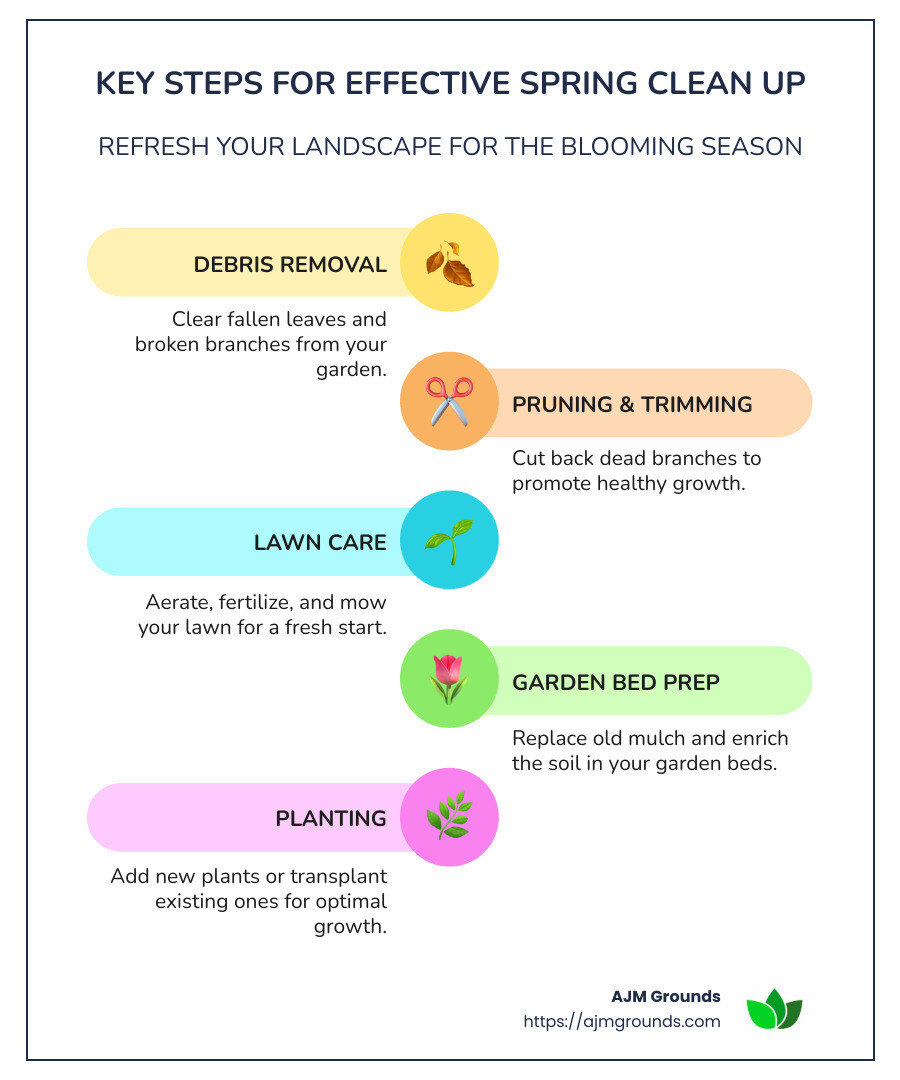
- Remove debris: Clear away fallen leaves and broken branches.
- Prune and trim: Cut back dead or damaged branches to promote healthy growth.
- Lawn care: Aerate, fertilize, and perform the first lawn mowing of the season.
- Prepare garden beds: Replace old mulch, edge borders, and enrich the soil.
- Planting: Add new plants or transplant existing ones to optimize space and sunlight.
My name is John Caplis, and as the owner of AJM Grounds LLC, I’ve dedicated my career to crafting breathtaking outdoor environments. With experience in spring clean up landscaping and changing outdoor spaces in Woburn and nearby areas, I’m committed to enhancing the beauty and vitality of your landscape.
Easy spring clean up landscaping glossary:
– landscape cleanup
– yard cleanups
What is Spring Clean Up Landscaping?
Spring clean up landscaping is all about revitalizing your property after the winter months. As the snow recedes and the first signs of green emerge, it’s time to prepare your landscape for the blooming season ahead. This process not only improves the beauty of your garden but also sets the stage for healthy plant growth.
Revitalize Your Property
Spring is the perfect opportunity to breathe new life into your outdoor space. By removing winter’s remnants—like fallen leaves and debris—you can prevent pests and diseases from taking hold. This cleanup is crucial for maintaining a healthy and vibrant landscape throughout the warmer months.
Prepare Your Landscape
Getting your landscape ready involves more than just cleaning. It’s about creating the ideal conditions for your plants to thrive. This includes:
- Pruning and Trimming: Removing dead or damaged branches encourages new growth and keeps plants healthy.
- Lawn Care: Aerating your lawn allows air and nutrients to penetrate the soil, which is vital after winter compaction.
- Garden Bed Preparation: Fresh mulch helps retain moisture and suppress weeds, ensuring your plants have the best start.
Accept the Blooming Season
Spring is synonymous with growth and renewal. By investing time in a thorough spring clean-up, you can ensure that your garden is ready to burst into life. The effort you put in now will pay off with lush lawns, vibrant flowers, and a landscape that thrives all summer long.
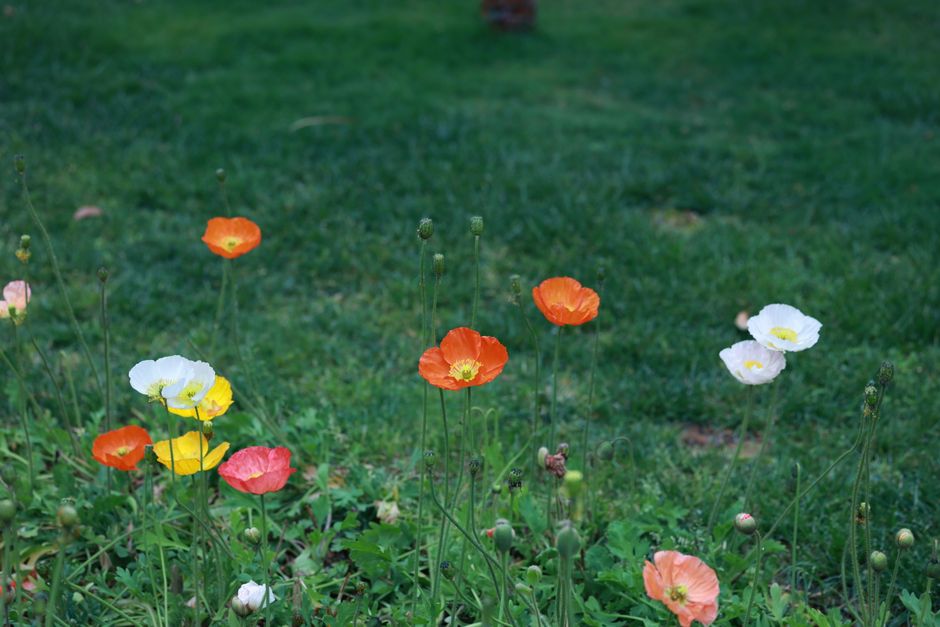
Spring clean up landscaping is not just a chore; it’s a chance to transform your outdoor space into a beautiful and welcoming environment. Whether you’re a seasoned gardener or just starting, these steps will help you make the most of the blooming season.
Essential Steps for a Quick Spring Clean Up
A quick spring clean up can transform your landscape from winter drab to spring fab. Follow these essential steps to get your outdoor space ready for the warmer months.
Pruning and Trimming
Pruning trees and shrubs is a must. Remove dead or damaged branches to stimulate new growth and prevent disease. This is particularly important for flowering shrubs like forsythia and lilacs, which bloom on last year’s growth. Trim them after they finish blooming to avoid losing flowers.
For shrubs that bloom later, such as butterfly bush or Rose of Sharon, prune in late winter or early spring. This encourages healthy growth without sacrificing blooms.
Efficient Debris Removal
Start with cleaning debris. Winter leaves and sticks can smother your lawn and garden beds. Rake up leaves, twigs, and any dead plants. Dispose of this debris properly to prevent pests and diseases.
Dethatching your lawn is another critical step. This process removes the layer of dead grass, allowing air and nutrients to reach the soil.
Lawn Maintenance
Your lawn needs attention after winter. Begin with aeration, which involves punching small holes in the ground to let air, water, and nutrients penetrate the soil. This is crucial for lawns compacted by snow.
Next, focus on weeding and fertilization. Weeds can quickly take over if left unchecked. Use a preemergent herbicide to control crabgrass before it sprouts. Then, fertilize your lawn to ensure it has the nutrients required for a lush, green appearance.
Mulch Installation and Benefits
Finally, don’t forget mulch installation. Fresh mulch not only beautifies your garden beds but also helps retain moisture and suppress weeds. Remove old mulch to prevent disease and pests, and apply a fresh layer for the best results.
By following these essential steps, your landscape will be ready to thrive throughout the spring and summer seasons. This quick spring clean up will ensure your outdoor space looks its best, providing a welcoming environment for you and your guests.
Pruning and Trimming Techniques
Pruning and trimming are essential parts of any spring clean up landscaping routine. These tasks not only enhance the beauty of your garden but also promote healthier plant growth.
Prune Trees and Shrubs
Begin by pruning trees and shrubs. This involves cutting back overgrown branches and shaping plants to maintain their natural form. Pruning helps in removing dead or damaged branches, which can otherwise become breeding grounds for pests and diseases.
For flowering shrubs like forsythia and lilacs, timing is crucial. These plants bloom on last year’s growth, so wait until after they bloom to prune them. This way, you won’t lose their beautiful flowers.
For shrubs that bloom later in the year, such as butterfly bush or Rose of Sharon, you can prune in late winter or early spring. This ensures that you stimulate new growth without sacrificing blooms.
Remove Dead Branches
Removing dead branches is a straightforward yet vital step. Deadwood can harbor diseases and pests that might spread to healthy parts of the plant. Use clean, sharp tools to cut back to the first sign of healthy wood. This encourages the plant to heal and focus its energy on new growth.
Stimulate Growth
Pruning isn’t just about cutting back; it’s also about encouraging plants to grow stronger and healthier. When you remove dead or damaged branches, you allow more sunlight and air to reach the inner parts of the plant. This can stimulate new growth and result in a more vibrant and lush garden.
Regular pruning and trimming not only help keep your garden looking tidy but also play a significant role in the overall health of your plants. By following these techniques, you ensure that your landscape is set up for a season of growth and beauty.
Efficient Debris Removal
Efficient debris removal is a crucial part of any spring clean up landscaping process. Clearing away the remnants of winter sets the stage for a healthy and vibrant garden.
Remove Leaves and Sticks
Start by removing leaves and sticks that have accumulated over the winter. These can smother your grass and prevent new growth. Use a rake or leaf blower to gather debris from your lawn and flower beds. This simple step helps prevent pests and diseases that thrive in decaying organic matter.
Dethatch the Lawn
Dethatching is another important task. Thatch is a layer of dead grass that can build up over time, blocking water and nutrients from reaching the soil. Use a dethatching rake to remove this layer, allowing your lawn to breathe and absorb essential nutrients. This step is vital for a lush, green lawn come summer.
Dispose of Dead Plants
Dead plants, especially those that didn’t survive the winter, should be removed from your garden. This includes annuals that have completed their life cycle and perennials that show no signs of life. Removing these plants prevents the spread of disease and makes room for new growth. Dispose of dead plants properly, either by composting them if they’re disease-free or discarding them if they’re not.
Efficient debris removal not only improves the appearance of your landscape but also contributes significantly to the health of your garden. By taking these steps, you’re ensuring a clean slate for the new growing season, setting your plants up for success.
Lawn Care Essentials
Taking care of your lawn during spring clean up landscaping sets the foundation for a thriving outdoor space. Here’s a simple breakdown of key lawn care tasks: weeding, fertilization, aeration, reseeding, and sodding.
Weeding
Weeds can be a persistent problem, but tackling them in early spring prevents them from taking over. Start by identifying common weeds in your area and use a combination of hand-pulling and herbicides. Tip: Pulling weeds when the soil is moist makes the task easier and more effective.
Fertilization
Fertilizing your lawn in spring helps promote healthy growth. Use a slow-release fertilizer to provide a steady supply of nutrients. Compost is a great natural fertilizer option, as it enriches the soil without the risk of burning your lawn. If you choose chemical fertilizers, follow the instructions carefully to avoid over-application.
Aeration
Aeration involves perforating the soil with small holes to allow air, water, and nutrients to penetrate the grass roots. This process alleviates soil compaction and encourages deeper root growth. For cool-season grasses, early spring is an ideal time for aeration. Consider renting an aerator or hiring a professional to ensure proper coverage.
Reseeding
Reseeding is crucial if your lawn has bare or thin spots. Begin by loosening the soil in these areas, then spread grass seed evenly. Water the area regularly to keep the soil moist until the new grass is established. Timing is key: Cool-season grasses should be reseeded in early spring, while warm-season grasses do better when reseeded in late spring.
Sodding
If you’re looking for a quicker solution than reseeding, consider sodding. Sod provides an instant lawn and can be laid anytime the ground is not frozen. It’s often best to hire professionals for this task to ensure proper installation. That sodding can be more costly, with average prices ranging from $0.30 to $0.80 per square foot, but the convenience and immediate results are often worth it.
By focusing on these lawn care essentials, you’ll ensure a healthy, green lawn that improves the beauty of your landscape throughout the growing season.
Sprinkler and Hose Maintenance
Proper sprinkler and hose maintenance is essential to keep your lawn lush and green. Without it, you might end up with dry patches or overwatered areas. Here’s how to ensure your irrigation system is in top shape:
Check for Leaks
Leaks in hoses and sprinkler systems can waste water and lead to uneven watering. Start by connecting each hose and turning on the water. Look for drips or sprays coming from the hose itself or the connections. If you find any leaks, you can often patch small holes with hose repair kits. For larger leaks, replacing the hose might be necessary.
For sprinkler systems, run a full cycle and watch closely for any geyser-like eruptions, which indicate broken sprinkler heads or underground pipe leaks. Fixing these promptly will save water and ensure efficient irrigation.
Clean Sprinkler Heads
Over time, dirt and debris can clog sprinkler heads, affecting their performance. To clean them, first turn off the water supply. Then, remove the sprinkler heads and rinse them under running water to clear any blockages. For stubborn debris, a soft brush or a toothpick can help. Once clean, reattach the heads and test the system to make sure water sprays evenly.
Ensure Proper Coverage
After addressing leaks and cleaning, it’s crucial to ensure your sprinkler system provides adequate coverage. Run the system and observe the spray patterns. Adjust any misaligned heads to avoid watering driveways or sidewalks instead of your lawn. If you notice areas that aren’t getting enough water, you might need to add more sprinkler heads or adjust the existing ones.
For a more precise approach, consider a professional assessment. They can help optimize your system for efficient water use and coverage.
By taking these steps, your irrigation system will effectively support your lawn’s health, contributing to a vibrant and beautiful landscape.
Mulch Installation and Benefits
Mulch is a simple yet powerful tool in spring clean up landscaping. It adds a fresh look to your garden while offering multiple benefits that keep your landscape healthy and vibrant.
Fresh Mulch
Adding a layer of fresh mulch to your garden beds, tree rings, and other areas can instantly improve the appearance of your landscape. A neatly mulched area looks tidy and well-maintained, boosting the curb appeal of your home.
Retain Water
Mulch plays a crucial role in moisture retention. By covering the soil, mulch reduces evaporation, helping your plants stay hydrated longer. This means you’ll spend less time watering, saving both water and effort. In dry spells, mulch can be a lifesaver for your plants.
Suppress Weeds
Weeds can quickly take over a garden, but mulch helps keep them at bay. By blocking sunlight from reaching weed seeds, mulch prevents them from germinating. This means fewer weeds to pull and more time to enjoy your garden.
Did you know? Mulch also contributes to improved soil health. As it breaks down, it releases nutrients into the soil, enriching it and supporting plant growth.
Incorporating mulch into your spring clean up landscaping routine not only beautifies your garden but also supports a healthy and low-maintenance landscape.
Average Costs for Spring Clean Up Services
When it comes to spring clean up landscaping, understanding the costs involved can help you plan your budget effectively. On average, homeowners spend a wide range for these services, depending on the size of the property and the specific tasks required.
Average Costs
Based on internet data, spring clean up landscaping can cost anywhere from $150 to $500 for basic services. However, for larger properties or more extensive work, such as tree pruning or extensive mulching, prices can rise significantly, sometimes reaching up to $1,500 or more.
Factors Influencing Costs
Several factors can influence the cost of spring clean up landscaping:
- Property Size: Larger areas require more time and materials, increasing costs.
- Service Complexity: Tasks like tree pruning or garden bed preparation can add to the total.
- Material Costs: The type and amount of mulch or fertilizer used can affect pricing.
- Local Rates: Costs can vary based on regional labor rates and availability of services.
Get an Estimate
For the most accurate pricing, it’s recommended to get a personalized estimate. Many landscaping companies, like AJM Grounds, offer free estimates. This allows you to understand the specific costs for your property and the services you need.
Investing in a thorough spring clean up landscaping can save you time and effort in the long run, ensuring a beautiful and healthy landscape throughout the year.
Frequently Asked Questions about Spring Clean Up Landscaping
When is the best time to start spring clean-up?
The ideal time to start your spring clean up landscaping is right after the last frost of winter. This timing ensures that the ground has thawed and is no longer soggy, which is crucial to avoid compacting the soil and harming plant roots. The exact timing can vary based on your location, so it’s wise to monitor local weather forecasts closely. For residents in areas like Bedford, MA, or Lexington, MA, keeping an eye on regional gardening resources can provide more precise guidance.
How often should pruning and trimming be done?
Pruning and trimming are essential steps in promoting healthy plant growth and should generally be done in the spring, just before the growing season begins. However, the frequency and timing can differ depending on the plant type. For example, some plants benefit from being pruned in late winter, while others should be pruned immediately after they bloom. Researching the specific needs of each plant in your landscape is crucial to determine the optimal schedule for these tasks.
Can I overseed my lawn during spring clean-up?
Yes, overseeding can be an integral part of your spring lawn care routine. The best time for overseeding depends on your grass type. Cool-season grasses, like Kentucky bluegrass, thrive when overseeded in early spring. In contrast, warm-season grasses, such as Bermuda grass, are better overseeded in late spring or early summer when soil temperatures are more favorable. Before overseeding, ensure proper soil preparation, including aeration and dethatching, to achieve the best results.
Conclusion
At AJM Grounds, we pride ourselves on delivering personalized service that meets the unique needs of each client. Our team is dedicated to ensuring your landscape looks its best through every season. We understand that a one-size-fits-all approach doesn’t work when it comes to landscaping, which is why we focus on attention to detail in every project we undertake.
Whether you’re in Woburn, MA, or nearby towns like Lexington or Bedford, our experts are here to help you with your spring clean-up landscaping needs. We offer a comprehensive range of services, from pruning and trimming to lawn care and mulch installation, ensuring your property is not only beautiful but also healthy and vibrant.
By choosing AJM Grounds, you’re not just investing in your landscape; you’re investing in peace of mind. We handle all the hard work, so you can enjoy your outdoor space without the hassle. Our commitment to quality and customer satisfaction is evident in every job we do, making us a trusted partner for your landscaping needs.
Let us help you transform your landscape into a stunning oasis that you can be proud of. Contact us today to schedule your spring clean-up and experience the AJM Grounds difference.
