

Why Retaining Walls Ideas Transform Problem Slopes Into Beautiful Outdoor Spaces
Retaining walls ideas can turn your sloped yard from a maintenance headache into a stunning landscape feature. Here are the most popular retaining wall options for every budget and style:
Budget-Friendly Options ($25-$40 per sq ft):
- Interlocking concrete blocks
- Treated timber walls
- DIY concrete bag method
- Boulder stacking
Mid-Range Choices ($40-$65 per sq ft):
- Natural stone veneer
- Gabion cages with decorative rock
- Multi-tiered block systems
Premium Designs ($65-$200+ per sq ft):
- Board-form concrete with lighting
- Corten steel infinity edges
- Stone walls with integrated seating
*These are average costs based on internet data and not actual costs for AJM Grounds.
Whether you’re dealing with soil erosion, creating usable flat space, or boosting curb appeal, retaining walls solve multiple problems at once. Research shows that retaining walls can increase usable yard space by up to 50% on sloped properties, allowing for patios, gardens, and play areas that would otherwise be unusable.
Modern retaining walls do much more than hold back dirt. They create multi-level gardens, provide built-in seating, frame outdoor living spaces, and can even incorporate fire pits or water features. The key is choosing the right material and design for your specific slope, soil type, and style preferences.
I’m John Caplis, owner of AJM Grounds LLC, and I’ve spent years helping homeowners in Woburn and Greater Boston transform challenging slopes into beautiful, functional outdoor spaces using creative retaining walls ideas. From simple block walls to complex multi-tiered designs, the right retaining wall can completely change how you use and enjoy your property.
Why Retaining Walls Matter
Beyond their obvious function of soil retention, retaining walls serve as the backbone of smart landscape design. They prevent flood damage by controlling water runoff, especially critical during New England’s heavy spring rains and sudden summer storms.
We’ve seen how properly designed retaining walls create usable space where none existed before—turning steep, unusable slopes into level areas perfect for patios, gardens, or even outdoor kitchens. In communities like Bedford, Billerica, and Winchester, where many properties feature natural slopes, this additional usable space can significantly impact both lifestyle and property value.
Understanding Retaining Walls: Types & Materials
Choosing the right retaining walls ideas starts with understanding that not every wall works for every situation. Your soil type, slope height, and budget all play crucial roles in determining which approach will give you the best long-term results.
Think of retaining walls like shoes—you wouldn’t wear flip-flops to climb a mountain, and you wouldn’t build a massive concrete wall to hold back a gentle garden slope. Each type of wall has its sweet spot where it performs best.
Core Wall Types Explained
Gravity walls are the workhorses of the retaining wall world. These sturdy structures rely purely on their own weight to push back against soil pressure, making them perfect for walls under 3 feet tall. Whether you choose stacked stone, concrete blocks, or timber, gravity walls offer the most straightforward installation process. They’re incredibly DIY-friendly, which explains why we see so many successful weekend projects using this approach.
Cantilever walls showcase some pretty clever engineering. Picture an upside-down “T” where the horizontal base extends under the soil you’re retaining. Here’s the brilliant part—the weight of that soil actually helps stabilize the wall instead of working against it. This design allows for much taller walls using less material than traditional gravity walls.
Anchored walls bring in the heavy artillery for challenging situations. These use cables or steel rods driven deep into the hillside behind the wall, creating a connection that can handle serious soil pressure. You’ll typically see these on commercial projects or residential sites with particularly tall walls or difficult soil conditions. Professional installation is definitely required here.
Modular block systems have revolutionized DIY retaining wall construction. These interlocking concrete blocks fit together like giant LEGO pieces, creating incredibly strong walls without requiring mortar or special tools. The interlocking design provides built-in stability, and the installation process is forgiving enough that most homeowners can achieve professional-looking results.
Material Choices & Trade-Offs
Concrete blocks dominate the retaining wall market for excellent reasons. Basic blocks start around $1 each, making them budget-friendly for most projects. The interlocking varieties eliminate guesswork during installation—if the blocks fit together properly, your wall will be structurally sound. We frequently recommend concrete blocks for homeowners throughout Greater Boston who want clean, modern aesthetics without premium pricing.
Natural stone represents the gold standard for durability and timeless beauty. Granite and limestone walls can literally last centuries with minimal maintenance, though they command premium prices. The installation requires skilled craftsmanship to ensure proper fit and drainage, but the investment pays dividends in both curb appeal and longevity. There’s something deeply satisfying about a well-built stone wall that connects your landscape to New England’s historic character.
Treated timber delivers the most affordable upfront costs, though it requires ongoing maintenance to reach its 15-20 year lifespan potential. Pressure-treated lumber works beautifully for temporary solutions or budget-conscious projects. The key is applying wood preservatives regularly and keeping plantings at a reasonable distance to prevent chemical damage to your garden.
Gabion cages blend modern engineering with natural materials in fascinating ways. These wire cages filled with stones provide excellent drainage while creating an industrial-chic aesthetic that’s gained serious popularity recently. The term comes from Italian meaning “big cage,” and these structures have protected riverbanks and hillsides for centuries in various forms.
Corten steel offers something truly special for contemporary landscapes. This “weathering steel” develops a protective rust patina that actually prevents further corrosion while creating stunning visual appeal. It’s particularly effective for infinity-edge designs that blur the lines between formal hardscaping and natural landscape elements.
Each material brings distinct advantages, and the best choice depends on your specific site conditions, aesthetic preferences, and long-term maintenance comfort level.
More info about Natural Stone Retaining Walls
Top 15 Retaining Walls Ideas We Love
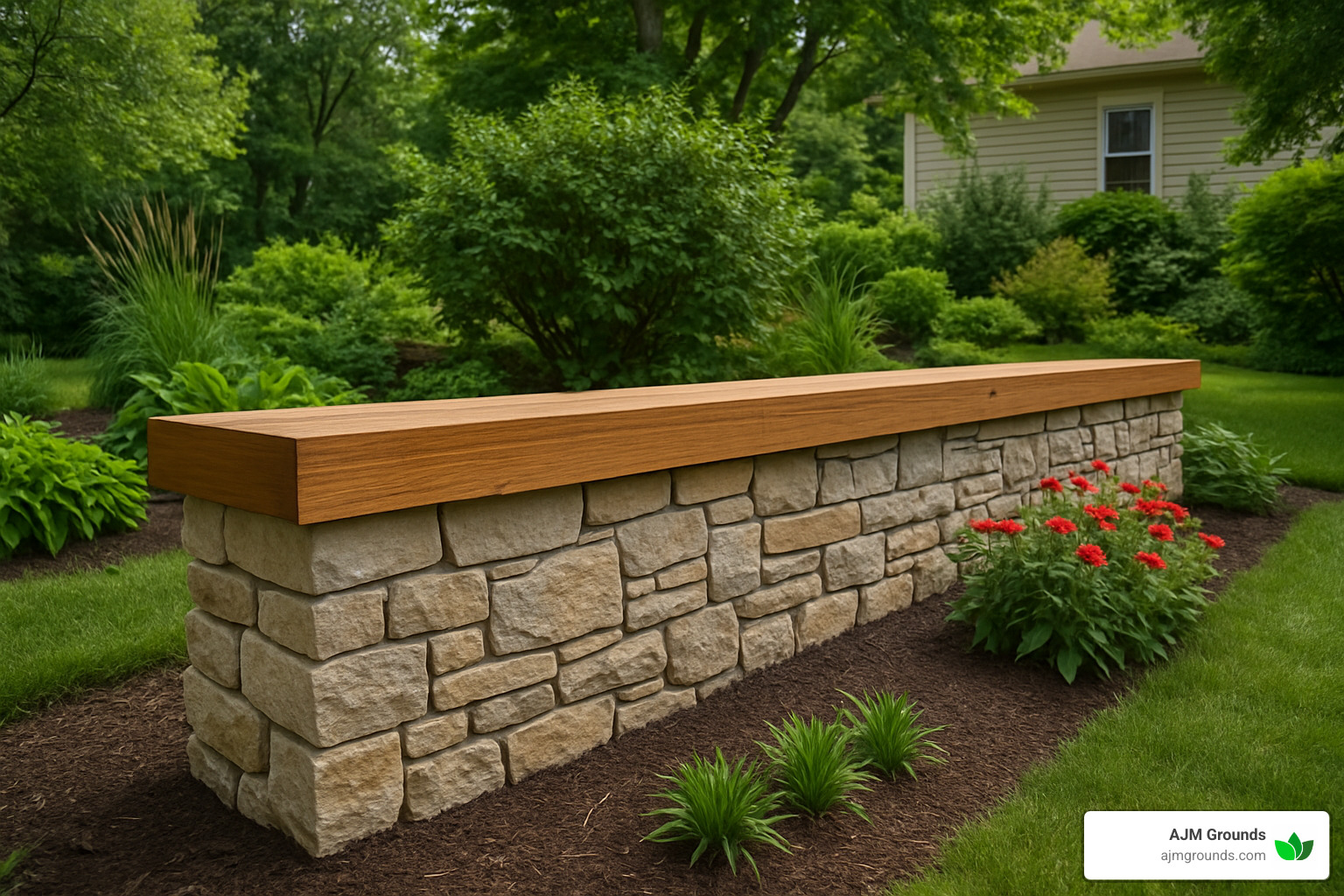
The most inspiring retaining walls ideas don’t just hold back soil—they transform your entire outdoor space into something special. Whether you’re working with a tight budget or ready to invest in luxury features, the right wall design can turn a problem slope into your favorite part of the yard.
I’ve seen homeowners completely change how they use their property with smart retaining wall choices. A simple terraced design can create room for vegetable gardens, outdoor dining, or even a hot tub where only a steep slope existed before. The trick is thinking beyond basic functionality to consider style, comfort, and long-term enjoyment.
For more creative inspiration, exploring different design approaches can help you find unique solutions that perfectly match your landscape vision.
Budget-Friendly Retaining Walls Ideas
Interlocking concrete blocks remain my top recommendation for homeowners who want professional results without professional prices. These systems literally snap together like giant LEGO blocks, making them nearly foolproof for weekend DIY projects. The secret to success lies in the foundation—dig your trench deep enough to bury half the first course, then add three inches of compacted gravel base.
Treated timber walls offer incredible value when you’re creating multiple terraced levels. Instead of building one expensive tall wall, several shorter timber walls connected by planted slopes cost much less while creating beautiful layered gardens. We’ve used this approach throughout Lexington and Burlington to transform steep backyards into stunning hillside retreats.
The DIY concrete bag method sounds almost too simple to work, but it’s surprisingly effective. You stack dry cement bags like building blocks, then spray them with water from a garden hose. As the bags cure, they form permanent, uniquely textured walls at a fraction of the cost of poured concrete. The finished look has an organic, handcrafted appeal that works beautifully in cottage-style gardens.
Boulder stacking creates the most natural-looking walls, especially when you choose larger stones over small rocks. The key is selecting boulders that are big enough to create visual impact—think basketball-sized or larger rather than softball-sized. This approach works particularly well for informal garden settings where you want the wall to look like it’s always been part of the landscape.
High-End Retaining Walls Ideas for Luxury Yards
Board-form concrete walls create stunning modern statements, especially when combined with integrated LED lighting. The concrete captures the subtle wood grain pattern from the forms, creating texture that looks sophisticated during the day and dramatic at night when the lighting activates. These walls require significant upfront investment but deliver decades of maintenance-free beauty.
Corten steel infinity edges represent the cutting edge of contemporary landscape design. This weathering steel develops a beautiful rust patina that actually protects the metal underneath while creating the illusion that your wall disappears into the horizon. The effect works particularly well for separating formal lawn areas from naturalistic plantings.
Natural stone walls with integrated lighting combine timeless materials with modern technology. LED strips embedded in mortar joints or tucked under cap stones create magical evening ambiance while providing practical illumination for outdoor entertaining. The initial cost reflects the skilled craftsmanship required, but the results last for generations.
Gabion cages filled with decorative glass rocks offer a contemporary twist that changes appearance throughout the day as light conditions shift. Colored glass or polished stones create eye-catching displays that work beautifully in modern landscapes while providing excellent drainage and structural stability.
Multi-Tier Magic
Multi-tiered retaining walls ideas solve multiple challenges simultaneously while creating more interesting landscapes than single tall walls. Instead of building one expensive 8-foot wall, three shorter walls of 2-3 feet each cost significantly less while providing additional planting opportunities and visual interest.
The magic happens in the spaces between walls. Each terrace becomes a mini-garden with its own microclimate and planting possibilities. Upper levels naturally drain toward lower ones, creating perfect conditions for different plant types at each level. Drought-tolerant plants thrive on the upper terraces, while moisture-loving varieties flourish in the lower areas.
This approach also reduces structural loads on individual walls, making the entire system more stable and longer-lasting. We’ve designed tiered systems throughout Greater Boston that turn challenging slopes into stunning focal points with built-in gardens at every level.
Walls That Double as Seating & Storage
Capstone benches transform ordinary retaining walls into functional outdoor furniture with minimal additional cost. By extending the cap stones to create 12-18 inch wide surfaces, you gain permanent seating around patios, fire pits, or garden areas. This works particularly well with stone or concrete block walls where the cap provides a comfortable sitting surface.
Curved seat-walls create intimate outdoor rooms while solving slope issues. These follow the natural contours of your land while providing built-in seating for outdoor dining or entertaining. The curved design feels more welcoming than straight walls and creates natural conversation areas for gatherings.
Hidden storage compartments built into larger retaining walls provide valuable space for outdoor cushions, garden tools, or pool equipment without cluttering your landscape with additional structures. These require careful planning during construction but pay dividends in organized outdoor living for years to come.
Retaining Wall with Paver Patio
Plant-Powered Designs
Vertical planters built into retaining walls create living art installations that change with the seasons. Pockets or shelves designed into the wall structure provide homes for cascading plants, herbs, or colorful annuals. This approach works particularly well with concrete block walls where openings can be designed into the structure during construction.
Cascading greenery softens hard wall edges while creating the illusion that your wall emerged naturally from the landscape. Plants like sedums, ivy, or native grasses spilling over wall tops blur the line between hardscape and softscape, making even large walls feel integrated with their surroundings.
Native plant integration ensures long-term success with minimal maintenance while supporting local ecosystems. We often recommend native shrubs like summersweet, elderberry, or native azaleas that thrive in New England conditions while providing year-round interest and habitat for local wildlife.
Pollinator pockets designed into retaining walls support butterflies, bees, and beneficial insects while creating beautiful displays. Small planted areas between wall sections or on top of walls become havens for pollinators, helping your entire garden thrive while contributing to environmental health.
Plan Like a Pro: Design, Drainage & Budget
Building a successful retaining wall isn’t just about stacking blocks and hoping for the best. The difference between a wall that lasts decades and one that fails within a few years comes down to smart planning, proper drainage, and realistic budgeting.
Here’s something that might surprise you: over 80% of retaining wall failures happen because of poor drainage, not structural problems. That expensive wall collapse you see in your neighbor’s yard? Probably could have been prevented with a $50 drain pipe and some gravel.
Soil testing should be your very first step, even before you fall in love with those beautiful stone samples. Clay soils are the troublemakers here—they hold onto water like a sponge and push against your wall with surprising force. Sandy soils drain beautifully but might not give your wall the solid foundation it needs. A simple soil test tells you exactly what you’re working with and helps avoid costly surprises later.
For taller walls or tricky soil conditions, geogrid reinforcement acts like invisible insurance. These fabric or plastic grids get layered into the backfill behind your wall, spreading out the load and keeping everything stable. Yes, it adds to your upfront costs, but it’s much cheaper than rebuilding a failed wall.
When ordering materials, always over-order by 10% to account for cutting waste and future repairs. Nothing’s more frustrating than needing three blocks for a repair five years from now and finding out your specific color has been discontinued.
Average costs range from $25-$90 per square foot for most residential projects, though luxury installations can reach $200-$300 per square foot. These are average costs based on internet data and not actual costs for AJM Grounds. The wide range reflects everything from basic DIY block walls to engineered stone masterpieces with integrated lighting.
Permit requirements typically kick in around 3-4 feet in height, though every town has its own rules. In Massachusetts, walls supporting driveways or structures often need engineer approval regardless of height. A quick call to your building department can save you from expensive do-overs.
More info about Retaining Wall Construction
Drainage Mistakes to Avoid
Hydrostatic pressure sounds fancy, but it’s really just water pushing against your wall with nowhere to go. When water builds up behind a retaining wall, it creates enormous pressure that can crack, bulge, or topple even well-built structures.
Saturated clay creates the worst-case scenario for retaining walls. When clay soils get waterlogged during our notorious New England spring thaws or summer downpours, they can push against walls with thousands of pounds of force per square foot.
Filter fabric is your secret weapon against drainage failure. This inexpensive material lets water pass through while keeping soil particles from clogging your drainage system. Think of it as a coffee filter for your retaining wall—essential and cheap insurance.
Perforated drain pipe behind the wall, surrounded by gravel and wrapped in filter fabric, forms the backbone of your drainage system. The pipe needs to slope toward a safe outlet away from buildings. Never let drainage water pool near your house foundation—that creates a whole new set of problems.
Budget & Permit Checklist
Material markup varies wildly between suppliers, so shopping around can save you 20-30% without compromising quality. The cheapest option isn’t always the smartest choice, though. Quality materials cost more upfront but save money over your wall’s lifetime.
Labor costs typically run $15-$40 per square foot for professional installation, depending on complexity and your local market. DIY installation can cut these costs significantly, but make sure you have the right tools, skills, and weekend time to do it properly.
Always call 811 before any digging begins. This free utility locating service prevents dangerous and expensive accidents. Trust me, hitting a gas line or fiber optic cable will turn your weekend project into a very expensive emergency.
Local building codes change from town to town, sometimes dramatically. What’s perfectly legal in Woburn might require permits and engineer approval in nearby Winchester. A quick conversation with your building department prevents costly surprises and project delays.
DIY vs. Hiring a Pro: Build, Maintain, Repair
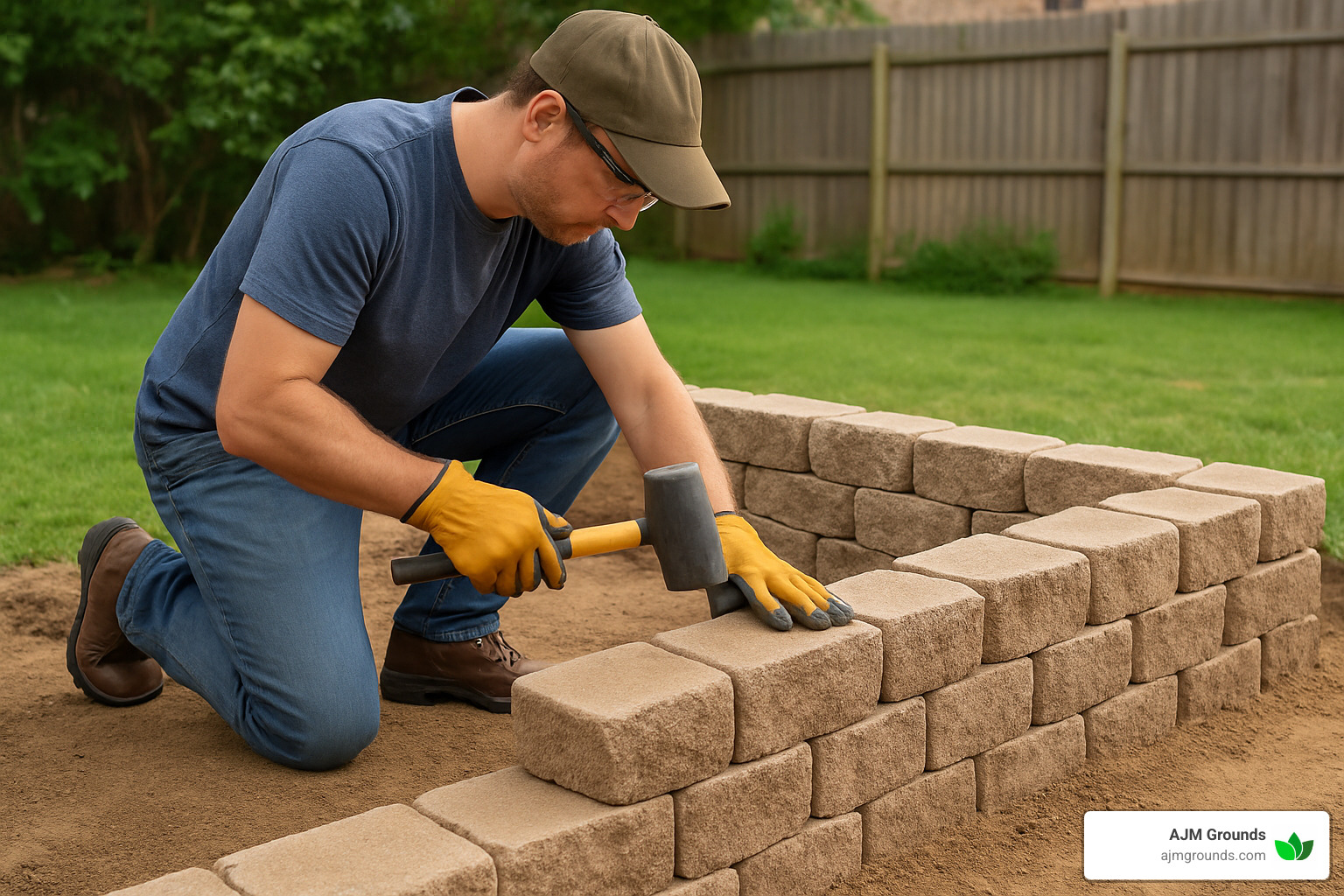
The decision between DIY and professional installation depends on wall height, complexity, and your skill level. We’ve seen many successful DIY projects, but we’ve also repaired numerous failed attempts that cost more than professional installation would have initially.
When a DIY Project Makes Sense
Walls Under 3 Feet are generally manageable for experienced DIYers. These don’t typically require permits and use simpler construction techniques. The key is taking time for proper base preparation and following manufacturer instructions precisely.
Lightweight Materials like interlocking blocks or timber are more forgiving for beginners. Concrete blocks weighing 30-50 pounds each are manageable, while large natural stones requiring machinery are better left to professionals.
Simple Curves can be accommodated with most block systems, though sharp curves or complex geometries require more skill and experience. Start with straight walls for your first project, then tackle curves as you gain confidence.
Step-by-Step Block Wall Construction:
- Call 811 to locate utilities
- Mark your layout with stakes and string
- Excavate trench twice the block width
- Install and compact paver base
- Level and place first course (half buried)
- Add drainage pipe and gravel backfill
- Continue courses, checking level frequently
- Install cap stones with landscape adhesive
When to Call the Experts
Tall Walls over 3-4 feet require engineering expertise and often permits. The consequences of failure increase dramatically with height, making professional design and installation essential.
Walls Supporting Driveways or structures carry additional loads that require proper engineering. These applications typically require permits and professional installation regardless of height.
Complex Drainage situations, particularly near building foundations or in areas with poor soil conditions, require professional expertise. Mistakes in drainage design can lead to foundation problems costing tens of thousands to repair.
Structural Cracks in existing walls indicate serious problems that require professional assessment. Attempting DIY repairs on failing walls often makes problems worse and more expensive to fix properly.
Seasonal Maintenance keeps walls performing properly for decades. Annual inspections should check for drainage clogs, loose cap stones, or signs of movement. Timber walls need regular preservative treatment, while stone walls may require periodic repointing.
Frequently Asked Questions about Retaining Walls Ideas
What is the most affordable material for retaining walls?
Interlocking concrete blocks consistently rank as the most budget-friendly option that doesn’t sacrifice quality. At just over $1 per block, they deliver excellent value while being DIY-friendly enough to save on labor costs. The interlocking design means you won’t need mortar, special adhesives, or expensive tools—just a level, rubber mallet, and some elbow grease.
Treated timber edges out concrete blocks for pure upfront affordability, but it’s important to consider the full picture. While lumber costs less initially, you’ll spend more time and money on maintenance over the years. Think of it as choosing between a reliable used car and a fixer-upper—both get you where you’re going, but one requires more ongoing attention.
For homeowners in Woburn and surrounding communities who want the absolute lowest cost, the DIY concrete bag method can’t be beaten. Stacking dry cement bags and spraying them with water creates a surprisingly durable wall at a fraction of traditional concrete costs.
How do I calculate how many blocks I need?
The math is simpler than you might think. Take your wall length times wall height, then divide by the block length times block height. So a 20-foot long, 3-foot high wall using standard 12″ × 8″ blocks needs about 90 blocks before adding extras.
Always order 10% extra blocks—this industry standard accounts for cutting waste and gives you matching materials for future repairs. Nothing’s more frustrating than needing three blocks to finish a project and finding your supplier no longer carries that exact color or style.
Most manufacturers provide online calculators that make this even easier, and they’ll account for curves, corners, and other complexities. When in doubt, bring your measurements to the supplier—they’d rather help you get it right than deal with returns or angry customers.
Do retaining walls increase property value?
Well-designed retaining walls typically return 70-90% of their investment in increased property value, based on our experience in Greater Boston’s competitive real estate market. But the real magic happens in how they transform unusable slopes into functional outdoor living space.
We’ve seen properties where retaining walls ideas created level areas for patios, gardens, or play spaces that simply couldn’t exist before. That additional usable square footage often translates directly to higher property values, especially in areas like Bedford, Lexington, and Winchester where flat yard space is at a premium.
The quality of installation matters enormously for value return. A professionally designed wall that integrates beautifully with your landscape can be a major selling point. On the flip side, a poorly built wall that’s already showing signs of failure can actually hurt property value.
Beyond pure dollars and cents, retaining walls solve practical problems that make your property more enjoyable to live in. Stopping erosion, creating level spaces for entertaining, and enhancing curb appeal all contribute to your daily quality of life—value that’s hard to put a price tag on.
Conclusion
The best retaining walls ideas balance engineering requirements with aesthetic goals while fitting your budget and maintenance preferences. Whether you choose budget-friendly interlocking blocks or invest in premium natural stone, proper planning and installation ensure decades of reliable service.
Retaining walls are long-term investments in your property’s functionality and beauty. A well-designed wall transforms problematic slopes into showcase features while solving practical problems like erosion control and space creation. The key is matching the right materials and design approach to your specific site conditions, style preferences, and budget constraints.
From simple DIY block walls to complex multi-tiered designs with integrated lighting and seating, retaining walls offer endless possibilities for enhancing your outdoor space. The investment in proper design and installation pays dividends in increased usable space, reduced maintenance, and improved property value.
At AJM Grounds, we’ve helped countless homeowners throughout Woburn, Bedford, Billerica, Burlington, Lexington, Reading, Stoneham, Wilmington, and Winchester transform challenging slopes into beautiful, functional landscapes. Our attention to detail and personalized service ensure that your retaining wall project improves both the beauty and functionality of your outdoor space.
More info about our professional Retaining Wall Construction services — AJM Grounds can bring your vision to life in Greater Boston.
