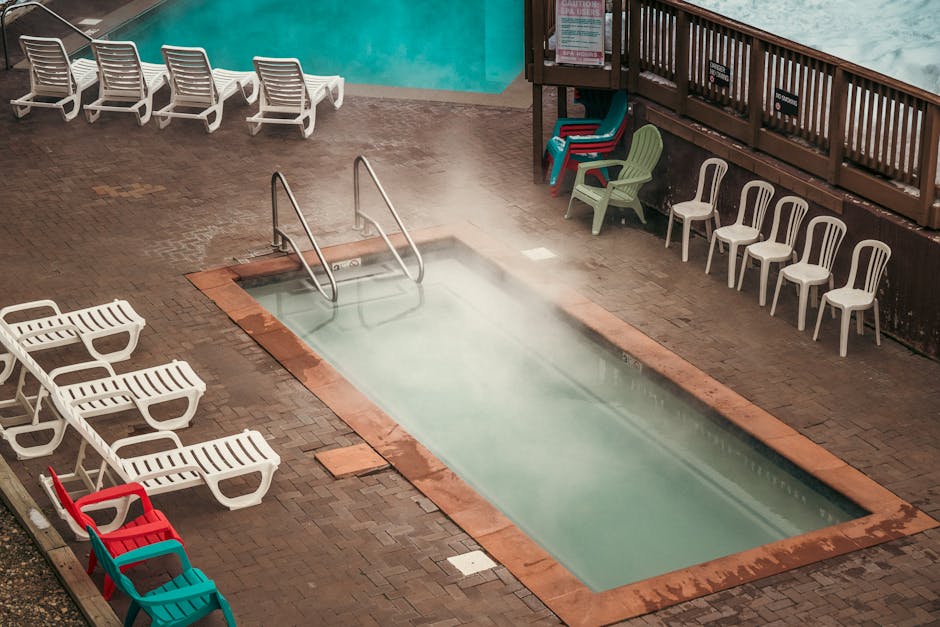
Why Pavers Are the Premier Choice for Your Poolside Oasis
Pool deck pavers provide a durable, safe, and beautiful surface that transforms your swimming pool into a true backyard oasis. When choosing the right material, key factors include slip resistance, heat absorption, durability against chlorine and salt, and long-term maintenance needs.
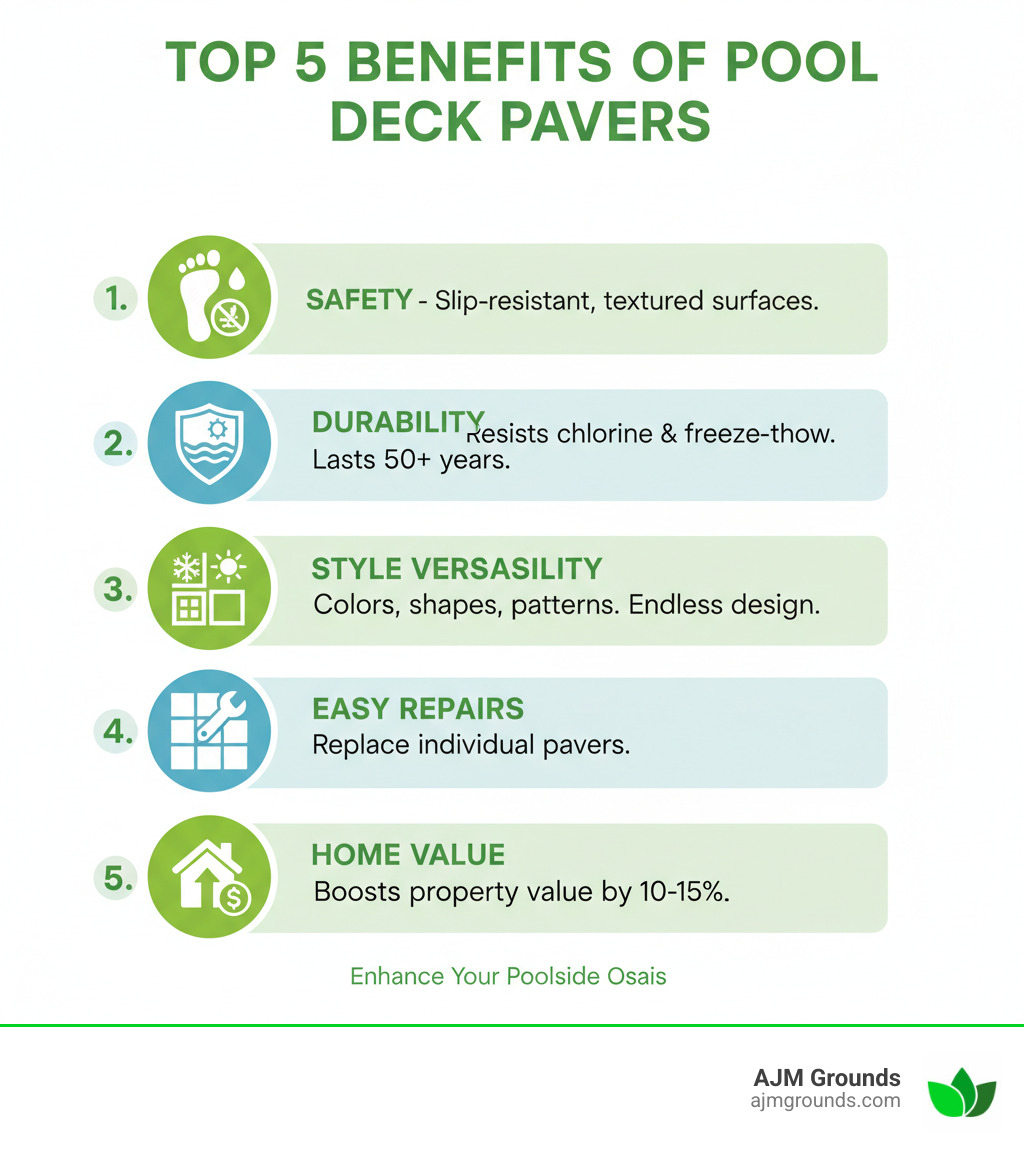
Your pool surround must be both functional and attractive. Pavers deliver advantages that other materials simply can’t match. Compared to poured concrete, pavers offer superior slip resistance and are far easier to repair. Unlike wood decking, they won’t rot, splinter, or require constant staining. Built to last over 50 years with proper care, a quality paver pool deck can also increase your property value.
Homeowners are increasingly choosing pavers for their versatility, safety, and timeless appeal. While installation costs vary based on material and design, the pavers themselves often represent only a fraction of the total project budget. This means upgrading to a premium paver doesn’t dramatically increase your overall investment.
As John Caplis, owner of AJM Grounds LLC, I’ve spent years helping Woburn-area homeowners create stunning outdoor spaces with expertly installed pool deck pavers. My team specializes in durable, beautiful hardscaping that improves both property value and quality of life.
Easy Pool deck pavers glossary:
A Deep Dive into the Best Pool Deck Pavers and Design Factors
Your pool deck deserves more than an afterthought. Getting the material and design right from the start means decades of enjoyment. This isn’t just about picking pretty pavers; it’s about understanding how different materials perform in our New England climate and how proper installation protects your investment.
Comparing Top Materials: Concrete, Natural Stone, and Porcelain
The material you choose for your pool deck pavers is critical for longevity and enjoyment. The three main categories are concrete, natural stone, and porcelain, each with distinct advantages.
- Concrete Pavers: The workhorse of pool decks, concrete pavers are versatile, affordable, and engineered to withstand freeze-thaw cycles. They come in countless styles and can mimic natural stone at a lower cost.
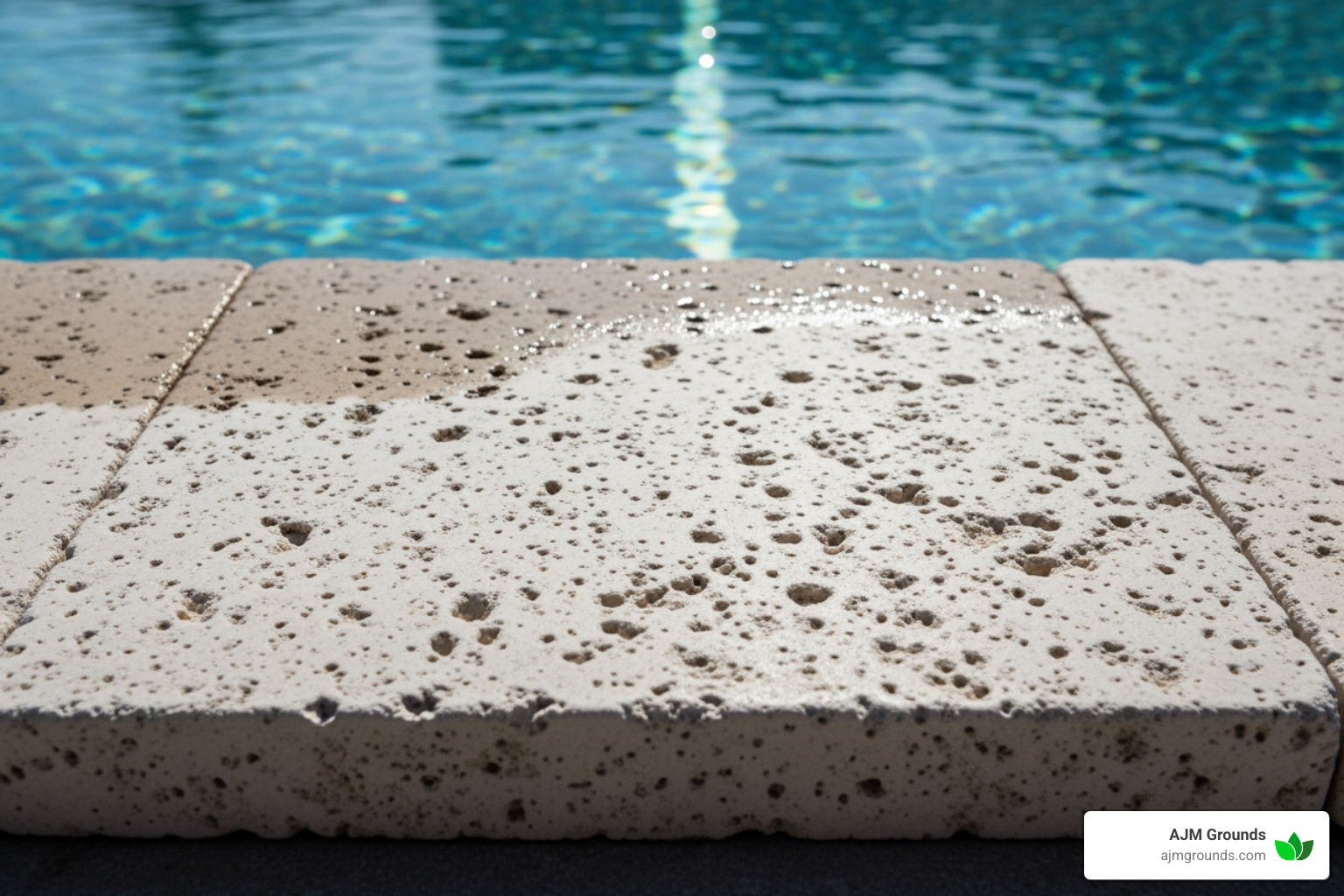
- Natural Stone Pavers: For a touch of luxury, natural stone is unparalleled. Travertine is a popular choice because it stays cool underfoot and is naturally slip-resistant. Other options like Bluestone, Marble, and Granite offer unique aesthetics, from sophisticated blue-gray tones to high-end durability.
- Porcelain Pavers: For the ultimate low-maintenance option, porcelain pavers are a top contender. They are non-porous, highly stain-resistant, and do not require sealing. They offer superior slip resistance and can mimic the look of wood or stone without the upkeep.
Here’s how these materials compare across the factors that actually matter:
| Material | Aesthetics | Durability | Slip Resistance | Heat Retention | Maintenance | Average Material Cost (per sq ft) |
|---|---|---|---|---|---|---|
| Concrete Pavers | Versatile, wide range of colors/shapes, can mimic stone | Very high, 50+ years, excellent for freeze-thaw | Good (textured) | Varies by color | Low to moderate, occasional sealing | $5 – $15 |
| Natural Stone | ||||||
| – Travertine | Luxurious, sophisticated, timeless | High, resists freeze-thaw, durable | Excellent | Stays cool underfoot | Moderate, requires sealing, porous | $5 – $25 |
| – Bluestone | Neat, unique blue/gray tones | Moderate, can flake if not sealed, good for freeze-thaw | Good | Moderate | Moderate to high, requires sealing | $15 – $30 |
| – Marble | High-end, luxurious, clean look | High, very durable, weather-resistant | Varies (textured options best) | Varies by color | Moderate, may require sealing | $15 – $30+ |
| – Granite | Modern, neat, light grayscale shades | Very high, durable, water damage resistant | Excellent | Moderate | Low, very durable | $20 – $50 |
| Porcelain Pavers | Modern, sleek, can mimic wood/stone | Very high, resistant to stains, chemicals, fading, excellent for freeze-thaw | Excellent | Lower than dark concrete | Very low, easy to clean, no sealing | $15 – $30 |
Key Factors for Choosing Your Perfect Pool Deck Pavers
Beyond aesthetics, several key factors determine a pool deck’s long-term success. After years of installing pool deck pavers in the Woburn area, we know what matters most.
- Safety: Slip resistance is non-negotiable. Choose pavers with a textured surface. Granite, travertine, and high-quality porcelain offer excellent natural grip.
- Durability: Your deck must withstand chlorine, salt, UV rays, and—most importantly in Massachusetts—harsh freeze-thaw cycles. We recommend materials specifically rated for our climate.
- Maintenance: Consider your willingness to perform upkeep. Porcelain is the easiest to maintain. Concrete pavers need occasional sealing, while some natural stones require more regular attention.
- Heat Absorption: To keep bare feet comfortable, choose lighter-colored pavers. Whites, tans, and light grays reflect sunlight and stay much cooler than dark-colored pavers.
Popular Design Trends and Patterns
The pattern and design of your pool deck pavers define your outdoor space’s character. Popular options include:
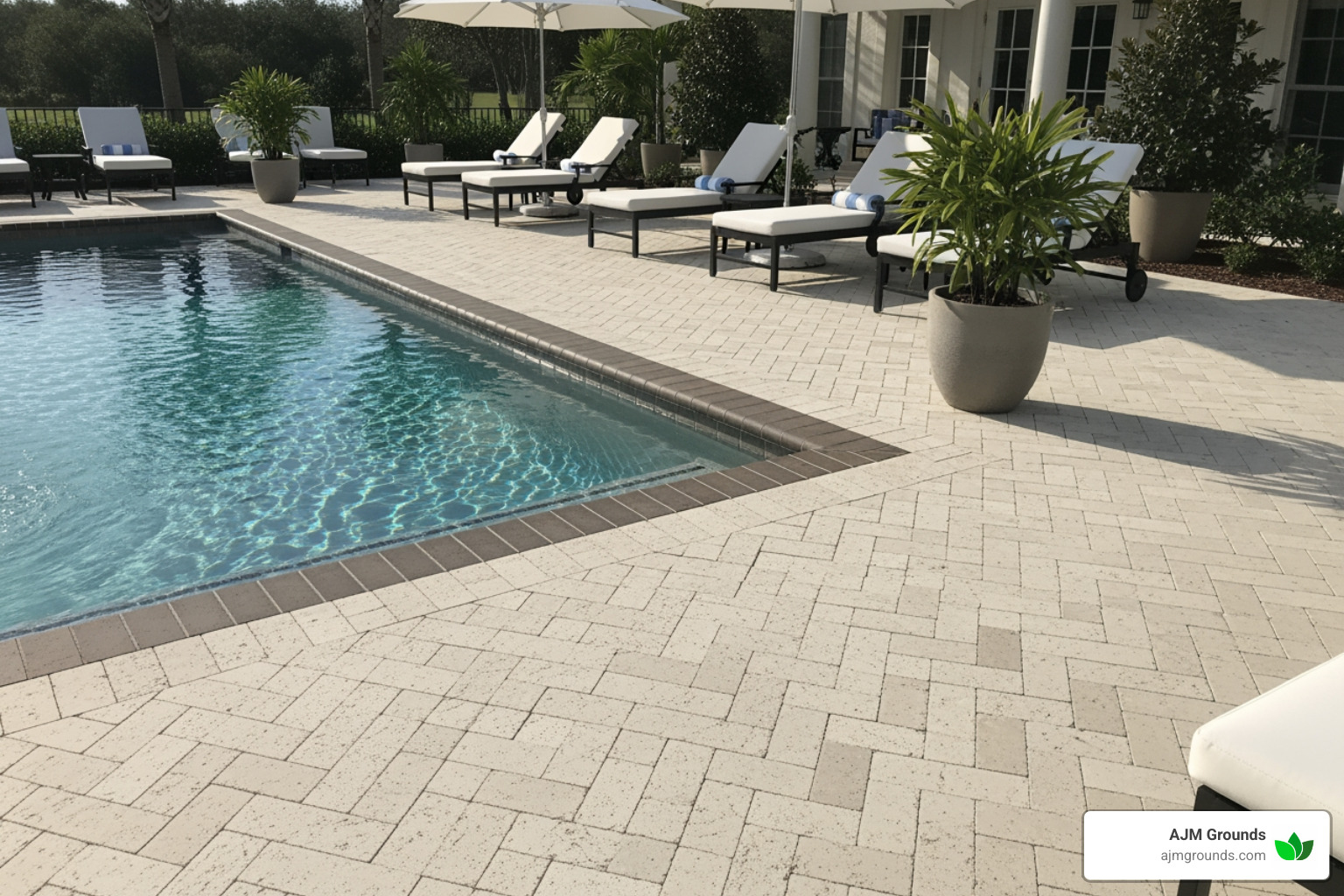
- Laying Patterns: Classic patterns like Herringbone and Basket Weave add visual interest, while Running Bond (staggered) and Stacked Bond (grid) offer a more contemporary feel.
- Large Format Pavers: Using large pavers (e.g., 24×24 inches) creates a sleek, modern look with fewer joint lines, making the space feel more expansive.
- Plank-Style Pavers: Get the look of a wood deck without the maintenance. These long, narrow pavers won’t rot or require staining.
- Mixing Materials: Create a custom look by using a contrasting border, creating a paver “rug” in a seating area, or integrating different colors and textures.
Our residential hardscape design team can help bring your vision to life.
Installation Essentials: Drainage, Coping, and Safety
Proper installation is what ensures your pool deck lasts for decades. Key elements include:
- Base Preparation: A robust, well-compacted base of crushed stone and sand is essential in New England to prevent shifting and settling from freeze-thaw cycles.
- Drainage: We design a subtle slope and can install channel drains to guide water away from the pool and your home’s foundation, protecting the paver base.
- Pool Coping: This is the finished edge around the pool. It provides a safe, non-slip grip for swimmers and protects the pool structure. Styles range from rounded Bullnose for comfort to clean Square Edge for a modern look.
- Safety & Sustainability: Professional installation ensures a level surface free of trip hazards. We also prioritize sustainable options, including eco-friendly LEED certifiable pavers and permeable pavers that help manage stormwater runoff. Learn more about our quality hardscaping services.
Budgeting, Lighting, and Maintaining Your New Pool Deck
With your design and materials in mind, the final steps involve planning your budget, adding finishing touches like lighting, and understanding the long-term care required to keep your investment looking pristine for decades.
Understanding the Cost of a Paver Pool Deck
Investing in pool deck pavers is a significant decision, and it’s important to understand the costs. Surprisingly, the pavers themselves often make up only about 20% of the total project budget. The majority of the cost covers:
- Site Preparation: Excavation, grading for drainage, and creating a stable sub-base.
- Base Materials: Layers of crushed stone and sand essential for longevity in our New England climate.
- Professional Labor: The skill required for precise laying, cutting, and compaction.
- Finishing Touches: Jointing sand, edge restraints, and pool coping.
Please note: The following cost information is based on national averages and is not a quote from AJM Grounds. Our pricing is customized for each project. The average installed cost for a paver pool deck can range from $15 to over $50 per square foot. Factors like design complexity and site accessibility also influence the final price. A well-installed paver deck is a valuable investment, potentially increasing your home’s value by 10-15%.
We’re always happy to provide a personalized estimate for your project, walking you through every aspect of the investment so there are no surprises.
Enhancing Your Deck with Lighting and Long-Term Paver Care
Finishing touches and proper care will keep your pool deck pavers beautiful and safe for years.
Hardscape Lighting: Integrated lighting is essential for safety and ambiance. Options like under-coping lights to illuminate the pool’s edge, pathway lights for safe navigation, and in-deck lights for a dramatic effect can transform your space after dark. Our hardscape lighting design services create a functional and enchanting evening retreat.
Long-Term Maintenance: Keeping your pavers pristine in the Winchester and Stoneham climate is straightforward with a few key practices:
- Regular Cleaning: Sweep away debris and wash with a mild detergent. Avoid aggressive pressure washing or wire brushes.
- Sealing: For concrete and most natural stone pavers, applying a sealant every 3-5 years protects against stains and UV fading. Porcelain pavers do not require sealing.
- Joint Maintenance: We use polymeric sand to fill joints, which hardens to prevent weeds and erosion while locking pavers in place.
- Winter Prep: Ensure your deck is clean and joints are filled before winter to prevent damage from freeze-thaw cycles.
At AJM Grounds, we provide guidance on maintaining your investment for a lifetime of enjoyment. Learn more about our expert hardscaping services and how we can create the perfect outdoor space for your family.