

Firepit Installers are the unsung architects of cozy outdoor living spaces. Whether you dream of a warm gathering spot for marshmallow roasting or an neat centerpiece for entertaining guests, fire pits add charm and value to any backyard. To quickly guide you in changing your area, here’s what to consider when hiring Firepit Installers:
- Choose the right location to ensure safety and optimal enjoyment.
- Decide between various styles like wood-burning or gas fire pits.
- Pay attention to regulations and possible permit requirements.
- Look at material options such as brick, stone, or metal.
- Set a budget and explore both standard and custom designs.
Fire pits aren’t just about warmth; they craft an atmosphere of togetherness and relaxation. By integrating custom designs, you can create an outdoor extension of your home that reflects personal flair and improves your lifestyle.
I’m John Caplis, owner of AJM Grounds in Woburn, MA, specializing in comprehensive landscaping and hardscaping services. With extensive expertise in Firepit Installers, my team and I are dedicated to bringing your vision to life, creating beautiful spaces custom to your needs.
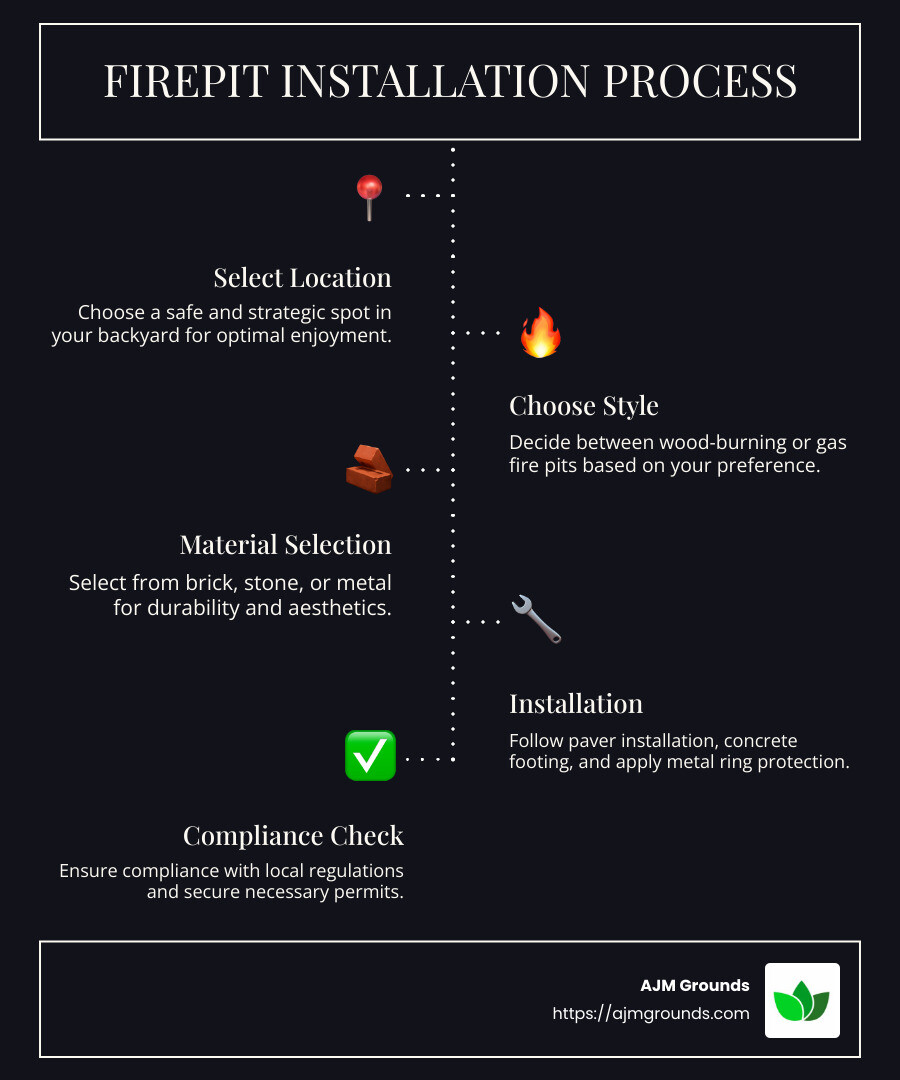
Firepit Installers basics:
Choosing the Right Firepit Installer
When it comes to creating the perfect fire pit, choosing the right installer is crucial. An experienced installer can transform your backyard into a cozy retreat or a stunning entertainment space. Here’s what you need to know about selecting the best firepit installer for your project.
Importance of Location
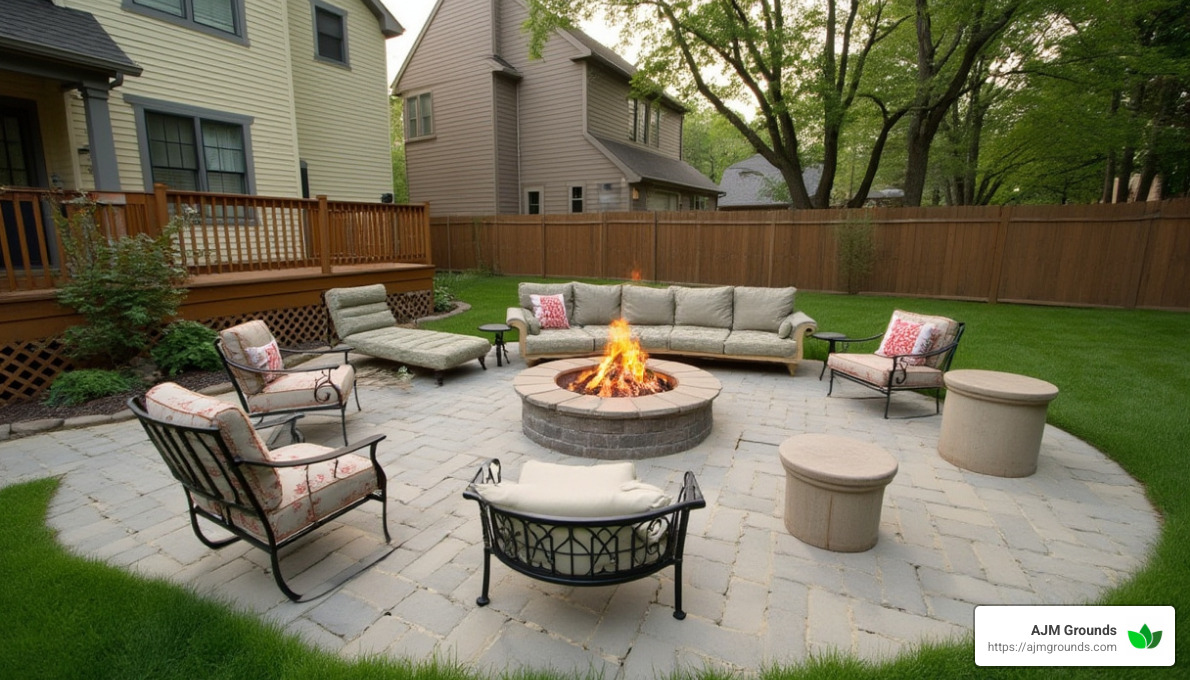
The first step in any fire pit installation is strategically choosing the location. This isn’t just about aesthetics—it’s about safety and functionality.
- Safety Considerations: Make sure the fire pit is placed away from structures, trees, and overhanging branches. This helps prevent fire hazards and ensures smoke doesn’t blow into seating areas.
- Optimal Enjoyment: Choose a spot that offers a comfortable space for gathering. A good rule of thumb is to have at least a 100-square-foot area around the fire pit for seating and movement.
Installation Techniques
Once the location is set, the next step is understanding the installation techniques. This includes selecting the right materials and methods to ensure durability and safety.
- Paver Installation: Many fire pits are built directly over patio pavers. This is a quick and efficient method that improves the beauty of your outdoor space.
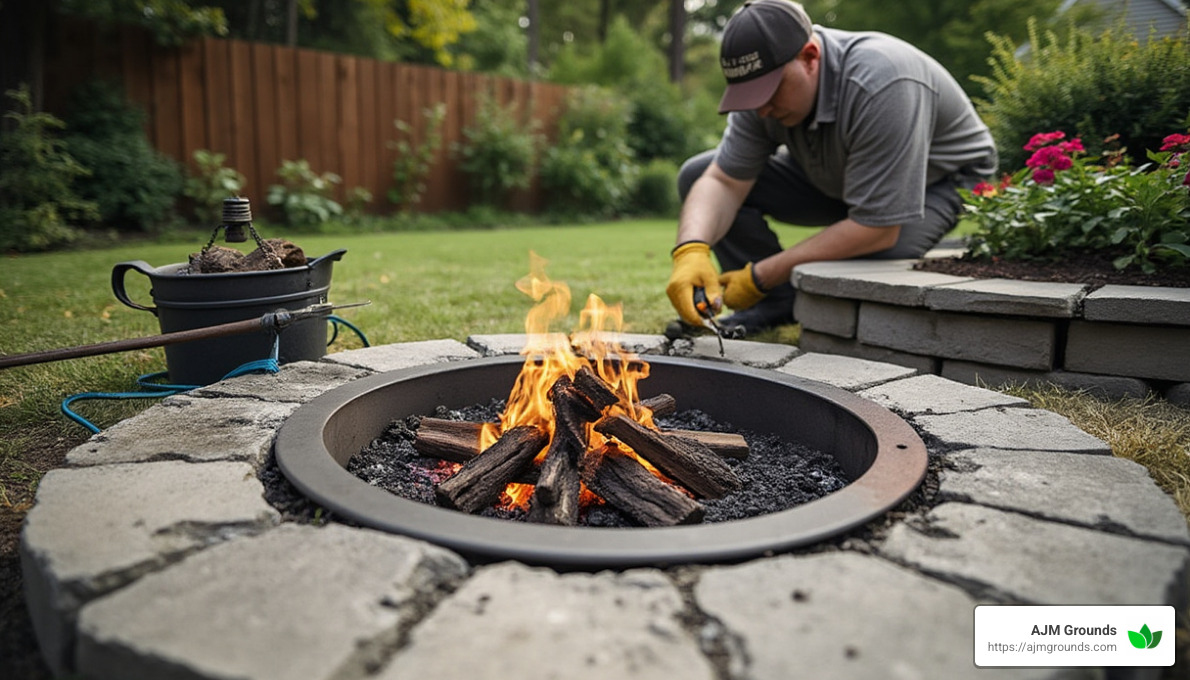
- Concrete Footing: For a more permanent installation, some choose to cut the fire pit into the patio and use a concrete footing. This provides a stable base and is often surrounded by a border for added aesthetic appeal. However, it requires more time and labor.
- Metal Ring Protection: To protect the fire pit from heat damage, installers often use a metal ring. This prevents cracking and extends the life of the fire pit.
Material Options
Choosing the right materials is essential for both the look and longevity of your fire pit.
- Brick and Stone: These materials offer a classic look and are durable enough to withstand high temperatures. They also blend well with various outdoor designs.
- Metal: Metal fire pits are modern and sleek, offering a contemporary aesthetic. They are also easy to maintain and install.
Selecting the right Firepit Installer involves understanding these crucial elements. By focusing on location, installation techniques, and material options, you can ensure a safe and beautiful addition to your outdoor space.
Next, we’ll explore the different types of fire pits you can choose from to suit your style and needs.
Types of Fire Pits
When it comes to choosing a fire pit, there are several options to consider, each with its unique benefits and design elements. Let’s explore the two most popular types: Wood-Burning Fire Pits and Gas Fire Pits.
Wood-Burning Fire Pits
Wood-burning fire pits offer a classic and rustic charm. They provide the authentic crackling sound and warm glow that many people love. Here’s what you need to know:
- Heat Protection: It’s crucial to ensure proper heat protection for wood-burning fire pits. Using fire bricks can help protect the structure from intense heat, preventing damage and prolonging the life of your fire pit.
- Fire Bricks: These bricks are specially designed to withstand high temperatures. They are often used to line the inside of the fire pit, providing a barrier against the heat.
- Ambiance: Wood-burning fire pits offer a more traditional and natural ambiance, making them a favorite for those who enjoy the outdoor camping feel.
Gas Fire Pits
Gas fire pits are all about convenience and modern design. They provide instant flames at the push of a button and are easier to maintain than their wood-burning counterparts.
- Ventilation: Proper ventilation is critical for gas fire pits. Ensuring that the fire pit is well-ventilated prevents gas buildup and reduces the risk of accidents.
- Safety Measures: Always follow the manufacturer’s guidelines for installation and use. This includes checking connections and ensuring the gas source is secure.
- Clean and Efficient: Gas fire pits produce fewer emissions and are cleaner than wood-burning options, making them environmentally friendly and easy to use.
Custom-Built Designs
For those looking to add a personal touch, custom-built fire pits offer endless possibilities. You can choose the shape, size, and materials to perfectly match your outdoor space.
- Materials: Options like concrete pavers, bricks, and natural stone can be used to create a unique look. These materials not only offer aesthetic appeal but also durability.
- Personalization: Whether you prefer a circular wood-burning pit or a sleek rectangular gas design, custom-built fire pits can be custom to fit your style and needs.
Choosing between wood-burning and gas fire pits depends on your preferences for ambiance, convenience, and maintenance. Both options can be customized to improve your outdoor living area, providing a warm and inviting space for family and friends.
Next, we’ll discuss the cost considerations involved in installing a fire pit, including budget-friendly options and high-end custom designs.
Cost Considerations
When planning to install a fire pit, understanding the cost is crucial. Prices can vary based on design, materials, and additional features. Let’s break down the options to help you choose what’s best for your budget.
Budget-Friendly Options
If you’re looking for a cost-effective way to add warmth to your outdoor space, there are several budget-friendly options to consider:
- Portable Units: These are a great choice for those who want flexibility. Portable fire pits can range from $50 to $200, making them an affordable option for many homeowners.
- Basic Installations: A simple, in-ground fire pit can be constructed for as little as $300 to $500. This basic setup involves minimal materials and labor, making it a budget-friendly option for those who want a permanent fixture.
- DIY Kits: For the handy homeowner, DIY fire pit kits are available. These kits typically cost between $100 and $400 and come with all the necessary materials and instructions for assembly.
High-End Custom Designs
For those with a larger budget, high-end custom fire pits offer luxury and personalization:
- Luxury Materials: Using materials like natural stone, high-quality bricks, and custom metalwork can significantly increase the cost. Expect to pay between $1,500 and $5,000 or more for these premium options.
- Personalized Features: Custom designs often include additional features like built-in seating, integrated lighting, or a surrounding patio area. These improvements not only add to the aesthetic appeal but also increase the overall cost.
- Complex Installations: Installing a fire pit with a concrete footing or intricate stonework requires skilled labor and can push the price to $10,000 or more, depending on the complexity and materials used.
Whether you’re opting for a budget-friendly portable unit or a high-end custom design, understanding the costs involved can help you make an informed decision. Next, we’ll address some frequently asked questions about firepit installations, such as permit requirements and safety distances.
Frequently Asked Questions about Firepit Installers
When it comes to installing a fire pit, there are a few common questions that often pop up. Let’s tackle these head-on to ensure you’re well-prepared and informed.
Do you need a permit for a fire pit?
In many places, you might need a permit to install a fire pit. This ensures safety and compliance with local regulations. For example, in California, a California Campfire Permit is required for open fires, including fire pits, in certain areas. Always check with your local authorities to understand the specific requirements in your area. Regulations can vary widely depending on your city or county, so it’s crucial to get the right information before starting your project.
How far should a fire pit be from a house?
Safety should always be a top priority when installing a fire pit. A good rule of thumb is to place your fire pit at least 10 to 20 feet away from any structures, including your house, garage, or other buildings. This distance helps prevent accidental fires and ensures that smoke doesn’t become a nuisance. Additionally, consider the proximity to trees or overhanging branches, as these can pose a fire hazard. By maintaining a safe distance, you can enjoy your fire pit with peace of mind.
How much does it cost to install a fire pit?
The cost of installing a fire pit can vary significantly based on several factors, such as the type of fire pit, materials used, and any additional features you might want. On average, a basic in-ground fire pit can cost between $300 and $500. If you’re looking for something more elaborate, like a custom-built design with luxury materials, the price can range from $1,500 to $5,000 or more. Complex installations with added features, such as built-in seating or integrated lighting, can push the cost to $10,000 or higher. It’s essential to set a budget and explore different options to find what best suits your needs and preferences.
Understanding these key aspects can make your fire pit installation process smoother and more enjoyable. With these FAQs in mind, you’re well on your way to creating a beautiful and functional outdoor space that you and your family will love.
Conclusion
Creating a cozy outdoor space with a fire pit can be a game-changer for your home. At AJM Grounds, we understand that every backyard is unique, and so are the needs of our clients. That’s why we offer personalized service and pay close attention to detail in every project we undertake.
Our team is committed to changing your vision into reality. Whether you dream of a simple wood-burning pit or a sophisticated gas fire feature, we have the expertise to deliver. Our focus on detail ensures that every element, from the choice of materials to the final installation, is carefully considered to meet your expectations.
We take pride in our attention to detail and strive to provide a seamless experience for our clients. From the initial consultation to the final reveal, we are with you every step of the way. Our goal is to create a fire pit that not only improves your outdoor living space but also provides a safe and enjoyable environment for you and your family.
If you’re ready to take the next step in enhancing your outdoor space, explore the possibilities with AJM Grounds. Let us help you create a custom fire pit that becomes the heart of your backyard gatherings. Contact us today to start your journey from blueprint to bonfire.
