

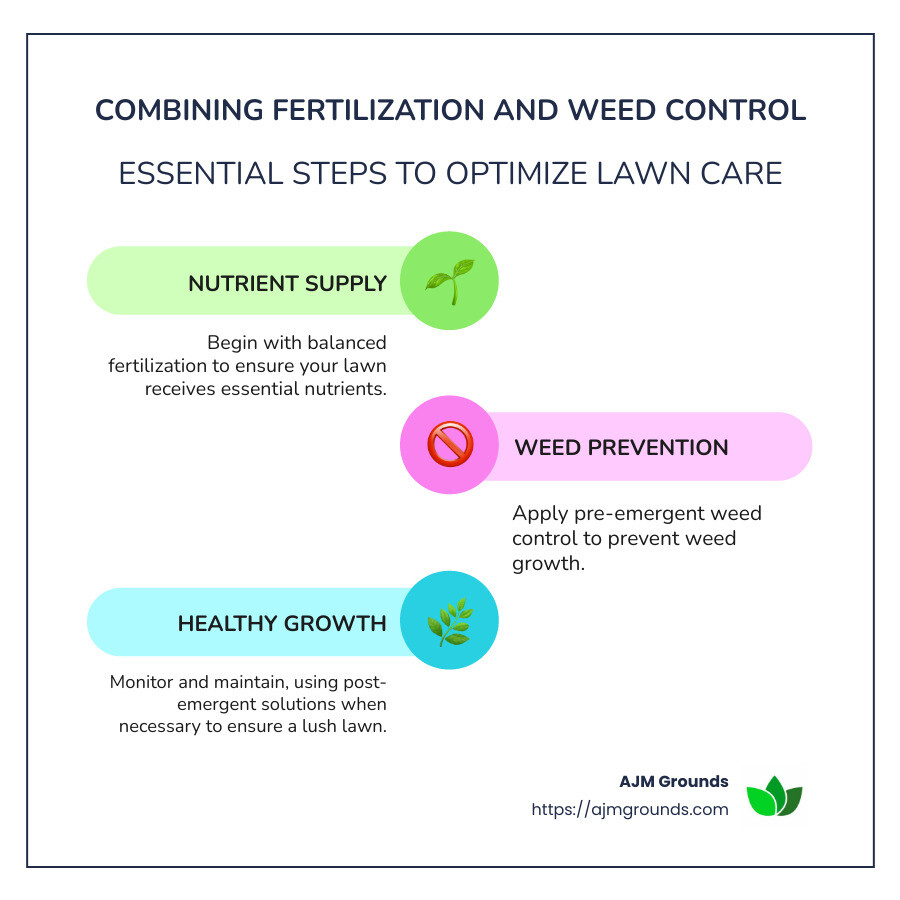
Fertilization and weed care are the dynamic duo in maintaining a beautiful and thriving lawn. When it comes to optimizing lawn health, understanding their role is crucial:
- Fertilization: Supplies essential nutrients to grass.
- Weed Control: Prevents weeds from stealing those nutrients.
- Combined Approach: Promotes a healthy, lush, and weed-free lawn.
Mastering the balance between fertilization and weed control could be the key to achieving that picture-perfect lawn.
Hello! I’m John Caplis, owner of AJM Grounds LLC. With years dedicated to changing landscapes in Woburn and beyond, I’ve seen how effective fertilization and weed care can make all the difference. Let’s dig into how these practices can revolutionize your outdoor space.
The Importance of Fertilization and Weed Care
A lush, green lawn doesn’t happen by accident. It requires a careful balance of fertilization and weed care. Here’s why these two practices are vital for maintaining lawn health:
Nutrient Replenishment
Grass needs a steady supply of nutrients to grow strong and vibrant. Fertilization provides these nutrients, such as nitrogen, phosphorus, and potassium, which are essential for healthy growth. Without them, grass can become weak and susceptible to diseases. According to AJM Grounds, using a balanced fertilizer or compost ensures that your lawn receives a consistent supply of these vital nutrients.
Weed Prevention
Weeds are not just an eyesore; they compete with your grass for nutrients, sunlight, and water. Without proper weed control, even the best-fertilized lawns can be overrun. This is why combining fertilization with weed prevention is crucial. By using both, you ensure that your grass gets what it needs to thrive while keeping unwanted plants at bay.
Lawn Health
A well-maintained lawn is more than just beautiful; it’s healthy and resilient. Healthy grass can better withstand drought, pests, and diseases. Regular fertilization and weed care create a robust lawn that can recover quickly from stress and maintain its lush appearance throughout the seasons.
By understanding the importance of these practices, you can transform your lawn into a green oasis that improves your home’s curb appeal and provides a welcoming space for outdoor activities.
How to Effectively Combine Fertilization and Weed Control
Combining fertilization and weed care is like giving your lawn a one-two punch for optimal health. But to get the best results, timing and application methods are key.
Timing
Timing is everything when it comes to lawn care. For warm-season grasses like Bermuda or Zoysia, aim to apply a combined pre-emergent and post-emergent treatment four times a year. The best times are usually in early spring and late fall, when soil temperatures are between 50-55 degrees Fahrenheit. This timing helps prevent weed seeds from germinating and targets any existing weeds.
In cooler climates, focus on early fall or spring for seeding and fertilizing cool-season grasses like Kentucky bluegrass. These seasons offer ideal soil temperatures for seed germination and root development.
Application Methods
Using the right application methods ensures that your lawn gets the most benefit from both fertilization and weed control. A broadcast spreader can help evenly distribute fertilizer and pre-emergents across your lawn. This method ensures that nutrients and weed preventatives reach every corner of your yard.
For post-emergents, a selective herbicide is best to target weeds without harming your grass. Remember to water in pre-emergents to activate them, and keep foot traffic to a minimum for at least a week after application.
Pre-Emergent and Post-Emergent
Pre-emergent treatments are your first line of defense against weeds. They stop weed seeds from germinating, so applying them early in the season is crucial. Think of it as setting up a barrier before weeds can even think about sprouting.
Post-emergent treatments, on the other hand, tackle weeds that have already appeared. These are best applied during your lawn’s peak growing season, which varies depending on your climate zone. For southern zones, this is typically between April and September.
By effectively combining these methods, you can maintain a healthy, beautiful lawn that’s free from weeds and full of vibrant, lush grass.
Best Practices for Fertilization and Weed Care
When it comes to fertilization and weed care, understanding the unique needs of your lawn is essential. From seasonal applications to considering soil and grass types, these best practices will guide you to a thriving, weed-free lawn.
Seasonal Applications
Timing your lawn care activities to the seasons is crucial. For lawns in warmer regions, fertilize 2-4 times a year between March and November. This aligns with the growing season, ensuring your grass gets the nutrients it needs when it’s actively growing.
In cooler climates, focus on early fall and spring for fertilizing. These seasons provide the best conditions for nutrient uptake and root development. Applying pre-emergents in early spring and late fall can help prevent weeds from taking over.
Soil Type
Your soil is the foundation of your lawn’s health. Conduct a soil test to determine its pH and nutrient levels. Knowing your soil type helps in selecting the right fertilizer formula. For example, sandy soils may require more frequent fertilization due to nutrient leaching, while clay soils hold nutrients longer.
Adjust your fertilization strategy based on these findings to ensure your lawn receives the right balance of nutrients.
Grass Type
Different grasses have different needs. Warm-season grasses like Bermuda and Zoysia thrive in the heat and require different care than cool-season grasses like Kentucky bluegrass or fescue.
For warm-season grasses, focus on fertilization during their active growing months, typically late spring through summer. Cool-season grasses benefit from fertilization in early fall and spring when they grow most vigorously.
Understanding your grass type allows you to tailor your fertilization and weed control efforts, ensuring a lush, healthy lawn year-round.
By aligning your lawn care practices with seasonal changes, soil conditions, and grass types, you can create an effective fertilization and weed care routine that keeps your lawn looking its best.
Frequently Asked Questions about Fertilization and Weed Care
Should I fertilize if I have weeds?
Absolutely! Fertilizing even when you have weeds is crucial. Weeds compete with your grass for nutrients. If your lawn is undernourished, weeds can take over quickly. By fertilizing, you help your grass grow stronger and outcompete those pesky weeds.
But remember: Fertilization and weed care should go hand in hand. Applying both ensures your grass gets the nutrients it needs while keeping weeds at bay.
How long after weed and feed can I fertilize?
Timing is everything. After applying a weed and feed product, you should typically wait about 4 to 6 weeks before fertilizing again. This waiting period allows the chemicals in the weed and feed to break down and do their job without interference.
During this time, keep an eye on your lawn. If you notice any nutrient deficiencies, consider consulting with a lawn care expert for custom advice.
Can you apply weed control and fertilizer at the same time?
Yes, you can! Many products offer combined treatments, known as “weed and feed,” which deliver both weed control and fertilization in one go. This practical approach saves time and ensures your lawn gets what it needs all at once.
However, follow the product instructions carefully to avoid over-application, which can harm your lawn. If in doubt, seek professional advice to ensure you’re using the right product for your specific lawn conditions.
By understanding the nuances of fertilization and weed care, you can maintain a healthy, vibrant lawn that resists weeds naturally.
Conclusion
At AJM Grounds, we believe that a lush, healthy lawn is more than just a patch of green—it’s a reflection of personalized care and attention to detail. Our expertise in fertilization and weed care ensures that every lawn we service in Woburn, MA, and surrounding areas receives the custom treatment it deserves.
A healthy lawn starts with the right balance of nutrients and effective weed control. By combining these two essential services, we help your grass grow stronger and more resilient. Our approach is not just about applying products; it’s about understanding the unique needs of your lawn and crafting a plan that promotes long-term health and beauty.
Our team takes pride in offering personalized service that meets your specific needs. Whether you’re a residential or commercial client, we work closely with you to develop a care plan that aligns with your goals. We don’t believe in one-size-fits-all solutions. Instead, we focus on creating a thriving landscape that you can enjoy year-round.
If you’re ready to transform your lawn into a vibrant oasis, contact us today to learn more about our comprehensive lawn care services. Let AJM Grounds be your partner in achieving the perfect lawn.
Explore our lawn fertilizing services and find how we can make your lawn the envy of the neighborhood!
