

Why Commercial Property Maintenance Matters for Your Business
Commercial Property Maintenance means regularly inspecting, fixing, cleaning, and upgrading your business property to keep it safe, attractive, and functional.
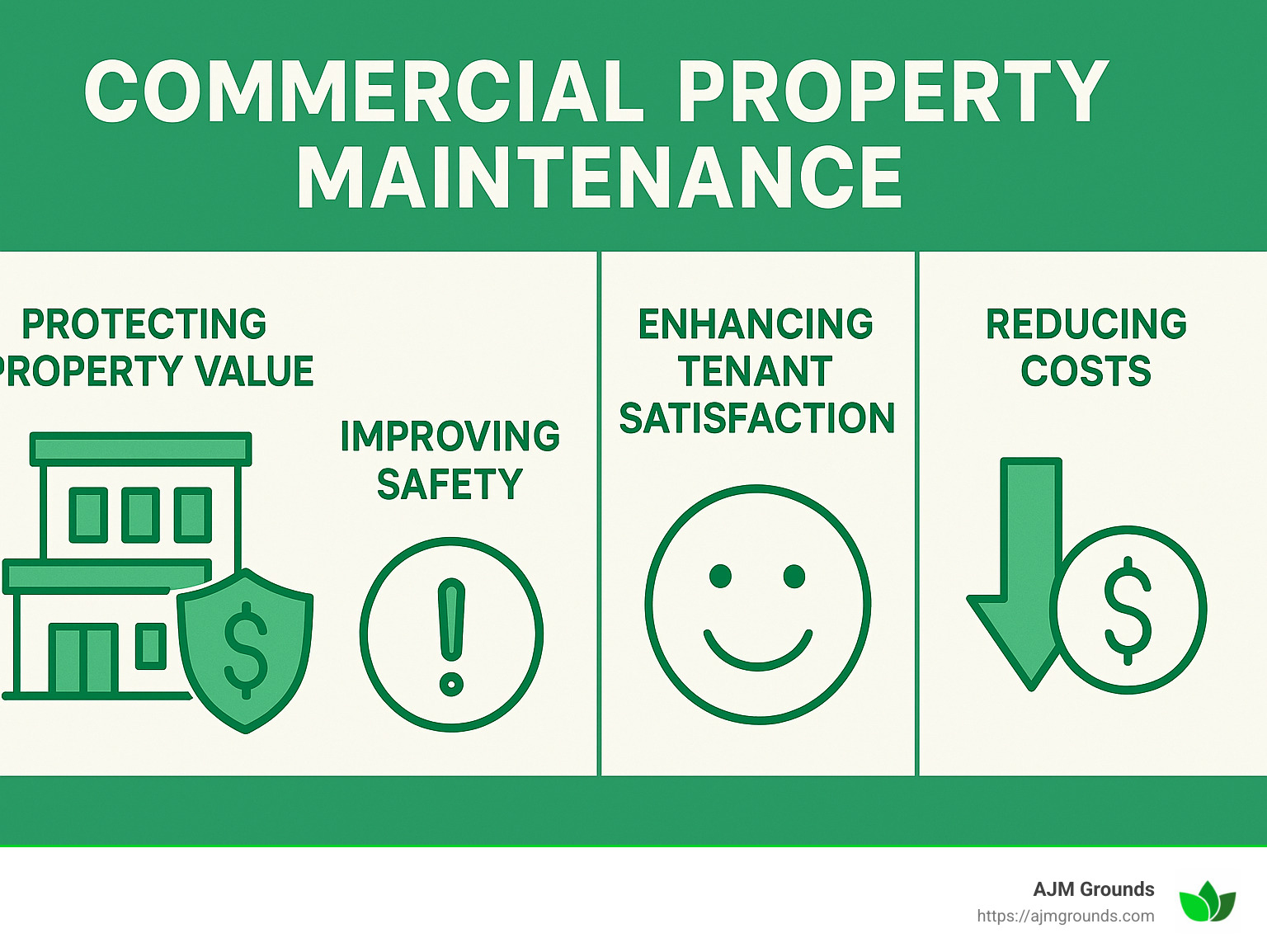
If you’re just looking for the basics, here’s a quick overview of why it’s vital:
- Protect Property Value: Regular upkeep maintains or increases your property’s market worth.
- Ensure Safety: Routine checks prevent accidents and potential legal issues.
- Improve Tenant Satisfaction: Better-maintained spaces keep tenants happier, leading to higher retention rates.
- Reduce Long-term Costs: Preventive maintenance catches minor issues before they turn into major, costly repairs.
I’m John Caplis, owner of AJM Grounds LLC. With years of experience handling Commercial Property Maintenance for businesses in Woburn, Massachusetts, my team and I help clients protect their investments and create inviting, safe spaces that tenants love.
Here’s a simple infographic summarizing the key benefits:
Quick Commercial Property Maintenance terms:
– corporate green spaces
– commercial landscape installation
– commercial landscape maintenance
Understanding Commercial Property Maintenance
Think of your commercial property as a living, breathing entity. It needs regular care, attention, and sometimes a little TLC to stay healthy and vibrant. Commercial Property Maintenance isn’t just about fixing things when they break—it’s a proactive approach that keeps your investment thriving year after year.
What is Commercial Property Maintenance?
Commercial Property Maintenance is the heartbeat of property management—it’s everything that goes into keeping a commercial building and its grounds in top-notch condition. From the foundation to the roof and everything in between, proper maintenance ensures your property remains safe, functional, and appealing.
When we talk about maintenance at AJM Grounds, we’re talking about a comprehensive approach that includes caring for your building’s infrastructure like roofing, HVAC systems, plumbing, and electrical components. We also focus on exterior elements such as facades, parking lots, and walkways that make the first impression on visitors. Inside, we maintain common areas, lighting, and flooring to create comfortable spaces for tenants and customers.
Beyond the building itself, maintenance extends to landscaping (something we’re particularly passionate about), safety systems like fire alarms and security, waste management, seasonal care like snow removal, and ensuring your property meets all regulatory requirements.
Each property tells its own story. A retail space in Burlington faces different challenges than an office complex in Winchester or an industrial facility in Billerica. That’s why we believe in customized maintenance approaches that address your property’s specific needs and character.
Why is Commercial Property Maintenance Important?
The value of Commercial Property Maintenance runs deeper than surface appearances. Let me share why it should be at the top of your priority list:
Property value isn’t static—it either appreciates or depreciates based largely on how well you maintain it. Regular maintenance prevents the kind of deterioration that can slash your property’s market value. As one property manager bluntly put it, “Your property won’t be worth much if it starts falling apart.” Those routine inspections and timely repairs are actually investments in your property’s future worth.
Safety isn’t something you can compromise on in commercial spaces. Well-maintained properties prevent accidents before they happen. That loose handrail, flickering electrical panel, or cracked sidewalk might seem minor today, but they could lead to serious injuries—and potential liability—tomorrow. Regular maintenance helps you identify and address these issues before they become hazards.
Happy tenants are loyal tenants, and nothing makes tenants happier than responsive maintenance. When the heating works in winter, the cooling works in summer, and repairs are handled promptly, tenants notice—and they’re more likely to renew their leases. This stability translates directly to your bottom line through reduced vacancy rates and steady income.
Your property speaks volumes about your business before anyone walks through the door. Peeling paint, overgrown landscaping, or burned-out lights send a message about attention to detail and professionalism—and it’s not a positive one. A well-maintained property reflects pride of ownership and signals to clients and customers that you’re serious about quality.
Emergency repairs are budget-busters. That small roof leak that could have been fixed for a few hundred dollars can turn into thousands in structural damage if left unaddressed. Preventive maintenance might feel like an expense, but it’s actually an insurance policy against these costly emergencies. Regular HVAC servicing, for instance, costs far less than emergency replacement on the hottest day of summer.
Regulatory compliance isn’t optional for commercial properties. From accessibility requirements to fire safety codes, your property needs to meet various standards. Regular maintenance helps ensure you stay compliant, avoiding potential fines and legal complications that can drain resources and damage your reputation.
At AJM Grounds, we’ve seen how strategic maintenance transforms commercial properties from ordinary to exceptional. It’s not just about fixing what’s broken—it’s about creating spaces where businesses can thrive, tenants feel valued, and your investment grows stronger with each passing year.
Types of Commercial Property Maintenance Tasks
Commercial Property Maintenance isn’t just about reacting when things break—it’s a strategic approach to keeping your property in top shape. To help simplify your maintenance planning, it’s helpful to think of tasks in three main categories: routine upkeep, preventive maintenance, and repairs and replacements.
Let’s explore what each of these really means, and how they fit together to keep your property safe, attractive, and valuable.

Routine Upkeep
Routine upkeep covers the daily, weekly, or monthly tasks that keep your commercial property clean and welcoming. Think of routine upkeep as the basic hygiene of your property—simple tasks that make a big difference over time.
Key routine upkeep activities include cleaning services—making sure restrooms, common areas, and exteriors look fresh and professional. Another essential part is landscaping, which involves regular mowing, shrub trimming, weed control, and seasonal plantings. Our team at AJM Grounds offers comprehensive Commercial Landscape Maintenance to keep your outdoor spaces looking sharp year-round.
Additional routine tasks are waste management—regular trash collection to avoid unsightly and unhealthy buildups—and snow and ice removal. Here in Massachusetts, winter storms aren’t exactly rare (we know, shocking!). Keeping parking lots and walkways clear is crucial for safety and accessibility.
Lastly, don’t forget about minor repairs. Small issues like burnt-out bulbs, leaky faucets, or scuffed walls might seem minor, but addressing them quickly avoids bigger headaches later. At AJM Grounds, we adjust our routine maintenance plans seasonally, making sure your property in Woburn, Lexington, Winchester, or wherever you are always remains inviting and professional.
Preventive Maintenance
Preventive maintenance is the next level up, proactively inspecting and servicing your property’s key systems to avoid costly breakdowns and disruptions. Think of preventive maintenance as regular doctor checkups for your property—catching small issues early before they become big problems.
These important checks include things like HVAC system inspections, ensuring your heating and cooling units run smoothly year-round. Roofing inspections identify problems early, preventing leaks from causing expensive water damage. Regularly checking your plumbing and electrical systems can also avoid outages or serious malfunctions.
Fire safety is another critical preventive area. Regular tests of fire alarms, sprinklers, and extinguishers help ensure these life-saving systems will function when needed most. Periodic structural inspections of your building’s framework can spot potential hazards before they compromise safety.
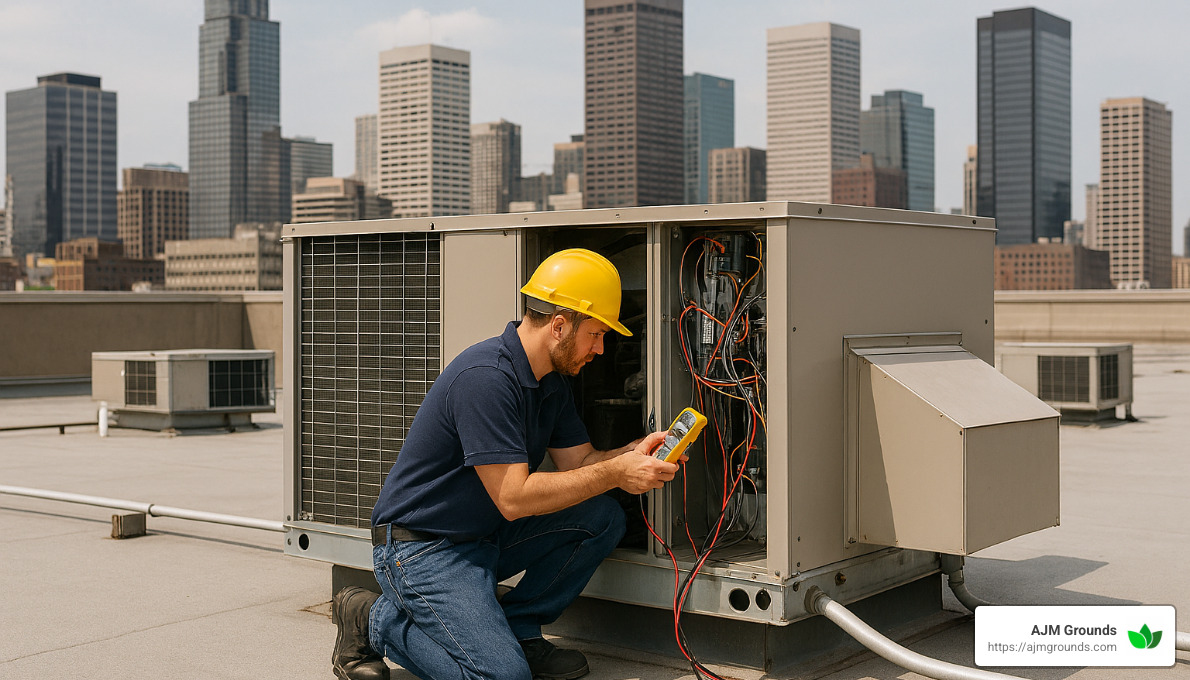
At AJM Grounds, we particularly emphasize seasonal preventive maintenance. For instance, properties in Bedford or Reading benefit from thorough heating system checks and roof inspections before winter hits. Staying ahead of Massachusetts’ harsh seasons saves you stress—and money—in the long run.
Repairs and Replacements
Even with excellent preventive care, things inevitably wear out. That’s where repairs and replacements come in. Think of it as sometimes needing shoes resoled or replacing a worn-out tire—eventually, everything needs a refresh.
Common areas needing attention include the building envelope—exterior walls, windows, doors, and roofing that keep the elements out. Over time, these surfaces need repairs to stay weatherproof. Likewise, major equipment like HVAC systems, water heaters, or lighting fixtures eventually need replacement to maintain efficiency, safety, and reliability.
Don’t overlook structural repairs, either. Foundations, columns, and support structures can sustain damage from weather, heavy usage, or age. Fixing these promptly is critical to avoiding bigger structural issues down the line. Similarly, worn flooring and deteriorated parking lots need resurfacing and replacement to keep your property safe and inviting.
The trick here is knowing when to repair and when it’s smarter—and more cost-effective—to replace. This isn’t always easy. At AJM Grounds, we help our clients weigh these decisions carefully. For instance, we helped a client in Stoneham evaluate their aging irrigation system. By comparing ongoing repair costs with the benefits of installing a newer, water-efficient system, we determined replacement was the smartest long-term investment.
When planned thoughtfully, timely repairs and replacements extend your property’s life, improve its value, and keep tenants happy.
Creating an Effective Commercial Property Maintenance Plan
An effective Commercial Property Maintenance plan is like a reliable GPS guiding you on a long road trip. Without it, you might still reach your destination—but it’ll definitely take longer, cost more, and leave you with some frustrating detours along the way.
Here’s the good news: putting together a smart, easy-to-follow plan isn’t complicated. It just takes a bit of organization, common sense, and a willingness to stay proactive.

Start With a Comprehensive Property Assessment
Think of this as your “maintenance baseline.” Before you do anything else, take the time for a thorough check-up of your property’s current condition. Examine all building systems, structures, equipment, and landscaping carefully.
Document what you find—including issues that need immediate attention and those that may become a problem later on. What gets measured gets managed, and clear documentation helps you prioritize tasks and budget accurately.
Create a Maintenance Task Inventory
Once you’ve taken stock, it’s time to get specific. Identify all maintenance activities required for your property—everything from routine landscaping and cleaning to seasonal HVAC checks and inspections.
Group tasks by type (routine upkeep, preventive maintenance, repairs) and frequency (daily, weekly, monthly, quarterly, annually). Creating an organized inventory makes your workload manageable and ensures nothing slips through the cracks.
Develop a Practical Maintenance Schedule
Scheduling tasks on a maintenance calendar is like meal prepping for the week—you’re more likely to stay on track if there’s a clear plan in front of you. Set realistic intervals based on the unique needs of your property, keeping seasonality and local conditions in mind.
For instance, in our Massachusetts climate, properties in towns like Burlington, Lexington, and Winchester require heavier landscaping maintenance in spring and summer, and thorough snow removal in winter.
By thoughtfully scheduling tasks, you’ll minimize disruptions to your tenants or business operations.
Clearly Assign Responsibilities
A great plan means nothing if you don’t know who’s responsible for actually doing the work. Clearly assign maintenance tasks to in-house staff, external contractors (like AJM Grounds), or specialized service providers.
At AJM Grounds, we often handle landscaping, snow removal, and seasonal maintenance tasks. But whoever you choose, clarity in assignment helps avoid confusion, ensures accountability, and keeps things running smoothly.
Set Up a Realistic Budget
Maintenance costs vary widely, and internet-based estimates suggest an average range from $1.50 to $6.00 per square foot, with high-end estimates running up to three times this amount (always remember, these numbers are just averages online—not specific AJM Grounds costs!).
When creating your budget, include allowances for routine tasks, preventive activities, and unexpected repairs or replacements. Building in a flexible contingency fund ensures you’re ready when surprises show up—and trust us, they always do!
For detailed maintenance benchmark data, organizations like IFMA offer valuable insights you can reference.
Implement a Simple, Effective Tracking System
Documentation might not be the most exciting part of commercial property maintenance, but it’s one of the most important. Implementing a tracking system—preferably digital—to record maintenance activities, completed repairs, and ongoing issues makes it easy to review your property’s history.
At AJM Grounds, we use digital records combined with photo documentation to ensure clear communication and transparency with our clients.
Regularly Review and Adjust Your Plan
Property maintenance isn’t a “set it and forget it” job. Conditions change, new technologies emerge, and unexpected situations arise. Schedule periodic reviews of your maintenance plan—at least quarterly—to evaluate its effectiveness and adjust tasks, schedules, and budgets as needed.
Comparing Different Maintenance Approaches
Not all maintenance plans are created equal. Here’s a quick look at how different types of plans compare, including our custom approach at AJM Grounds:
| Element | Basic Plan | Comprehensive Plan | AJM Grounds Approach |
|---|---|---|---|
| Assessment Frequency | Annual | Quarterly | Seasonal + As Needed |
| Documentation | Paper-based | Digital records | Digital + Photo documentation |
| Preventive Focus | Limited | Extensive | Customized by property type |
| Emergency Response | Standard hours | Extended hours | 24/7 for certain services |
| Budget Planning | Fixed annual | Flexible with contingency | Transparent with options |
At AJM Grounds, we’ve helped commercial property clients across Woburn, Wilmington, and beyond develop personalized maintenance plans designed around their specific needs and budgets. Our philosophy is simple: Commercial Property Maintenance done right focuses on being proactive rather than reactive, saving you money, stress, and headaches down the road.
The Role of Technology in Commercial Property Maintenance
Technology is changing the way we approach Commercial Property Maintenance—making it faster, smarter, and more cost-effective. Instead of simply fixing problems after they happen, modern tech helps us predict issues, streamline maintenance tasks, and keep properties running smoothly.
One of the most valuable technologies today is a Building Management System (BMS). These intelligent platforms integrate HVAC, lighting, security, and other essential systems into one central control point. With a BMS, you can monitor everything in real-time, spotting small problems long before they turn into big headaches. Think of it as your property’s nervous system, keeping you informed and responsive.
Another game-changer in maintenance is the Internet of Things (IoT). IoT devices—smart sensors installed throughout your property—track vital information like water usage, temperature, humidity, and equipment performance. For example, moisture sensors placed inside walls or ceilings can alert you to hidden leaks before water damage is visible. Similarly, vibration sensors on equipment can catch early signs of mechanical trouble, avoiding costly downtime. Curious about IoT? You can find the latest info on IoT devices here.
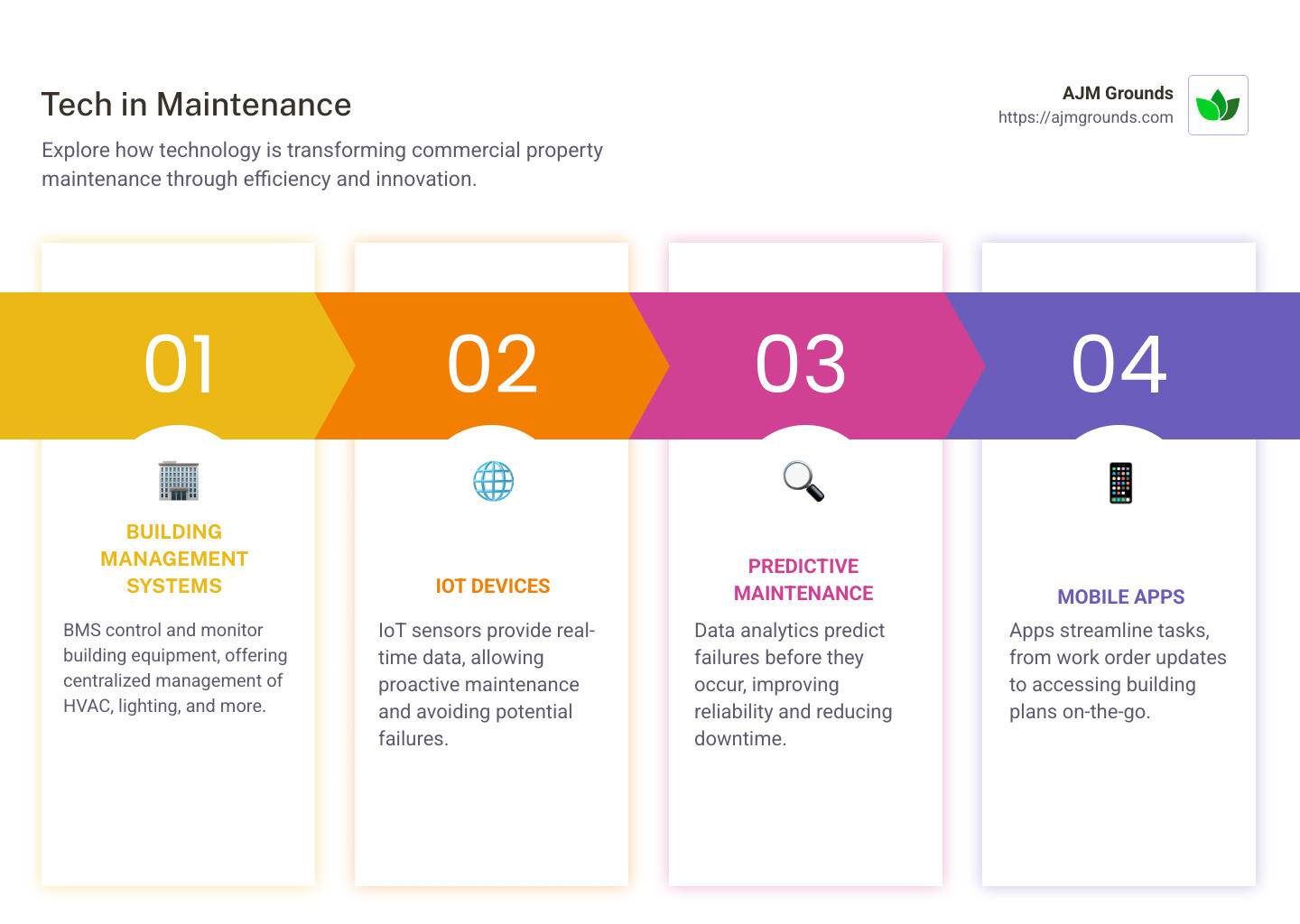
Mobile technology has also made maintenance life a whole lot easier. Mobile apps keep your maintenance team connected, organized, and efficient. Team members can quickly receive and update work orders, access built-in documentation and building plans, and even upload photos showing exactly what’s happening on-site. This instant communication helps your maintenance crew work smarter and faster—no more wasted time tracking down information or paperwork.
Meanwhile, advanced software using data analytics is helping property managers move from reactive to predictive maintenance. This means analyzing patterns from system data to forecast when equipment might need servicing or is close to failure. For instance, your HVAC system might seem normal on the surface, but analytics might reveal it’s working harder than usual—signaling a potential breakdown just waiting to happen. Predicting issues ahead of time saves money, prevents downtime, and keeps your tenants happier.
For hard-to-reach areas like roofs or facades, drone technology offers quick, safe inspections without needing ladders or scaffolding. High-resolution drone cameras can capture detailed images of your property’s exterior, so you can spot problem areas early—no climbing required. This reduces inspection costs and keeps workers safely grounded.
At AJM Grounds, we accept technology that adds real value to our commercial property maintenance services in areas like Lexington and Reading. We use digital documentation to track all maintenance activities, providing our clients detailed records complete with before-and-after photos. While we love modern tools (who doesn’t appreciate smart gadgets?), we always choose solutions that make practical sense for your property and budget. After all, technology should serve you—not the other way around.
Budgeting for Maintenance Costs
Let’s face it: budgeting isn’t exactly the most glamorous part of Commercial Property Maintenance, but it’s certainly one of the most important. Having a realistic budget helps you plan effectively, prevent surprise expenses, and keep your property in tip-top shape without breaking the bank.
Average Maintenance Costs
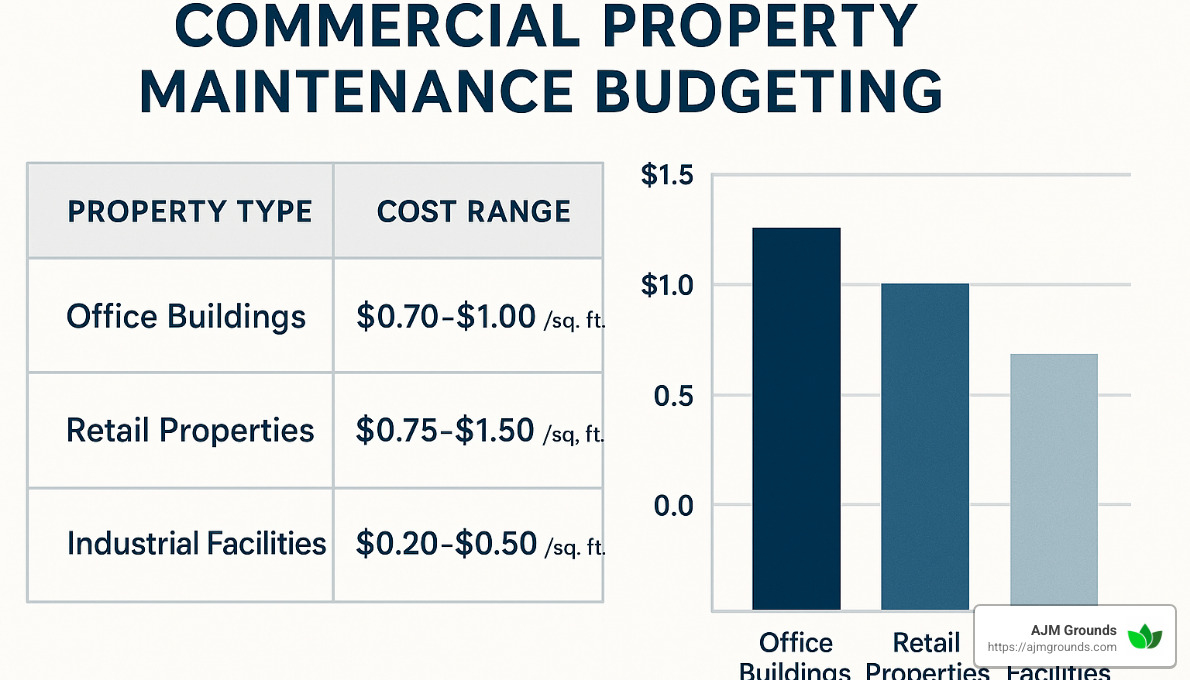
So, how much should you expect to budget? Industry averages based on internet data (not specific to AJM Grounds services) suggest that annual commercial property maintenance costs typically range:
- Office buildings: around $2.00 to $6.00 per square foot
- Retail properties: roughly $1.50 to $4.50 per square foot
- Industrial facilities: about $1.80 to $5.40 per square foot
Of course, these figures are averages, and real-world numbers can vary a lot. Factors like your property’s age, condition, location, local weather (especially those snowy winters we’re so familiar with in Woburn and Winchester!), and the quality level you’re aiming for can shift these numbers dramatically. In fact, high-end estimates can often reach up to three times the average, providing a good amount of wiggle room.
Here’s a handy visual to give you a clearer picture:
Effective Budgeting Methods
When it comes to figuring out your maintenance budget, there are a few tried-and-true strategies you can use.
The square footage method is a straightforward way to calculate budgets. You simply multiply your property’s total square footage by the average maintenance cost per square foot. For instance, a 20,000-square-foot office building at $2.50 per square foot would have an annual maintenance budget of about $50,000.
Another common approach is the percentage of asset value method. Typically, property managers set aside between 1% to 3% of the property’s total value each year for maintenance. So, if your property is valued at $5 million, you’d set aside between $50,000 to $150,000 annually.
The percentage of operating budget method involves dedicating 15% to 40% of your overall operating budget specifically to maintenance. This approach helps you align maintenance spending with your overall financial goals and constraints.
Finally, there’s the reserve study approach, a more detailed option. Here, you conduct a thorough assessment of all building components, estimate their expected lifespans, and factor in replacement costs. The result is a comprehensive long-term funding plan that anticipates future maintenance needs.
According to the International Facility Management Association, maintenance costs have risen in recent years. Aging infrastructure and integrating new technologies are driving this increase, making thoughtful budgeting even more crucial.
Budget Allocation Strategies
Once you have your overall budget figured out, how should you divide it up? Ideally, your maintenance budget should cover several key areas:
Routine, everyday maintenance tasks often take up the biggest share—usually about 50% to 60% of your total budget. This includes daily or weekly essentials like cleaning and landscaping.
Next, preventive maintenance typically accounts for around 20% to 30%. This includes scheduled checks and servicing of HVAC, plumbing, roofing, and electrical systems to catch problems early and save money down the road.
Corrective repairs—those fixes that pop up unexpectedly—usually make up about 10% to 15% of the budget. Even the best-maintained buildings have unforeseen issues from time to time.
Finally, it’s smart to earmark 5% to 10% as an emergency contingency fund. Trust us, you’ll breathe a lot easier knowing there’s money set aside specifically for surprises.
At AJM Grounds, we understand that every property has unique needs and a unique budget. That’s why we work closely with our clients across Woburn, Winchester, Burlington, and beyond, helping you build realistic, flexible maintenance budgets custom specifically for your property. We’ll always keep you informed about costs, present clear options, and help you steer those tricky financial decisions with confidence.
Benefits of Outsourcing Maintenance to Professionals
Taking care of your commercial property maintenance in-house may seem straightforward at first glance, but the reality can quickly become overwhelming. Between managing employees, purchasing specialized equipment, and keeping up-to-date on best practices, maintenance can easily become a full-time job all on its own. That’s where outsourcing shines.
When you partner with professional providers like AJM Grounds, you get access to specialized expertise and extensive experience. Our team includes seasoned landscaping and hardscaping professionals, along with experts in seasonal care and preventive maintenance. With years of experience under our belts, we quickly spot potential issues and fix them before they become costly headaches. Think of us as your property’s personal maintenance detectives—we notice the little things that might escape an untrained eye.
Another perk of outsourcing your Commercial Property Maintenance is gaining immediate access to specialized equipment and advanced technology. Let’s be honest—commercial-grade landscaping equipment, precision diagnostic tools, and high-tech building monitoring systems aren’t cheap. Investing in this equipment yourself might be cost-prohibitive, not to mention storage and upkeep headaches. With professionals like AJM Grounds, our clients in Bedford, Billerica, and surrounding communities enjoy the benefits of high-end equipment without worrying about storing, maintaining, or upgrading it.
Speaking of costs—working with maintenance pros is a surprisingly cost-efficient choice. You might initially think outsourcing means higher expenses, but it often saves you money in the long run. By partnering with us, you skip the ongoing costs associated with hiring and training in-house staff, providing employee benefits, and maintaining equipment. Plus, our experienced team minimizes costly errors that less specialized staff might make. We also have access to volume discounts on supplies and materials, passing those savings on to you.
Consistent and reliable service is another big advantage of outsourcing. In-house teams inevitably experience turnover, vacations, or sick days. But when you trust your maintenance responsibilities to a professional provider, you never have to worry about tasks falling through the cracks. At AJM Grounds, we ensure your property gets consistent attention—even during the busy winter months when snow removal is essential, or during the growing season when landscaping needs ramp up.
Perhaps the greatest advantage of outsourcing your maintenance is that it lets you focus on your core business. Instead of juggling maintenance tasks and property care, you spend your valuable time on activities that directly impact your company’s success. Our Commercial Landscape Installation services show this clearly; with our team handling your outdoor improvements, you can concentrate on running your business without distraction.
Finally, outsourcing also provides scalability and flexibility. Your maintenance needs naturally fluctuate throughout the seasons—more snow removal in winter, increased planting and mowing in spring and summer. Working with AJM Grounds, our clients in Woburn, Stoneham, and nearby towns benefit from flexible service plans that adapt to changing demands, while always maintaining our high standards for quality.
By choosing professional maintenance partners like AJM Grounds, you simplify your life, reduce your overall costs, and ensure your property always looks and functions beautifully—and isn’t that what great Commercial Property Maintenance is all about?
Enhancing Tenant Satisfaction and Retention through Maintenance
One of the biggest—and often underestimated—advantages of effective Commercial Property Maintenance is how it directly boosts tenant happiness and keeps them renewing their leases. Let’s be honest: tenant turnover is expensive. Between lost rent, advertising vacancies, and improvements you may need for new tenants, keeping your current occupants happy makes a lot of financial sense.
A well-maintained property sends a clear message: you care about your tenants and their comfort. As the saying goes, “A well-maintained property is more appealing to both tenants and potential buyers.” When tenants pull into a freshly landscaped parking lot, see clean walkways, and enter a building that’s clearly cared for, it immediately sets a positive tone. First impressions matter—especially for retail businesses that rely on customer traffic and offices where clients frequently visit.
Comfort and functionality are basic expectations tenants have, and property maintenance directly addresses these needs. Reliable HVAC systems, proper lighting, and plumbing that actually works aren’t nice-to-haves—they’re essentials. When these basics fail, tenants can struggle to run their businesses effectively. Imagine a retail store with no air conditioning in August (yikes!), or an office building where leaking pipes cause awkward hallway puddles. Proper maintenance prevents these nightmare scenarios.
Responsiveness is another crucial factor. When tenants report maintenance issues, they expect quick action. Being prompt and effective in resolving these problems demonstrates that you respect your tenants’ needs and time. At AJM Grounds, our crews here in Woburn, MA, prioritize timely responses and clear communication. We handle landscape and outdoor maintenance efficiently so tenants and their customers always enjoy welcoming, well-kept outdoor spaces.
Regular maintenance also directly supports tenant businesses. There’s nothing worse than hearing about a tenant losing income because the property wasn’t maintained. An office tenant forced to close early due to plumbing troubles isn’t likely to remain satisfied—or stick around long-term. Similarly, retail tenants need a comfortable environment for their customers to shop. Preventive maintenance reduces these business interruptions, making tenants grateful for a property management team that’s proactive about upkeep.
Beyond comfort and responsiveness, tenants appreciate knowing they’re getting great value for their rent. Well-maintained properties can justify premium rental rates, keeping tenants satisfied they’re investing wisely. Tenants who see the value in their rent are far more likely to renew leases, even if rents gradually rise.
If you’re wondering how to improve tenant satisfaction through maintenance, here are a few key strategies:
- Implement a simple, responsive maintenance request system. Tenants love knowing exactly how and when their issues will be resolved.
- Communicate proactively and consistently about upcoming maintenance tasks, especially those that might impact tenant operations. Nobody likes unexpected surprises—especially during busy workdays.
- Stay ahead of problems with regular property inspections. Catching and resolving issues before tenants even notice them shows you’re paying attention.
- Listen actively to tenant feedback. Regularly ask tenants about their maintenance experiences and act on their suggestions.
- Prioritize preventive maintenance to reduce surprise breakdowns and emergency calls. Preventive work means fewer disruptions for tenants and lower stress levels for everyone involved.
At AJM Grounds, we work closely with clients throughout Burlington, Wilmington, and nearby areas, crafting maintenance plans that fit each property’s unique needs. We schedule tasks in ways that minimize disruption to tenants’ daily operations, ensuring consistent upkeep without unnecessary headaches. The result? Happy tenants, longer lease commitments, and fewer vacancies—and that’s good business for everyone.
Ensuring Compliance with Safety and Regulatory Standards
Compliance might not sound exciting (let’s be honest, it usually doesn’t), but it’s absolutely essential for effective Commercial Property Maintenance. Following safety rules and regulations protects the people who use your property, reduces your legal risks, and helps maintain your property’s value and reputation.
One critical area is building code compliance. Local building codes set standards for everything from structural safety to accessibility and fire prevention. Regular inspections are key to ensuring your property remains compliant, especially after any renovations or major repairs. Overlooking even small details—like maintaining proper stairway railings or ensuring accessible entrances—can lead to hefty fines or even legal trouble. Keeping on top of these inspections is like having regular dental check-ups—far less painful than fixing problems later!
Fire safety is another compliance cornerstone. Fire alarm systems, sprinklers, emergency lighting, exit signs, fire doors, and fire extinguishers must be regularly tested and serviced. Most jurisdictions will require documented proof that these systems have been maintained properly. Staying ahead of these requirements helps ensure that, if a fire ever occurs (fingers crossed it doesn’t!), your safety systems will function perfectly to protect lives and property.
Don’t forget about accessibility standards under the Americans with Disabilities Act (ADA). Regular maintenance ensures your property stays compliant by keeping accessible routes clear, maintaining ramps and accessible parking spots, checking door pressure and hardware, and ensuring signage remains clear and visible. Ignoring ADA compliance isn’t just bad form—it’s also risky business, potentially leading to costly lawsuits or penalties.
Environmental regulations are just as vital. These include proper handling and disposal of hazardous materials, maintaining stormwater management systems, and staying compliant with air quality rules. Also, certain jurisdictions are starting to require properties to meet specific energy efficiency standards. Staying ahead environmentally isn’t just good for compliance—it’s good for the planet (and your utility bills).
Last but certainly not least, health and safety standards require routine attention. Regular checks should focus on issues that impact occupant health and safety, such as indoor air and water quality, pest control, adequate lighting, and slip-and-fall hazards. It might not sound glamorous, but keeping tenants healthy and safe is a huge part of keeping them happy and staying in business.
Still awake? Great! Here are some best practices to make sure you’re always compliance-ready:
- Keep detailed records of all compliance-related inspections, tests, and maintenance activities. Good documentation saves headaches later on.
- Create a simple compliance calendar to help track when inspections or certifications are due—no more last-minute panic!
- Stay informed about local regulatory changes. Rules can change, and you don’t want to be caught off guard.
- Conduct periodic compliance audits to catch and fix issues before official inspections.
- Partner with qualified service providers who know compliance inside and out.
At AJM Grounds, we take compliance seriously, integrating regulatory standards into every aspect of our exterior and landscape maintenance services—from stormwater management to accessibility and environmental regulations. Whether you’re managing properties in Lexington, Reading, or right here in Woburn, we’ve got you covered, providing peace of mind and helping you steer clear of costly compliance headaches.
Integrating Green and Sustainable Practices into Maintenance
Sustainable Commercial Property Maintenance isn’t just good for the environment—it can reduce operating costs, appeal to environmentally conscious tenants, and improve property value. Integrating green practices into your maintenance program is increasingly becoming a competitive advantage.

Energy Efficiency Improvements
When we talk about greening your commercial property, energy efficiency is often the first place to start. The lighting in your building offers one of the quickest returns on investment. Replacing traditional lighting with LED technology can reduce energy consumption by up to 75%, and you’ll change those bulbs far less frequently too—a win-win for both maintenance schedules and utility bills.
Your HVAC system is another major energy consumer. Regular maintenance keeps it running efficiently, but when it’s time for an upgrade, newer systems can dramatically cut energy use. I’ve seen property managers in Woburn and Burlington shocked at how quickly these investments pay for themselves through lower monthly bills.
The building envelope—your property’s skin—plays a huge role in energy efficiency too. Better insulation, weather-stripping, and window treatments reduce heating and cooling demands. Think of it as putting a good coat on your building in winter and sunscreen in summer.
Water Conservation Measures
Water has become an increasingly precious resource, especially during our New England dry spells. Smart irrigation systems that adjust watering schedules based on weather conditions can cut outdoor water use by 30-50%. When a rainstorm is coming, why waste money watering the lawn?
Inside the building, low-flow fixtures make a big difference without sacrificing performance. Today’s water-efficient toilets, faucets, and showerheads work beautifully while using a fraction of the water older models required.
Leak detection might seem minor, but those drips add up. A single leaking toilet can waste 200 gallons per day—that’s thousands of dollars annually for larger properties. At AJM Grounds, we implement water-efficient landscaping practices for our commercial clients in Woburn and surrounding areas, helping them reduce water consumption while maintaining attractive outdoor spaces.
Sustainable Landscaping
Your landscape makes a powerful first impression, and it can be both beautiful and environmentally friendly. Native plants adapted to local conditions naturally require less water, fertilizer, and pesticide. They’re already programmed to thrive in our Massachusetts climate without constant coddling.
When pests do appear, integrated pest management takes a smarter approach than just spraying chemicals. By identifying the specific pest problems and using targeted solutions (often non-chemical), you protect beneficial insects while controlling the troublemakers.
Composting landscape waste and applying mulch completes the natural cycle, improving soil health and reducing the need for fertilizers. It’s nature’s way of recycling, and it works beautifully in commercial settings.
Eco-Friendly Cleaning and Maintenance Products
The products used to maintain your property affect both the environment and the people who spend time there. Green cleaning products have come a long way—today’s options clean effectively without harsh chemicals that can affect indoor air quality and occupant health.
When it’s time to paint, low-VOC (volatile organic compound) paints and finishes improve indoor air quality during and after application. Your tenants will notice the difference—no more lingering paint smell for weeks after a refresh.
Even maintenance materials themselves can be more sustainable. Recycled and recyclable materials reduce environmental impact while often performing just as well as conventional options.
Waste Reduction and Recycling
A comprehensive recycling program is the foundation of sustainable waste management. Clear signage, convenient bin placement, and regular education help ensure materials actually get recycled rather than contaminating the waste stream.
Construction and renovation projects generate significant waste, but with proper planning, much of it can be diverted from landfills. Materials like concrete, metal, and wood can often find new life rather than ending up in a dumpster.
Electronic waste deserves special attention due to hazardous components. Responsible disposal protects against contamination while often recovering valuable materials. Many communities now offer specific e-waste collection services for commercial properties.
The benefits of embracing these sustainable practices extend far beyond environmental impact. While some sustainable upgrades require initial investment, many result in significant operational cost savings over time. Properties with green certifications often attract environmentally conscious tenants willing to pay premium rents, giving you a marketing edge in competitive markets.
Improved indoor environmental quality leads to healthier spaces, potentially reducing tenant sick days and improving productivity—something tenants increasingly value. As environmental regulations tighten, sustainable practices also help ensure ongoing compliance, reducing your regulatory risk.
At AJM Grounds, we advise our clients in Bedford, Billerica, and beyond on sustainable landscaping practices that conserve resources while enhancing property appearance. We understand that environmental responsibility must balance with practical, cost-effective solutions. Every property has unique needs, and we tailor our approach accordingly, finding the sweet spot where sustainability meets your specific requirements and budget constraints.
Going green doesn’t have to happen all at once. Small, strategic changes implemented consistently over time can transform your property maintenance approach while keeping costs manageable. The journey toward sustainability is a marathon, not a sprint—and every step in the right direction benefits both your property and our shared environment.
Frequently Asked Questions about Commercial Property Maintenance
What are the average costs of commercial property maintenance?
Commercial property maintenance costs can vary widely, and it’s understandable to wonder what to budget for your property. While the exact numbers depend on various factors like property size, type, age, and location, average annual costs typically range between $1.50 and $6.00 per square foot, based on industry data found online (note: these figures aren’t specific to AJM Grounds services).
For instance, office buildings usually average around $2.15 per square foot annually, but older or more intricate properties might see costs climb as high as $6.45 per square foot. Retail properties are often slightly less expensive, running between $1.50 and $2.00 per square foot on average, though premium retail locations needing extensive care could approach $6.00 per square foot. High-end properties, or those requiring substantial maintenance, occasionally reach even higher levels—often $7.50 to $15.00 per square foot.
Here’s a helpful budgeting tip many property managers use: set aside between 1% and 3% of your property’s value each year for maintenance. For example, if your property is valued at $5 million, you’d typically budget $50,000 to $150,000 annually to keep things running smoothly.
Of course, these figures provide broad guidelines based on industry averages. Your actual expenses will depend greatly on your property’s unique characteristics and the maintenance quality you aim for. (For detailed benchmarks, the International Facility Management Association (IFMA) offers comprehensive data.)
How does technology improve maintenance operations?
Technology has been a game-changer in Commercial Property Maintenance, making maintenance quicker, smarter, and sometimes even a bit more fun (well, at least less stressful!).
Real-time monitoring through Internet of Things (IoT) devices is one of the biggest improvements. Sensors placed throughout your building can detect potential issues like water leaks, unusual equipment vibrations, or unexpected temperature changes before they become major headaches. No more unpleasant surprises—just quick, proactive fixes.
Another great advantage is predictive maintenance. Using data analytics, sophisticated software can examine trends in equipment performance and predict when something is likely to wear out or break down. That way, you can schedule repairs during off-peak hours instead of dealing with emergency breakdowns right when you’re about to enjoy your weekend.
Communication between tenants, property managers, and maintenance staff is also simplified with mobile apps and digital platforms. These tools let your tenants instantly report issues, track progress, and receive notifications when problems are resolved. With streamlined communication, response times often improve dramatically. (In one Winchester property, implementing a digital maintenance request system cut response times by 40% and significantly boosted tenant satisfaction.)
Technology also makes your maintenance efforts easier to track and manage. Digital documentation creates comprehensive records of past repairs, upcoming maintenance tasks, and recurring issues. This detailed history helps you plan future maintenance tasks more efficiently and ensures compliance with safety and regulatory requirements.
Finally, building management systems (BMS) integrate multiple building systems into a centralized control. HVAC, lighting, and security can all be monitored and optimized from one central point, saving time, money, and energy.
To learn more about IoT devices, check out the latest information on IoT technologies.
Why is preventive maintenance important?
You’ve probably heard the old saying, “an ounce of prevention is worth a pound of cure.” Well, in Commercial Property Maintenance, this couldn’t be more accurate. Preventive maintenance means regularly checking and servicing your property’s systems and equipment before something goes wrong, rather than waiting until it’s too late.
One of the biggest benefits is cost savings. On average, preventive maintenance costs three to five times less than fixing something after it breaks. Think of it this way: changing your HVAC filters regularly and performing routine checks might only cost a few hundred dollars a year. But letting the system break down completely could cost thousands—not to mention leaving your tenants sweating (literally!).
Preventive maintenance also significantly extends equipment lifespan. Regularly serviced systems tend to last years longer, meaning you won’t have to invest in replacements as often. Your budget (and tenants) will thank you.
Another key benefit is less downtime and disruption. Scheduled maintenance allows you to pick convenient times—like after-hours or weekends—to handle repairs without interfering with daily operations. Fewer disruptions help keep your tenants satisfied and your property running smoothly.
Safety and energy efficiency are also improved through preventive maintenance. Regular checks of safety systems like fire alarms and sprinkler systems keep your property compliant with safety regulations and reduce risks. Properly maintained HVAC and electrical systems not only function safely but also operate more efficiently, lowering your energy bills.
At AJM Grounds, preventive maintenance is at the heart of what we do, especially with our landscaping services. For our commercial clients in places like Stoneham and Burlington, routine irrigation checks keep their outdoor spaces thriving, avoiding landscaping disasters and costly water waste.
In short, preventive maintenance helps your budget, your tenants, and your peace of mind. It’s one investment that always pays off.
Conclusion
Effective Commercial Property Maintenance is more than just checking off tasks on a list—it’s about proactively protecting and enhancing your investment. As we’ve explored throughout this guide, thoughtful maintenance isn’t just good property management; it’s great business practice.
Regular, proactive maintenance is your property’s best friend. It preserves your asset’s value, keeps tenants happier, and helps you avoid those emergency repairs that always seem to come at the worst possible moments. By staying ahead of wear and tear, you’ll keep minor issues from snowballing into costly headaches.
A truly effective maintenance plan doesn’t stop at routine tasks. It should cover preventive care, such as scheduled inspections of HVAC, roofing, plumbing, and fire safety systems. It also factors in corrective measures, like timely repairs and replacements, ensuring you maximize the lifespan of your equipment and structural elements. After all, preventive work today means fewer problems tomorrow.
Technology continues to transform maintenance practices. From IoT devices that detect leaks or equipment problems in real-time to predictive maintenance software that anticipates issues before they happen, technology helps you stay ahead of costly breakdowns and disruptions. Even simple tools like mobile maintenance apps streamline communication, creating a smoother experience for everyone involved.
Outsourcing your maintenance to professionals offers many advantages—specialized expertise, greater efficiency, access to state-of-the-art equipment, and consistent, reliable service. By putting your property’s maintenance in experienced hands, you can focus on what you do best: running and growing your business.
Integrating sustainability into your maintenance plan isn’t just good for the planet; it also benefits your bottom line. Energy-efficient lighting, water-saving irrigation systems, and eco-friendly landscaping practices all lead to lower utility bills and operating costs while attracting tenants who care about sustainability.
A well-maintained property directly impacts tenant satisfaction and retention rates. It communicates that you value your tenants’ comfort and safety, supporting their business success and encouraging lease renewals—even at premium rental rates. As the saying goes, “A well-maintained property is more appealing to both tenants and potential buyers.”
At AJM Grounds, we recognize that every commercial property in Woburn, Bedford, Billerica, Burlington, Lexington, Reading, Stoneham, Wilmington, and Winchester has its own unique maintenance needs. Our personalized, detail-oriented approach to Commercial Landscaping Services helps you lift your property’s appearance and functionality, enhancing its value and market appeal.
We believe quality maintenance is an investment, not an expense. The time, energy, and resources you dedicate to proper upkeep yield tangible returns: higher property values, satisfied tenants, reduced long-term costs, and fewer emergency surprises.
Whether you’re developing a new maintenance plan or looking to improve your existing approach, consistency is key. Regular attention, guided by expertise and supported by technology, will protect your commercial property for years to come.
Ready to discuss how AJM Grounds can help you achieve your Commercial Property Maintenance goals? Reach out today—we’re here to help you create a safe, attractive, and valuable commercial property that shines in Massachusetts’ competitive market.
