

Why Proper Bed Preparation is the Foundation of a Healthy Lawn
How to install a new seed lawn bed preparation comes down to six essential stages. Each step builds on the last to create the ideal environment for grass seed to germinate and thrive, ensuring the quality of your lawn for years to come.
The 6 Essential Stages:
- Time It Right – Plant cool-season grasses in spring or early fall, and warm-season grasses in early summer.
- Test Your Soil – Aim for a pH between 6.0-7.0 and add amendments as needed.
- Prepare the Ground – Clear debris, remove old vegetation, and till the top 3-5 inches of soil.
- Level and Fertilize – Rake the area smooth, ensure proper drainage, and apply a starter fertilizer.
- Seed Evenly – Use a spreader in perpendicular directions and lightly rake for seed-to-soil contact.
- Protect and Water – Cover with straw or mulch, then water daily to keep the top inch of soil moist.
The difference between a lawn that thrives for decades and one that needs constant repair starts before you ever drop a single seed. Poor soil, improper grading, or rushing the timeline can doom even the highest-quality grass seed.
I’m John Caplis, owner of AJM Grounds LLC, and I’ve spent years helping homeowners in Woburn, Massachusetts transform bare earth into lush lawns. Proper preparation isn’t just moving dirt around—it’s about creating the ideal foundation for strong, deep roots.
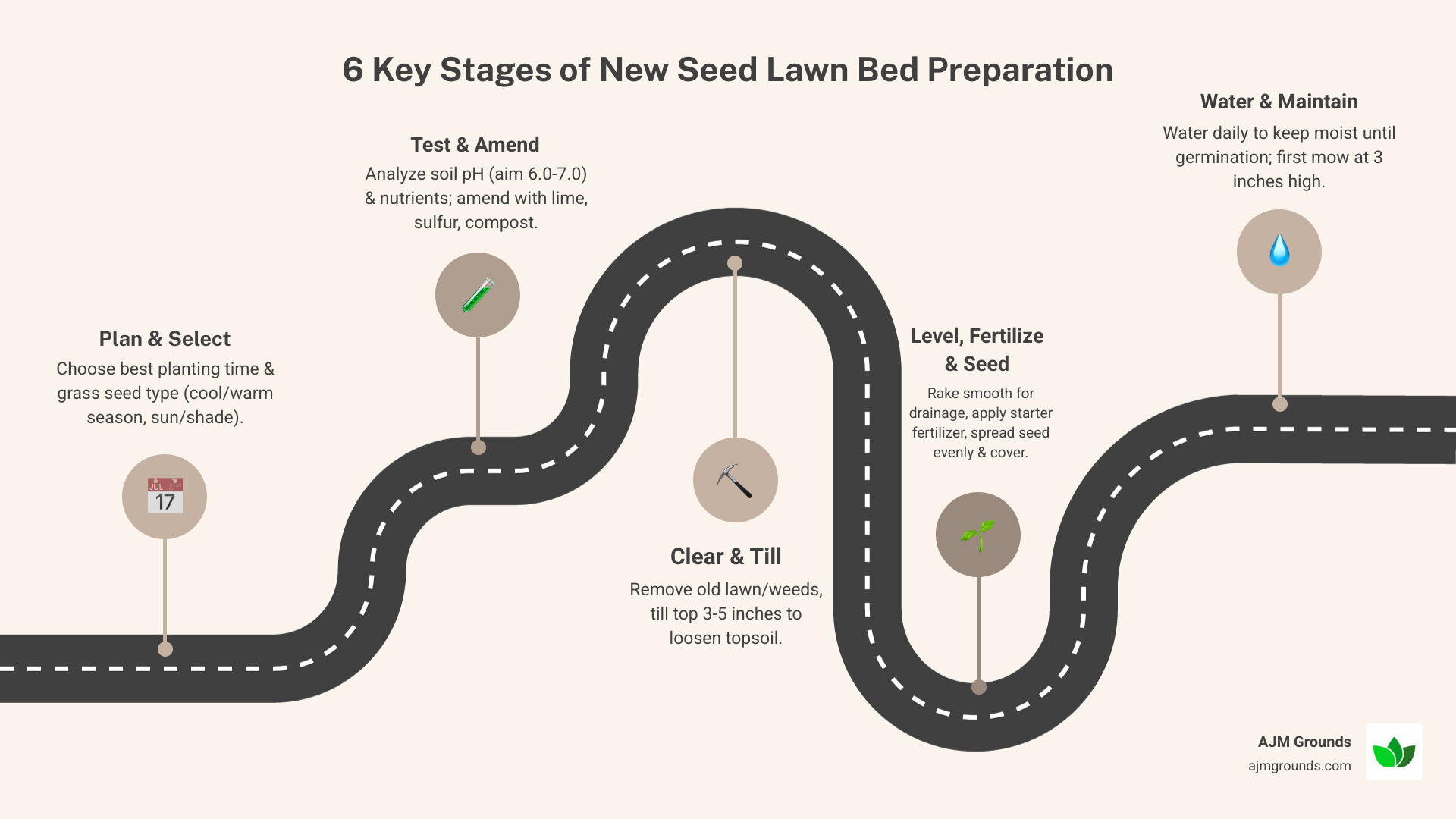
Simple guide to how to install a new seed lawn bed preparation:
The Ultimate Guide on How to Install a New Seed Lawn Bed Preparation
Creating a beautiful lawn from scratch is a rewarding project, and it all begins with meticulous bed preparation. This guide will walk you through every critical step to give your new lawn the best possible start.
Step 1: Choosing the Right Time and Seed
Success starts with two crucial decisions: when to plant and what to plant.
When to Plant
Timing is everything. The ideal time depends on your climate and grass type.
- Cool-Season Grasses (Kentucky bluegrass, fescue, ryegrass): The best time to plant is early fall (mid-August to mid-September). The warm soil and cool air are perfect for root growth with less weed competition. Spring is the second-best option. For more details, see our guide on the best time to plant a new lawn.
- Warm-Season Grasses (Zoysia, bermudagrass): These grasses need warm soil to germinate, so plant them in early summer. Consult online climate maps to be sure.
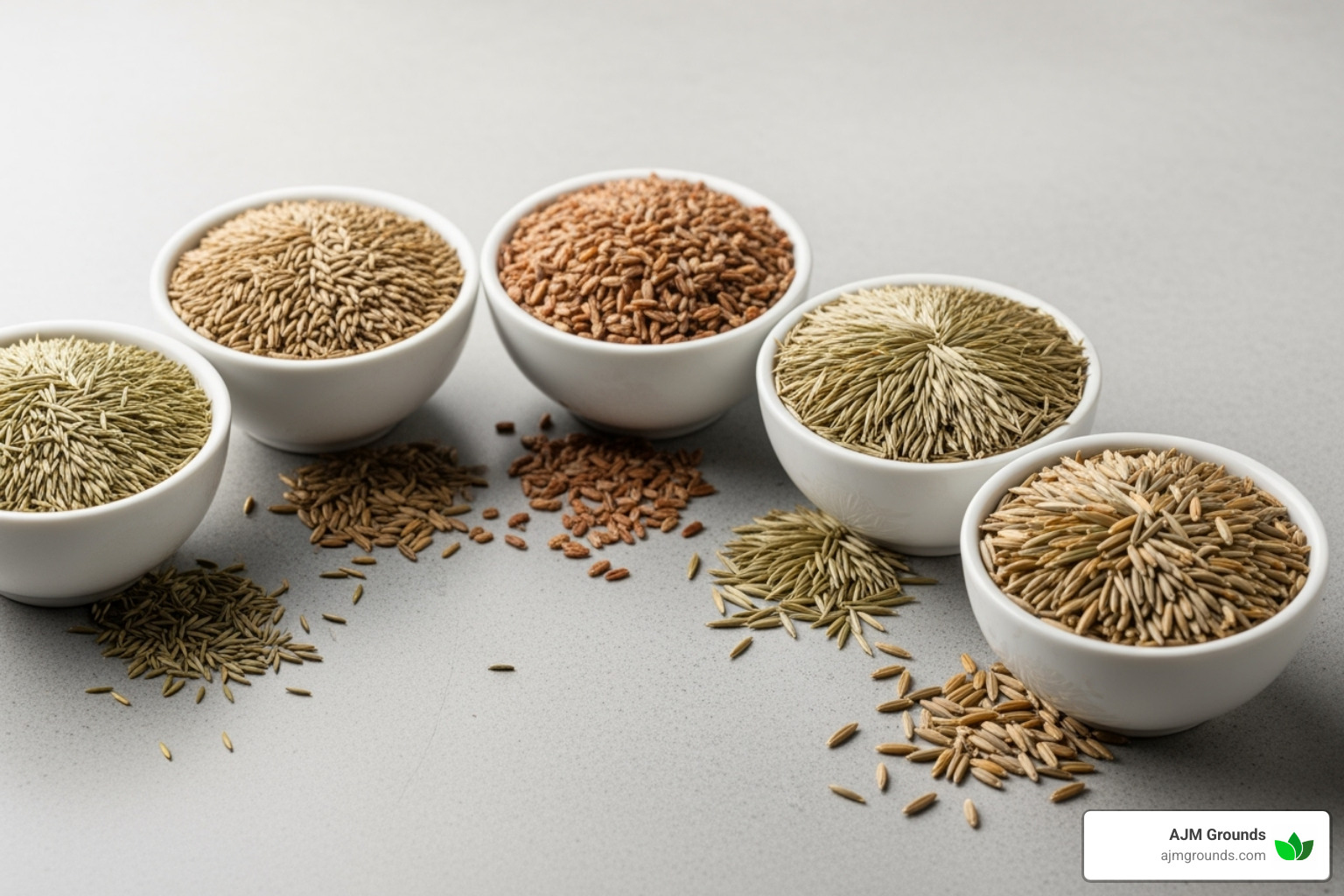
How to Choose the Right Seed
Consider your lawn’s specific conditions:
- Sun vs. Shade: Does your lawn get full sun or is it mostly shaded?
- Traffic: Will your lawn see heavy use from kids or pets? Perennial ryegrass is durable.
- Blends vs. Mixes: A mix (different grass species) is often best for new lawns as it adapts to varied conditions. A blend (different varieties of the same species) can improve disease resistance. Avoid products with “filler” and opt for a bag of high-quality plain seed.
Always read the seed label, paying attention to the weed seed percentage (aim for 0%), germination rate (higher is better), and the test date (should be recent).
Step 2: Testing and Amending Your Soil for Optimal Growth
Before seeding, you must understand your soil. This step is foundational for long-term lawn health.
How to Test and Amend
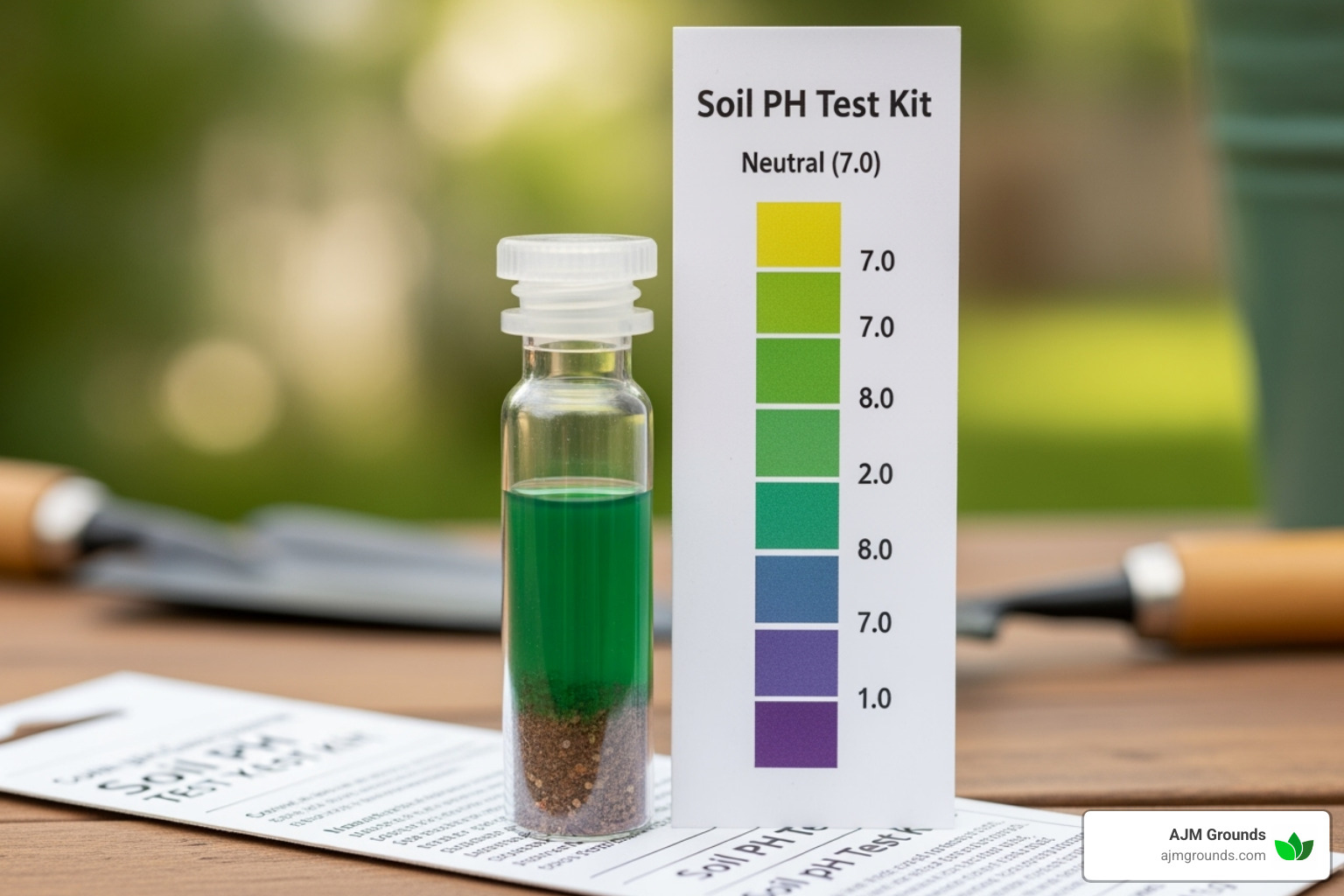
The ideal soil pH for most grass is between 6.0 and 7.0.
- Soil Testing: Use a DIY kit or send a sample to a local university extension office. A test reveals your soil’s pH and nutrient levels, removing guesswork.
- pH Amendments: If soil is too acidic (below 6.0), add ground limestone. If soil is too alkaline (above 7.0), add elemental sulfur or organic matter like compost.
- Add Organic Matter: Regardless of test results, working a 2-inch layer of compost into the top 4-6 inches of soil is highly beneficial. It improves drainage, water retention, and provides nutrients.
Compacted soil restricts root growth, air, and water. The tilling process in the next step is the primary way to fix this. For more on soil health, check out our article on fertilization and weed care.
Step 3: The Essential Groundwork for New Seed Lawn Bed Preparation
With your soil amended, it’s time for the physical labor of preparing the seedbed.
How to Prepare the Ground
- Clear the Area: Remove all rocks, twigs, and debris. For existing vegetation, use a hand cultivator or hoe for small spots. For large, unhealthy areas, use a sod cutter or a nonselective herbicide (follow label directions carefully) to remove the old turf.
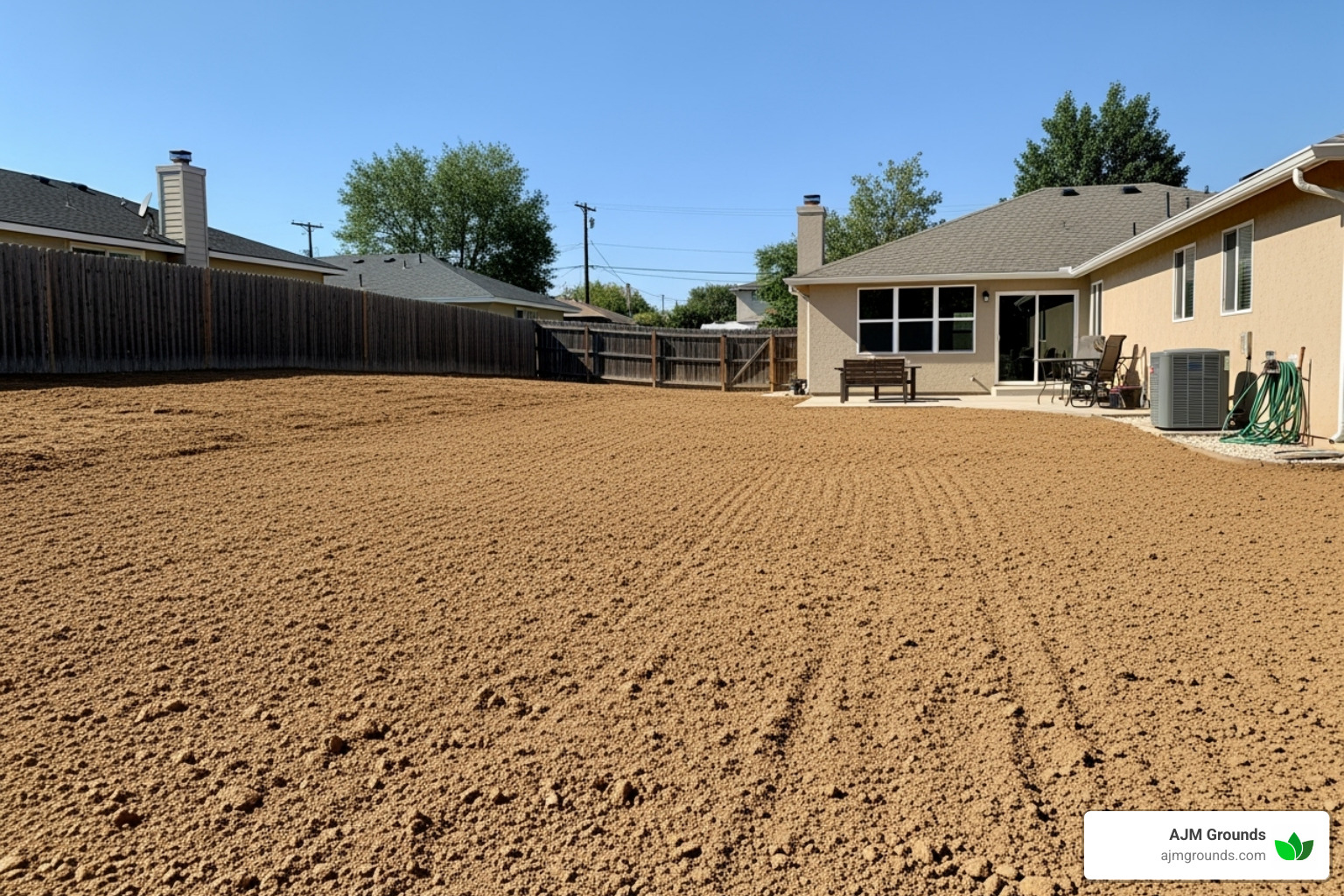
- Till the Soil: Use a rototiller to loosen the top three to five inches of soil. This alleviates compaction and creates a hospitable environment for new roots.
- Grade and Level: Rake the area to fill low spots and knock down high spots. Ensure the ground slopes away from your house foundation for proper drainage. Use a bow rake or seeding rake to create a smooth, finely textured surface.
This process is for a new lawn. Overseeding an existing lawn is different, involving mowing low, dethatching, and aerating before spreading seed. Learn more in our tips for successful lawn seeding and overseeding. For help with seasonal prep, see our spring clean-up services.
Step 4: Seeding Techniques for Your New Seed Lawn Bed Preparation
With the groundwork complete, it’s time to sow the seeds. Precision is key for even growth.
Fertilize and Spread
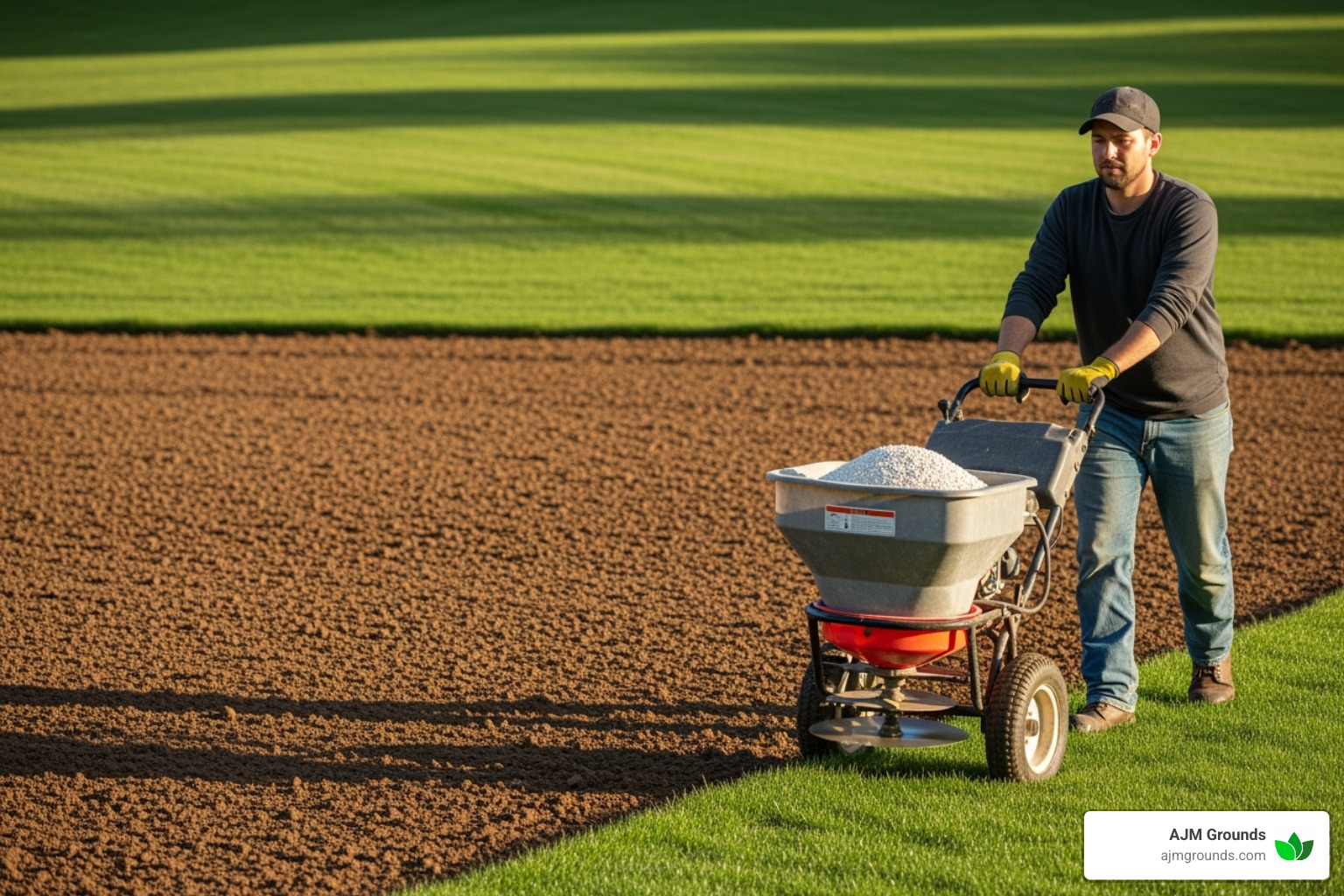
- Apply Starter Fertilizer: Right before seeding, apply a starter fertilizer. It’s rich in phosphorus, which is essential for strong root development in new seedlings.
- Spread Seed Evenly: For best results, use a walk-behind broadcast spreader or a hand-held hopper spreader. To ensure even coverage, apply half the seed walking in one direction (north-to-south) and the other half walking in a perpendicular direction (east-to-west).
- Ensure Seed-to-Soil Contact: After spreading, lightly rake the area so the seeds are covered by about 1/8 inch of soil. This contact is vital for germination. You can then use a lawn roller to gently firm the soil.
For ongoing care, explore our lawn care seeding and fertilizing services.
Step 5: Protecting and Watering Your New Seeds
Once sown, seeds are vulnerable. Protection and consistent moisture are the next critical steps.
Cover and Water
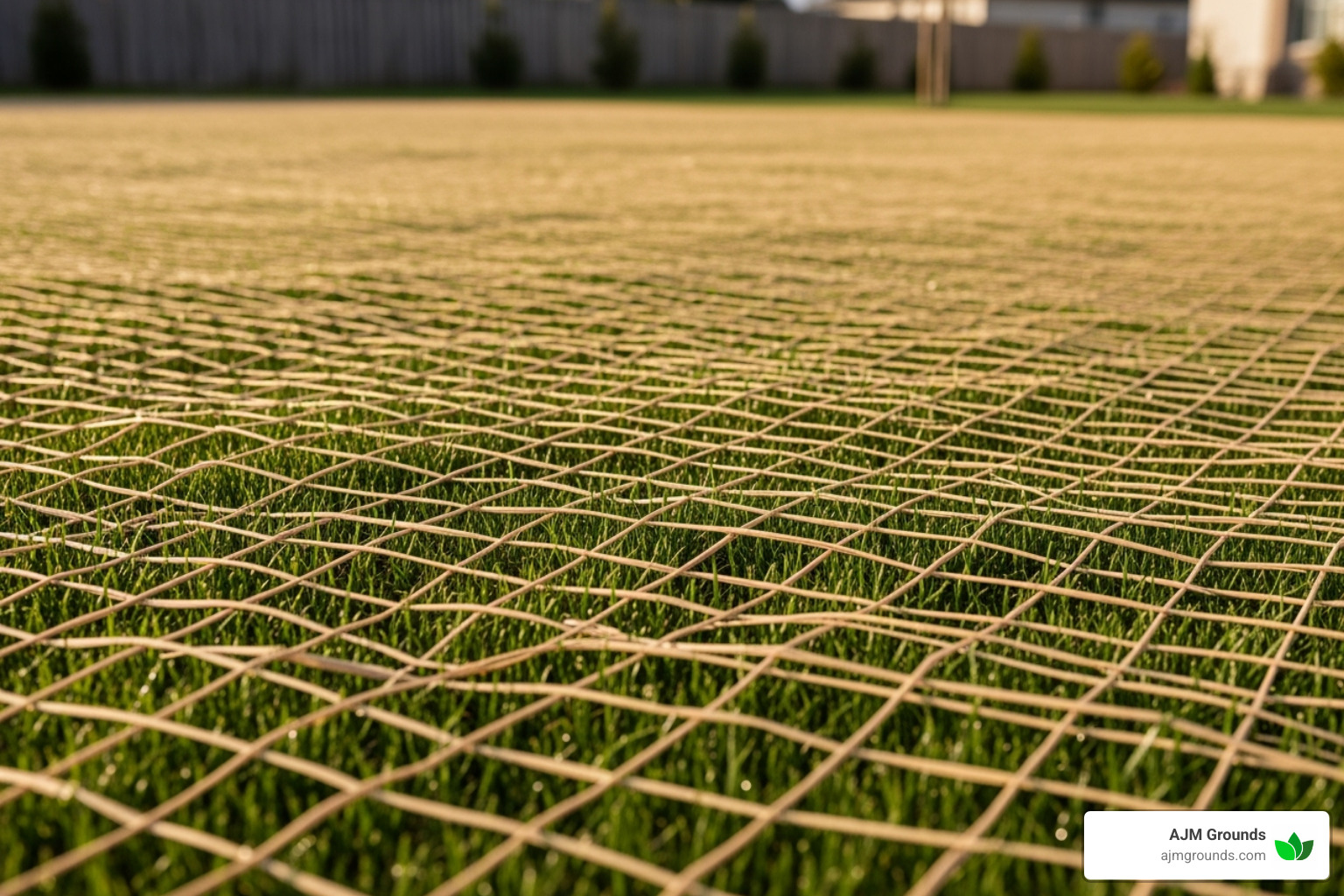
- Cover the Seeds: Apply a thin layer of weed-free straw (about one bale per 1,000 sq. ft.). This helps retain moisture, prevents seeds from washing away, and protects them from birds. You should still be able to see about 50% of the soil through the straw. For slopes, Erosion mats are an excellent option. Avoid peat moss, which can repel water when dry.
- Water Correctly: This is the most critical factor. Use a sprinkler with a fine spray.
- Before Germination: Keep the top inch of soil consistently moist. This may require light watering 2-3 times a day. Do not let the seedbed dry out.
- After Germination: As seedlings grow, water less frequently but more deeply to encourage roots to grow down into the soil.
Germination times vary: Perennial Ryegrass (3-5 days), Fescues (10 days), and Kentucky Bluegrass (2-3 weeks). Be patient! For a worry-free solution, consider our irrigation system installation services.
Step 6: First Mow and Early Care for Your New Lawn
The first mow is a milestone, but proper technique is crucial for shaping your seedlings into a resilient lawn.
Early Lawn Care
- First Mow: Wait until the new grass is about 3 inches tall. Ensure your mower blades are sharp for a clean cut; a good sharpening tool is a worthwhile investment.
- Mowing Height: Set your mower high and never remove more than one-third of the grass blade at a time. Mowing tall (3-4 inches) encourages deep roots and shades out weeds.
- Fertilizing: Begin a regular fertilizer program about 6-8 weeks after seeding, once you have mowed the lawn a few times. An organic granular lawn fertilizer is a gentle option for young roots.
- Weed Control: Do NOT use any weed control products when seeding. Pre-emergent herbicides will prevent grass seed from growing. Wait until you have mowed the new lawn at least 3-4 times before applying a selective broadleaf herbicide.
For professional mowing that gives your new lawn the best care, check out our lawn mowing service.

From Seedling to Showcase: Your Next Steps
You’ve learned how to install a new seed lawn bed preparation from the ground up. The foundation you lay today determines whether you’ll have a lawn that thrives for decades or one that constantly demands repair. The change from bare soil to a lush carpet takes time and patience, but the results are worth it.
As your lawn matures, your care will shift to a sustainable rhythm of proper watering, regular mowing, and seasonal fertilization. The habits you establish now will shape its performance for years to come. For guidance on long-term health, see our article on best practices for lawn care and maintenance.
Installing a new lawn from seed is demanding work. If you’d rather skip the soil testing, tilling, and vigilant watering schedule, that’s where we come in.
At AJM Grounds, we’ve prepared countless seedbeds throughout Woburn, MA, and the surrounding communities—Bedford, Billerica, Burlington, Lexington, Reading, Stoneham, Wilmington, and Winchester. We have the local knowledge and professional equipment to do the job efficiently and correctly the first time. We handle every step, from soil testing to final seeding, ensuring you get the lush, vibrant lawn you’ve been imagining.
Ready to transform your yard without the backbreaking work? Contact us for professional lawn installation services and let’s make your dream lawn a reality.
