

Transform Your Outdoor Space with a Perfect Path
Installing a walkway is a landscaping project that adds both functionality and beauty to your outdoor space. Here’s a quick overview of the basic process:
- Planning & Design: Measure and mark your pathway (35-40″ width recommended)
- Material Selection: Choose from pavers, concrete, wood, gravel, or flagstone
- Site Preparation: Excavate 6-8″ deep, check for utilities (call 811)
- Base Construction: Add 6″ compacted gravel and 1″ sand layer
- Installation: Lay materials with proper spacing and slope (¼” per foot)
- Finishing: Add edge restraints, joint material, and final touches
A well-designed walkway creates a clear path through your landscape, prevents erosion in high-traffic areas, and significantly boosts your home’s curb appeal. Whether connecting your driveway to your front door, guiding visitors through your garden, or creating a functional path to your backyard, a properly installed walkway combines practicality with aesthetic charm.
When planning your walkway, consider how it will complement your home’s architecture and existing landscape. The right materials and design should blend seamlessly with your property while providing a durable surface that stands up to your local climate conditions.
I’m John Caplis, owner of AJM Grounds LLC, and I’ve been installing a walkway for clients across Woburn and surrounding Massachusetts communities for years, changing outdoor spaces with custom pathways that improve both functionality and property value.

Quick installing a walkway terms:
– patio installation company
– best paver company near me
– brick sidewalk repair near me
Choosing Materials & Designing Your Path
The first step in installing a walkway is selecting the right materials for your project. Your choice will impact not only the appearance but also the durability, maintenance requirements, and overall cost of your walkway.
Popular Walkway Materials
When I talk with homeowners about installing a walkway, I always start by discussing material options. Each brings its own character to your outdoor space.
Pavers are incredibly versatile and come in countless shapes, colors, and textures. I love how they interlock to create a stable surface that can withstand our Massachusetts winters. Plus, if one gets damaged, you can easily replace just that piece without redoing the entire path.
Concrete offers exceptional durability and versatility. You can go with a simple poured slab for a clean look, or get creative with stamped patterns that mimic more expensive materials like natural stone. Many of my clients are surprised by how customizable concrete can be.
Wood creates such a warm, natural look that’s perfect for garden paths or woodland settings. There’s something inviting about the soft sound of footsteps on a wooden walkway, especially in areas with slight elevation changes where wood steps can follow the natural contours.
Gravel is both affordable and practical, providing excellent drainage. It creates that relaxed, rustic look that works beautifully in many garden styles. The gentle crunch underfoot adds a sensory element that many homeowners appreciate.
Flagstone brings unique character with its varying colors and textures. No two stones are exactly alike, creating a timeless, neat appearance that seems to have always belonged in your landscape.

Material Comparison
| Material | Cost Range (Internet Averages) | Durability | DIY Difficulty | Maintenance |
|---|---|---|---|---|
| Pavers | $10-$30/sq ft | High | Moderate | Low |
| Concrete | $6-$25/sq ft | High | Difficult | Low |
| Wood | $8-$30/sq ft | Medium | Moderate | High |
| Gravel | $2-$15/sq ft | Medium | Easy | Medium |
| Flagstone | $15-$45/sq ft | High | Moderate | Low |
Note: These are average costs based on internet data and not actual costs for AJM Grounds.
“When selecting materials for your walkway, think about how it will be used,” says John from AJM Grounds. “For a main entrance that sees daily use in all weather conditions, durable materials like pavers or concrete make the most sense. For garden paths with lighter traffic, gravel or stepping stones might be perfect.”
Matching Material to Climate & Soil
Massachusetts homeowners face unique challenges when installing a walkway due to our freeze-thaw cycles and varied soil conditions. I’ve seen many beautiful walkways deteriorate prematurely because they weren’t designed with our local climate in mind.
Our freeze-thaw cycles can be brutal on hardscaping materials. Properly installed pavers with flexible joints perform exceptionally well because they can move slightly without cracking. Natural stones like bluestone and granite also stand up beautifully to our winters. While solid concrete is durable, it needs proper reinforcement and expansion joints to prevent cracking over time.
Many properties around Woburn, Bedford, and Burlington have clay-rich soils that retain moisture and expand when wet. This is why proper drainage is absolutely essential when installing a walkway in our region. Materials like pavers set on a deep gravel base allow water to drain gradually rather than pooling on the surface and causing problems later.
For properties with drainage concerns, consider permeable pavers or gravel paths that allow water to filter through rather than run off. This approach can prevent erosion and water pooling while being environmentally friendly.
“In our experience serving clients in Lexington, Reading, and Stoneham, we’ve found that a deeper base preparation is often necessary due to our soil conditions,” notes our team at AJM Grounds. “An 8-inch base rather than the standard 6 inches provides extra insurance against frost heave and settling.”
Layout, Width & Pattern Tips
Once you’ve selected your material, it’s time to plan the specific layout of your walkway. This is where you can really make your path special and personal.
For width, comfort is key. A 35-40 inch width creates an ideal path for comfortable walking, while 48 inches allows two people to stroll side-by-side without feeling cramped. If accessibility is important, keep in mind that 36 inches is the minimum recommended width for wheelchair access, and you’ll want to include a 60-inch turnaround area.
Creating natural-looking curves is easier than you might think. I often recommend laying out a garden hose along your intended path. This flexible approach allows you to visualize and adjust the flow before making any permanent changes. For straight paths, good old-fashioned string lines will ensure your edges stay crisp and clean.
The pattern you choose can dramatically change the look and feel of your walkway. A running bond pattern (where pavers are offset like a brick wall) creates a classic, strong look. Herringbone patterns (zigzag arrangement) provide maximum interlock and strength, making them ideal for driveways and high-traffic areas. Basket weave patterns offer a decorative, traditional appearance, while random or ashlar patterns create a natural look that’s perfect for flagstone or varied-size pavers.
Don’t forget about proper slope when installing a walkway. Plan for a ¼-inch drop per foot of walkway to ensure water drains away from your home’s foundation. This slight slope is barely noticeable to the eye but makes a huge difference in preventing water issues.
“One of the most common mistakes we see is not properly planning the layout before breaking ground,” says our installation team. “Taking time to stake out your path with string lines or spray paint the outline directly on the ground can save hours of work and materials later.”
For more inspiration on how your walkway can improve your overall landscape design, check out our guide on how to design a beautiful and functional outdoor space.
Site Preparation & Building a Solid Base
The long-term success of your walkway depends largely on what happens beneath the surface. Proper site preparation is crucial when installing a walkway that will last for decades.
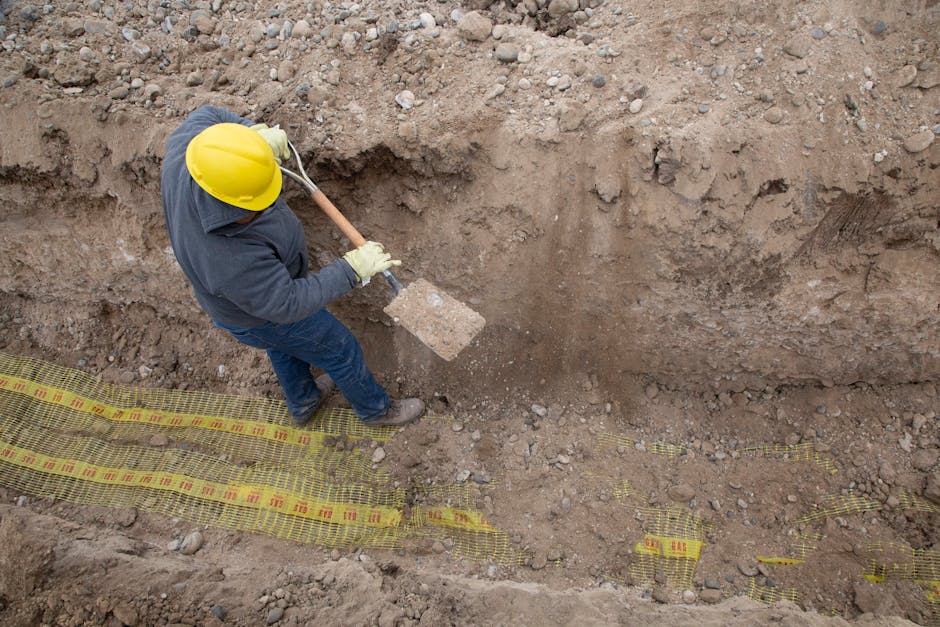
Dig Smart & Safe
Before you break ground on your new path, safety comes first. Always call 811 at least 72 hours before starting any excavation project. This free service marks all underground utilities so you can dig with confidence, knowing you won’t accidentally hit gas, electric, or water lines.
In Massachusetts, our freeze-thaw cycles demand respect when installing a walkway. For a standard walkway in our climate, you’ll want to excavate to a depth of 6-8 inches, plus the thickness of your surface material. If you’re using 2-inch thick pavers, that means digging 8-10 inches deep. For 1-2 inch flagstone, aim for 7-10 inches deep. And if you’re pouring a concrete path that’s 4 inches thick, you’ll need to dig 10-12 inches deep.
“We once had a client in Winchester who insisted on a shallower base to save on materials,” our team member recalls with a smile. “Within two years, sections of their walkway had shifted and required repairs. The proper depth is an investment that pays off in longevity.”
For properties with particularly poor drainage or heavy clay soil (which we see quite often around Woburn), consider digging an extra 2 inches and adding more crushed stone for improved drainage. This small extra effort can prevent major headaches down the road.
Choosing & Compacting Base Materials
The foundation of your walkway provides both stability and drainage—two critical factors for a path that will stand the test of time. Most professionals, including our team at AJM Grounds, recommend 3/4-inch crushed stone (also called “road base” or “crush and run”) as the standard base material. This material compacts beautifully and provides excellent drainage.
For those looking for alternatives, High-Performance Bedding (HPB) has gained popularity in recent years. This material consists of 1/4-inch clear limestone chips that provide superior drainage and require less compaction effort.
When selecting materials, you’ll hear terms like “open-grade” and “dense-grade.” Open-grade materials have uniform particle sizes for maximum drainage, while dense-grade contains various sizes that lock together for stability. For most residential walkways, dense-grade provides better overall support.
The compaction process is where many DIYers fall short when installing a walkway. For proper compaction:
- Add base material in thin layers (2-3 inches at a time)
- Lightly wet each layer (not soaking wet)
- Compact thoroughly with a plate compactor, making at least three passes
- Continue adding layers until you reach the desired height
“The sound of the compactor will change when the material is properly compacted,” explains our installation expert. “You’ll hear it go from a loud, rattling sound to a more solid thud. That’s how you know you’ve achieved proper compaction.”
After compacting your base, don’t skip the weed prevention step. Installing landscape fabric before adding the bedding layer is a simple measure that prevents weeds from growing up through your walkway. Your future self will thank you for this extra fifteen minutes of work!
For those interested in modern alternatives, paver base panels are gaining popularity as a substitute for traditional gravel bases. These interlocking plastic panels can reduce the required excavation depth while still providing stability. You can read the latest research on paver base panels for more information.
Good drainage is essential for any walkway in our New England climate. Ensure your path has a gentle slope—about ¼-inch per foot—to direct water away from your home’s foundation. This subtle gradient is barely noticeable to the eye but makes all the difference in preventing water pooling and potential frost heaving during our harsh winters.
To learn more about our professional approach to creating solid foundations for walkways and other hardscape features, visit our hardscaping page. A proper base might be invisible once your project is complete, but it’s the secret to a walkway that will look beautiful for decades to come.
Installing a Walkway: Step-by-Step Guide
Now that you’ve prepared your site and built a solid base, it’s time for the most rewarding part of the project: installing a walkway surface that will transform your outdoor space.
Installing a walkway with pavers
Pavers are one of the most popular choices for walkways due to their durability, variety, and relatively straightforward installation process.
The bedding layer is your first critical step. Spread a 1-inch layer of coarse sand or stone dust over your compacted base, using 1/2-inch diameter PVC pipes as screeding guides. These pipes, laid parallel to each other and slightly wider than your screed board, create the perfect reference points. Pull a straight 2×4 across the pipes to create a perfectly level sand surface, then carefully remove the pipes and fill in the gaps with additional sand.
When laying your pavers, always start at the lowest point of your walkway (typically furthest from your house). Place your border pavers first to create a frame for your pathway. This outline establishes the shape and ensures the interior pavers fit properly. Tap each paver gently into place with a rubber mallet and check frequently with a level to ensure proper height and slope.
For the main walkway surface, a running bond pattern (like a traditional brick wall) provides maximum stability. Maintain consistent 1/4-inch gaps between pavers and use a string line or chalk line to keep rows straight. Periodically check for level across multiple pavers using a long straight edge.
“The key to a professional-looking paver installation is patience with your base and precision with your first row,” advises our installation team. “If your first row is perfectly straight and level, the rest of the installation will flow much more smoothly.”
Once all pavers are in place, install plastic or metal edge restraints secured with 10-12 inch spikes every 12 inches. Backfill with soil to hide the edging for a clean, finished look.
For more detailed information on working specifically with brick pavers, check out our guide on installing a brick paver walkway.
Installing a walkway on slopes & around structures
Installing a walkway on sloped terrain or around existing features presents unique challenges but can create stunning results with proper planning.
For slight slopes (less than 6%), you can simply follow the grade while maintaining level pavers. When dealing with moderate slopes (6-12%), consider creating a gently terraced walkway with small steps to make the transition comfortable and safe. On steep slopes (over 12%), proper steps with risers no higher than 7 inches are essential for safety and usability.
When it comes to steps, consistency is key. Building codes typically require steps to maintain consistent heights within ±3/8 inch of each other to prevent tripping hazards. This small detail makes a huge difference in safety and comfort. Always check local building codes before installing steps to ensure compliance.
“One of our most challenging projects in Stoneham involved installing a walkway on a property with a 15% slope,” recalls our team. “By combining small retaining walls with strategically placed steps, we created a beautiful, functional path that addressed the elevation change while maintaining safe, comfortable access.”
Connecting to existing structures requires careful planning. When joining to a patio or driveway, match the height of the existing structure for a seamless transition. A soldier course (pavers laid perpendicular to the walkway direction) creates a clean visual break between different areas. For connections to wooden decks, consider a small landing pad with a slight drop (1/4 inch) from the deck to ensure proper drainage away from the wood.
For walkways on hillsides, small retaining walls can create a level path. Always build the retaining wall first, then install the walkway. Ensure proper drainage behind any retaining wall with clear crushed stone and possibly a perforated drain pipe to prevent water buildup and potential wall failure.
Cutting, Curves & Edging Like a Pro
Creating clean edges and smooth curves is what separates a professional-looking walkway from an amateur one.
For precise paver cuts, a masonry wet saw is your best friend. Mark your cut line clearly and feed the paver slowly through the blade for clean, accurate results. If you’re working with thinner pavers and need straight cuts, the score and split method works well—score along your cut line with a masonry chisel, then snap the paver with a quick, firm strike. Safety should always come first—wear eye protection, gloves, and a dust mask when cutting any masonry materials.
Curves add character and visual interest to your walkway. Start by laying out your desired curve with a garden hose or rope, then mark it with spray paint for reference. For paver installations, using a soldier course (pavers perpendicular to the path) along the curve creates a clean edge. For more complex curves, cutting pavers at angles allows you to follow the curve smoothly without awkward gaps.
“When cutting pavers for curves, make a cardboard template first,” suggests our installation specialist. “This allows you to test the fit before making any cuts and saves both time and materials.”
Professional edging makes all the difference in longevity. Plastic edging works wonderfully for most paver applications and stays hidden from view. For heavy-traffic areas, metal edging provides additional strength. If you prefer a decorative touch, natural stone edging creates a visible border that improves the overall design. Whichever option you choose, secure your edging with spikes every 12 inches for maximum stability.
Alternative Materials: Wood & Gravel Paths
While pavers and concrete are popular choices, wood and gravel offer excellent alternatives for installing a walkway with different aesthetic appeals and installation methods.
Wood boardwalk paths bring warmth and natural charm to your landscape. Begin with 4×4 pressure-treated posts as the foundation, buried 2 feet deep with gravel footings for stability. Install 2×6 pressure-treated joists between posts, then attach 2×6 or 5/4×6 decking boards perpendicular to the joists. Leave 1/4-inch gaps between decking boards for proper drainage, and apply two coats of exterior deck stain for weather protection.
“A wooden walkway makes an attractive and inexpensive garden path,” notes our designer. “It’s simpler and less backbreaking to install than stone or concrete, and works particularly well in sloping or wet areas.”
Gravel paths offer a budget-friendly option with excellent drainage. Start by excavating to a depth of 4-6 inches, then install landscape fabric to prevent weed growth. Add edge restraints (stone, metal, or plastic) to keep the gravel contained, then add 3-4 inches of base gravel and compact it thoroughly. Top with 2 inches of decorative pea gravel, rake smooth, and tamp lightly for a finished surface.
For those seeking more stability in a gravel path, consider resin-bound gravel, which combines small stones with a clear resin to create a permeable but firm surface that resists shifting and scattering.
For those interested in a more natural-looking option that combines the best of both worlds, check out our guide on installing a stepping stone walkway.
Finishing, Costs, Maintenance & FAQs
The final steps in installing a walkway are crucial for ensuring longevity and a professional appearance. Proper finishing not only improves the look of your walkway but also protects your investment for years to come.

Finishing Touches
When it comes to paver walkways, the magic happens in the final stages. After placing all your pavers, sweep polymeric sand into the joints between them using a fine bristle broom. This special sand hardens when wet, locking your pavers in place while still allowing for slight movement during freeze-thaw cycles. Make sure to remove excess sand from the surface with a leaf blower before misting with water according to the manufacturer’s instructions. Then give it a full 24 hours to cure before walking on your new path.
Running a plate compactor over the finished surface helps settle the pavers firmly into place. You might need to add more polymeric sand after compaction since the vibration often creates small voids. Take time to check for and adjust any uneven areas – this attention to detail is what separates a professional installation from a DIY project.
“I always tell homeowners that sealing is like sunscreen for your pavers,” jokes our installation specialist. While optional, applying a quality paver sealer about 30 days after installation improves color and provides stain resistance. You can choose between wet-look sealers that make colors pop or natural-look options for a more subtle finish.
For gravel walkways, the finishing process is simpler but equally important. Rake the surface smooth and consider adding stabilizers to keep the gravel from migrating. A clearly defined edge using stone, metal, or plastic edging makes maintenance easier and gives your path a clean, intentional look.
Wooden walkways benefit from sanding any rough edges before applying a quality deck stain or sealer. In our New England climate, consider adding non-slip strips for those rainy fall days and winter thaws when wooden surfaces can become slippery.
Cost Considerations
The investment for installing a walkway varies widely based on materials, size, complexity, and whether you DIY or hire professionals. For budget planning purposes, here are average costs based on internet data (not actual costs for AJM Grounds):
DIY enthusiasts can expect to pay about $2-$15 per square foot for a gravel path, making it the most economical option. Pavers typically run $10-$30 per square foot, while concrete ranges from $6-$25 depending on whether you choose plain or decorative finishes. Wood walkways cost approximately $8-$30 per square foot, varying by wood type and design complexity. Natural flagstone sits at the premium end at $15-$45 per square foot.
Your specific site conditions can significantly impact these ranges. Properties with slopes, poor drainage, or clay soil often require additional preparation work. Similarly, decorative features like curved edges, intricate patterns, or integrated lighting add both beauty and cost to your project.
“When budgeting for your walkway project, always add 10-15% to your material estimate,” advises our project manager with a knowing smile. “In twenty years of installing a walkway, I’ve never seen a project that didn’t have some waste from cuts or an unexpected challenge requiring additional materials.”
Maintenance Tips
A well-maintained walkway can last decades with proper care. For paver and stone walkways, regular sweeping prevents debris buildup that can lead to staining and moss growth. A seasonal rinse with a garden hose keeps them looking fresh, while re-sanding joints every few years prevents weed growth and maintains stability.
Gravel paths need occasional raking to maintain an even surface, especially after heavy rains or snow melt. Adding fresh gravel every 2-3 years keeps your path looking refreshed and properly filled. The key to weed control is addressing them promptly – a few minutes of pulling weeds each month prevents them from establishing deep roots.
Wooden walkways require vigilance against moisture damage. Regular sweeping prevents debris buildup that can trap moisture against the boards. Re-staining every 2-3 years provides essential protection from UV damage and water penetration. During your annual spring cleaning, take time to check and tighten any loose fasteners.
“The best maintenance is preventive,” notes our team leader. “A quick monthly inspection of your walkway can identify small issues before they become major problems. It’s much easier to replace a single damaged paver than to rebuild a section that’s been neglected for years.”
Frequently Asked Questions about installing a walkway
How deep should I dig for my climate?
In Massachusetts and other freeze-thaw regions, proper excavation depth is your insurance against winter damage. For standard residential walkways, dig 6-8 inches plus the thickness of your chosen material. For walkways that will see heavy traffic or support vehicles, increase this to 8-10 inches plus material thickness.
Properties with clay-rich soil benefit from an additional 2 inches of depth filled with drainage material. “I’ve seen walkways with inadequate bases shift dramatically after just one winter,” explains our installation specialist. “The extra depth might seem excessive during installation, but it’s actually the most cost-effective approach over the life of your walkway.”
Do I need a permit for a backyard path?
Most simple residential walkways don’t require permits, but there are exceptions worth checking. Paths that significantly alter drainage patterns affecting neighboring properties may need approval. Historic districts often have specific requirements about materials and designs. If your walkway includes electrical components like lighting, electrical permits might be necessary.
Front walkways connecting to public sidewalks sometimes fall under municipal regulations, particularly in communities like Lexington and Winchester where aesthetic standards are carefully maintained. “A quick call to your local building department saves headaches later,” recommends our permitting expert. “It’s always better to know the rules before you start digging.”
How do I prevent paver weeds and shifting long-term?
The battle against weeds and shifting begins during installation. A properly compacted base creates a stable foundation that resists settling. Quality edge restraints keep pavers from spreading outward over time. Modern polymeric sands contain weed inhibitors that discourage growth between pavers.
Installing landscape fabric under your base layer provides an additional barrier against persistent weeds. Regular maintenance, including reapplying polymeric sand when needed, maintains the integrity of your installation.
“One of our clients in Burlington had tried three times to install their own walkway before calling us,” shares our team with a chuckle. “Each attempt failed because they skipped proper base preparation. The fourth time, with a proper 8-inch compacted base, created a walkway that’s still perfect five years later.”

Conclusion
Installing a walkway is one of the most rewarding landscape improvements you can make to your property. A well-designed path not only improves your home’s curb appeal but creates meaningful connections between different areas of your outdoor space, turning a simple yard into a cohesive landscape.
The secret to a walkway that stands the test of time isn’t complicated, but it does require patience. Thorough planning, proper base preparation, and meticulous attention to detail during installation might seem like overkill when you’re knee-deep in gravel, but trust me – this upfront investment pays off with a beautiful, functional path that will serve your family for decades.
For those of us living in Massachusetts – whether in Woburn, Bedford, Billerica, Burlington, Lexington, Reading, Stoneham, Wilmington, or Winchester – our unique soil conditions and notorious freeze-thaw cycles present special challenges. That extra depth in your base layer and those careful drainage considerations aren’t just recommendations; they’re essential for preventing the frustrating heaving and settling that can ruin an otherwise perfect walkway.
Your material choice – whether it’s the timeless look of brick pavers, the natural elegance of flagstone, budget-friendly gravel, or warm wooden boards – sets the tone for your entire outdoor space. Each option brings its own character to your landscape while creating practical pathways that guide visitors and family members through your property.
I’ve seen how a thoughtfully designed walkway transforms not just the appearance of a home, but how people actually use and enjoy their outdoor spaces. Suddenly, that distant garden becomes a daily retreat, the side yard becomes a pleasant journey rather than a neglected passage, and your front entrance welcomes guests with style and safety.
If you’re feeling a bit overwhelmed by the process of installing a walkway, or you simply want the peace of mind that comes with professional results, our team at AJM Grounds is here to help. With years of experience creating beautiful, durable walkways throughout the Woburn area, we understand the unique challenges of New England landscaping and take pride in addressing each project with personalized attention.
Visit our walkway installation page to see examples of our past projects and learn more about our professional installation services. We believe in creating outdoor spaces that reflect your personal style while standing up to our demanding climate.
Whether you tackle this as a DIY weekend warrior or bring in professional help, investing in a properly designed and installed walkway is one of those rare home improvements that delivers both immediate satisfaction and long-term value. Years from now, as you stroll along your path with barely a thought to what lies beneath your feet, you’ll be grateful for every minute spent getting it right the first time.
