

Finding Your Perfect Outdoor Flame: Built-In vs. Portable Fire Pits
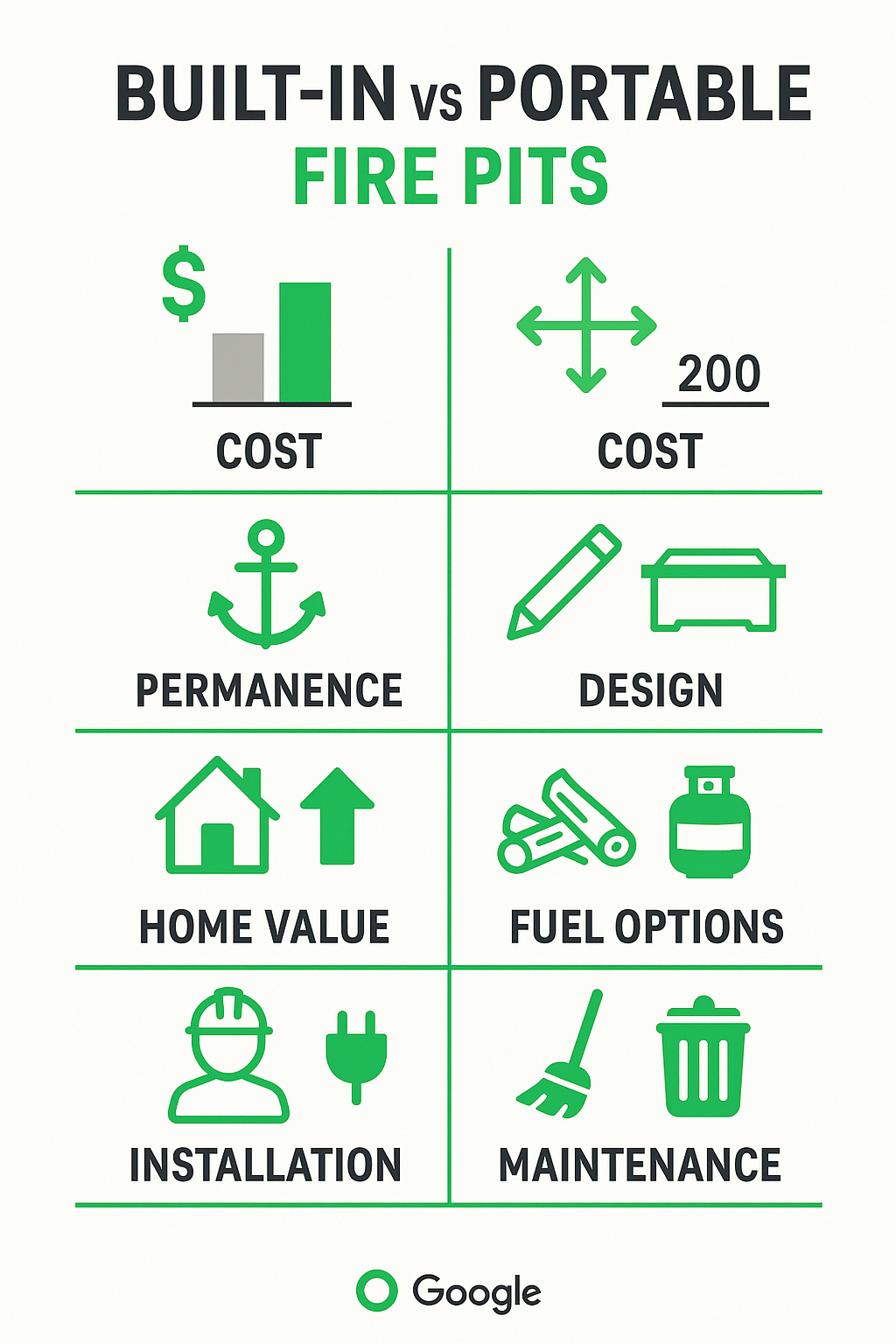
A fire pit built in to your landscape offers permanence, custom design, and integration with your outdoor living space, while portable options provide flexibility and lower initial costs. Here’s a quick comparison to help you decide:
| Feature | Built-In Fire Pit | Portable Fire Pit |
|---|---|---|
| Cost | $1,500-$9,000+ | $100-$1,500 |
| Permanence | Fixed installation | Movable |
| Home Value | Increases property value | Minimal impact |
| Design | Custom, integrated with landscape | Various styles available |
| Fuel Options | Wood, natural gas, propane | Typically wood or propane |
| Installation | Professional installation recommended | Ready to use |
| Maintenance | Regular cleaning, occasional repairs | Simple cleaning, potential replacement |
There are few things as relaxing as gathering around a warm fire on a cool evening. A well-designed fire pit transforms your backyard into an inviting outdoor retreat where family and friends can create lasting memories. But before you start planning those s’more sessions, you face an important decision: should you invest in a permanent, built-in fire feature or opt for a portable solution?
The choice between a fire pit built in to your landscape and a movable unit depends on several factors: your budget, available space, how you plan to use it, and your long-term property goals. Built-in fire pits become a stunning focal point that can significantly improve your outdoor living area, while portable options offer flexibility for those who might want to rearrange their space or take their fire pit when they move.
I’m John Caplis, owner of AJM Grounds LLC, and I’ve designed and installed dozens of custom fire pit built in features throughout Woburn and surrounding areas, helping homeowners create outdoor spaces that perfectly balance beauty and functionality.
Fire pit built in further reading:
– Backyard fire features
– Fire pit landscape design
– custom built outdoor fireplaces
Understanding Fire Pits: Built-In vs. Portable
Picture this: a crisp autumn evening, stars twinkling overhead, and the warm glow of flames dancing in your backyard. Sounds perfect, right? But before you can enjoy those magical moments, you need to decide which type of fire pit fits your lifestyle best.
A fire pit built in to your landscape is exactly what it sounds like – a permanent outdoor fixture that becomes part of your property’s design. Think of it as adding another “room” to your home, but one that exists under the open sky. These structures are typically crafted from weather-resistant materials like natural stone, brick, or poured concrete that can withstand years of exposure to the elements. Most built-in fire pits require professional installation and are designed to become a lasting focal point in your outdoor living space.
Portable fire pits, on the other hand, offer a “go anywhere, anytime” approach to outdoor flame. These freestanding units come in countless designs – from simple metal bowls to elaborate fire tables with glass beads. The beauty of portable options lies in their flexibility; you can position them on your deck for a dinner party, move them to the lawn for a family gathering, or tuck them away in the garage during harsh weather. And if you relocate to a new home? Your beloved fire pit comes along for the ride.
The key difference between these two options isn’t just about mobility – it’s about how they function within your outdoor lifestyle. A fire pit built in makes a statement that says, “This is where memories will be made for years to come.” It becomes an extension of your home’s architecture and can significantly improve your property’s value and appeal. Portable fire pits, while less permanent, offer immediate gratification and the freedom to experiment with different placements and styles as your needs evolve.
When thinking about functionality, consider how you’ll use your fire feature most often. Built-in pits typically accommodate more people around them and can be designed with integrated seating or surrounding walls. Portable units might offer less gathering space but compensate with convenience and sometimes additional features like cooking grates or adjustable flame controls.
Whether you’re leaning toward the permanence of a fire pit built in to your landscape or the versatility of something you can reposition at will, understanding these fundamental differences is your first step toward creating the outdoor fire experience that’s perfect for your home.
The Advantages of a Fire Pit Built In
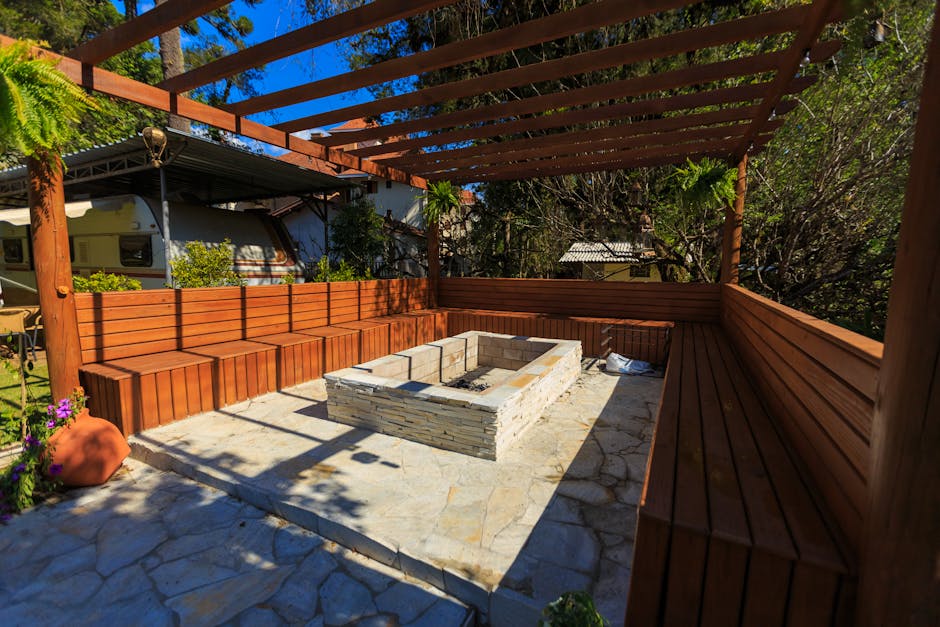
When I sit down with homeowners in Bedford, Billerica, Burlington, and across Massachusetts to discuss outdoor improvements, the conversation often drifts toward creating a cozy gathering space. There’s something almost magical about the way a fire pit built in to your landscape transforms an ordinary backyard into something special.
Benefits of Built-In Fire Pits
The charm of a fire pit built in to your landscape goes far beyond simple functionality. Just last month, a Winchester homeowner stood back after we completed their custom stone fire pit and remarked, “It looks like it was always meant to be there—like the house and the fire pit were designed together.” That seamless integration is exactly what makes built-in fire pits so appealing.
Unlike portable options that might seem like afterthoughts in your yard, a fire pit built in becomes part of your landscape’s story. We design these permanent features to complement your home’s architecture and match existing elements like patios and walkways, creating a cohesive outdoor living space that feels intentional and complete.
The durability factor can’t be overstated either. New England weather isn’t exactly gentle, with freezing winters and humid summers taking their toll on outdoor features. Built with materials like natural stone, brick, or concrete, a permanent fire pit stands up to these challenges year after year. As my Lexington client likes to say, “Our fire pit built in has survived five harsh winters without a single issue.”
From a financial perspective, these permanent features make good sense too. Real estate professionals consistently tell me that well-designed outdoor living spaces with features like built-in fire pits can provide a return on investment between 60-80%, while making your property significantly more attractive to potential buyers.
Perhaps the most exciting aspect is the design flexibility. Every fire pit built in we create is unique to the homeowner’s vision. From rustic fieldstone circles that feel like they’ve been there for generations to sleek, modern designs with colorful glass fire media, the possibilities are nearly endless. You’re not limited by what’s available in stores—you’re limited only by imagination.
For more inspiration on custom designs, check out our Custom Built Fire Pits gallery.
Enhancing Your Outdoor Space with a Built-In Fire Pit
A fire pit built in does something remarkable to your yard—it creates a natural center of gravity. People are drawn to fire; it’s in our DNA. By designing a permanent fire feature with integrated seating, you’re essentially creating an outdoor living room where memories will be made.
In Burlington, we recently completed a circular stone fire pit with a surrounding seat wall that comfortably accommodates up to twelve people. The homeowners hosted their first gathering the very weekend we finished, and they told me later that guests naturally migrated to the space without even being directed there.
Here in Massachusetts, outdoor living is precious because our season can feel short. A fire pit built in effectively extends your outdoor enjoyment by 2-3 months each year. Those chilly April evenings and crisp October nights become perfect opportunities to bundle up and enjoy your yard rather than retreating indoors.
What I love most about designing these features is their versatility. A built-in fire pit doesn’t exist in isolation—it works as part of a larger outdoor concept. We frequently integrate them with outdoor kitchens, dining areas, or conversation spaces to create multi-functional yards that serve different purposes throughout the day and year.
Even when not in use, a fire pit built in serves as an attractive focal point. The craftsmanship and materials create visual interest in your landscape year-round. As one Reading client perfectly summed up: “Our built-in fire pit has completely changed how we use our backyard. What was once just a lawn that we barely used is now our favorite place to entertain friends or spend quiet evenings as a family.”
That change—from unused space to beloved gathering place—is why I’m so passionate about creating these permanent features for families throughout Woburn and beyond.
The Flexibility of Portable Fire Pits
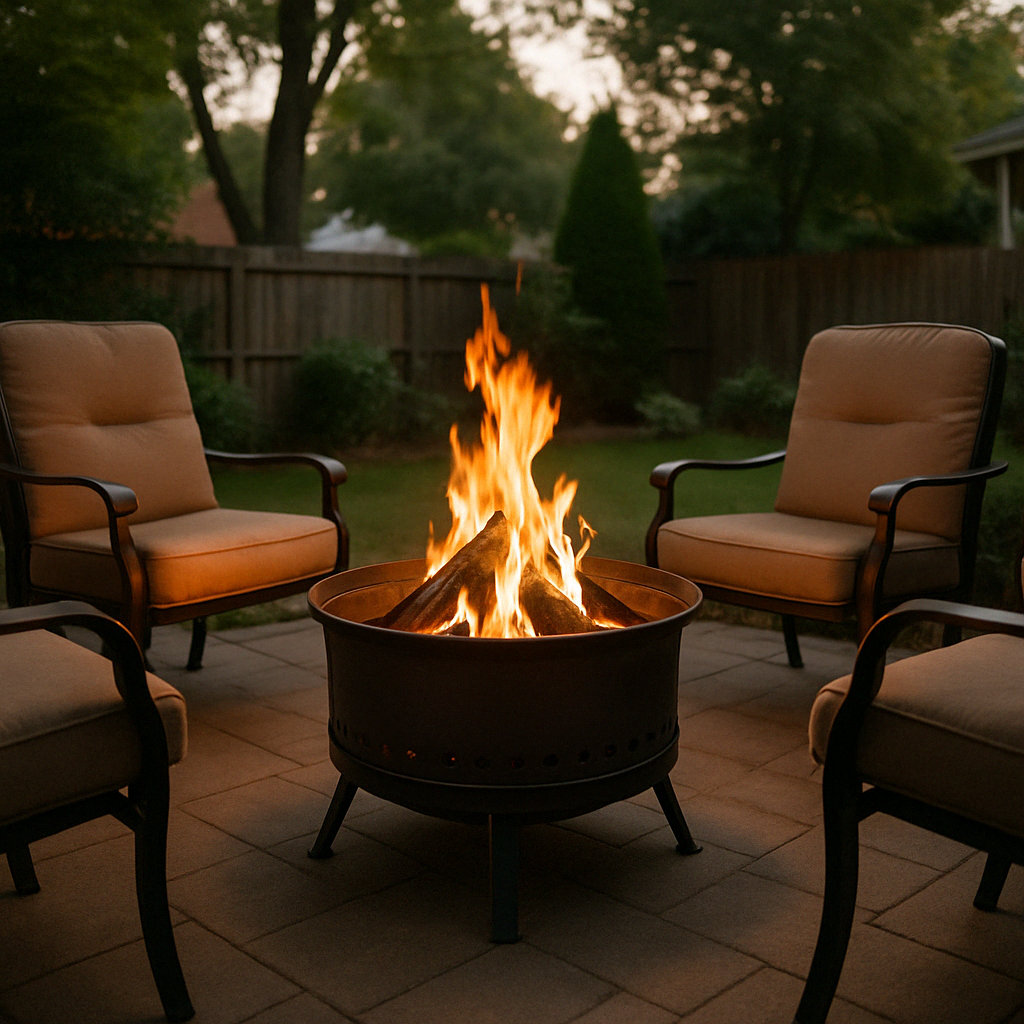
While a fire pit built in to your landscape creates a stunning permanent feature, portable fire pits offer their own unique charm and practical benefits. After 15 years of creating outdoor spaces throughout Massachusetts, I’ve seen how these versatile options can be the perfect solution for many homeowners.
Advantages of Portable Fire Pits
There’s something wonderfully liberating about a fire feature you can move wherever the mood strikes. Just last month, a client in Stoneham told me, “I love being able to move our fire pit depending on the season—closer to the house in winter, and under the trees in summer.” This mobility and versatility is perhaps the most compelling reason many homeowners choose portable options.
The cost-effectiveness of portable fire pits makes them particularly attractive if you’re working with a tighter budget. While a fire pit built in typically starts around $1,000 and can exceed $6,000 for custom designs, portable options generally range from $100 to $1,500. This significant price difference allows you to enjoy outdoor fires without making a major financial commitment.
Another benefit that resonates with many of our Woburn and surrounding area clients is the convenience factor. Most portable fire pits arrive ready to use with minimal assembly required. There’s no excavation, no foundation work, and no waiting for construction to finish—just unpack it, place it on a level surface, and you’re ready for your first fireside gathering that very evening.
The variety of styles available in today’s market is truly impressive. From rustic cast iron bowls that develop a beautiful patina over time to sleek, modern gas-powered tables with glass fire media, there’s a portable fire pit to complement any outdoor décor. Many of our clients appreciate being able to choose materials like stainless steel for durability or copper for its evolving beauty as it weathers.
When winter descends on Massachusetts, a portable fire pit can be easily stored in your garage or shed, protecting it from harsh elements and potentially extending its lifespan. This seasonal storage option is something many of our clients in areas like Winchester and Billerica particularly value.
When a Portable Fire Pit Makes Sense
While at AJM Grounds we specialize in creating custom fire pit built in features, we’re honest with our clients about when portable options might better serve their needs.
If you’re currently renting your home, a portable fire pit offers the perfect compromise—you can enjoy cozy outdoor fires without making permanent changes to a property you don’t own. Plus, when you eventually move to your forever home, your beloved fire pit moves with you.
For properties with limited outdoor space, such as townhomes in Winchester or condos in Burlington, a compact portable fire pit might be the only practical option. These smaller units can create the same warm ambiance without overwhelming a modest patio or deck space.
When your future plans are uncertain—perhaps you’re considering selling within a few years or you’re still figuring out your ideal outdoor layout—a portable option gives you flexibility while you decide. A Wilmington homeowner recently shared with me: “We started with a portable fire pit while saving for our full backyard renovation. It was perfect for those two years, and helped us understand exactly what we wanted when we were ready for the built-in version.”
If you’re facing budget constraints but still dream of evening gatherings around a fire, a quality portable fire pit provides excellent value. You can enjoy the experience now while perhaps saving for a built-in option in the future.
Finally, some homeowners simply prefer the ability to reconfigure their outdoor spaces for different occasions. Maybe you want your fire pit centered on the patio for a large gathering, but tucked into a corner for intimate family evenings. A portable unit accommodates this desire for variety in ways a fire pit built in simply cannot.
The beauty of portable fire pits lies in their no-commitment flexibility—perfect for those who value adaptability in their outdoor living space.
Key Factors to Consider When Choosing
When deciding between a permanent backyard feature and a more flexible option, there’s a lot to weigh. I’ve helped hundreds of Massachusetts homeowners make this choice, and it always comes down to a few essential considerations.
Cost Comparison: Built-In vs. Portable Fire Pits
Let’s talk money—often the deciding factor for many of my clients in Woburn and surrounding communities.
A fire pit built in to your landscape represents a more significant investment upfront. For a basic masonry fire pit, you’re looking at approximately $1,500-$5,000. If you’re dreaming of something more custom with premium stone or unique features, that range jumps to $5,000-$15,000. And for those high-end installations with integrated seating, specialty lighting, or elaborate designs? Those can reach $15,000-$30,000 or more.
These prices typically cover everything from initial design to finished product—including site preparation, materials, construction labor, and any necessary gas line installation. One of my Burlington clients recently commented, “The initial price tag gave me pause, but when I saw how much was involved in creating a proper foundation and ensuring drainage, I understood the value.”
On the flip side, portable fire pits offer a much lower entry point. You can find basic metal fire bowls starting around $100-$300, while mid-range options with better durability run $300-$800. Premium portable gas fire tables might reach $800-$4,500 for higher-end models.
But here’s something important to consider: while a fire pit built in typically lasts 15-20+ years with proper care, portable units often need replacement every 2-5 years with regular use. As one of my Winchester clients put it, “We went through three portable fire pits in six years before finally investing in a built-in one. Should have done it from the start!”
Note: These are average costs based on internet data and not actual costs for AJM Grounds.
Fuel Options and Their Impact
The fuel you choose significantly affects both the experience and practicality of your fire pit.
Wood-burning fire pits deliver that irreplaceable authentic experience—the crackling sounds, the dancing flames, the rustic aroma that somehow makes conversations flow more easily. They don’t require any utility connections, making them versatile for any location in your yard. However, they do demand more hands-on maintenance with ash cleanup and wood storage. Plus, in many Massachusetts communities, they may face seasonal burning restrictions.
Natural gas options offer remarkable convenience. As a Lexington homeowner told me after we installed their fire pit built in last fall, “Being able to simply flip a switch when friends drop by means we use our fire pit three times more often than we would if we had to build a wood fire.” These units provide consistent heat output (typically 50,000-100,000 BTUs) and clean burning with no smoke or ash. The downside? They require professional gas line installation, which is usually only practical for permanent installations.
Propane fire pits split the difference—offering the convenience of gas with the flexibility of placement. They work beautifully in both built-in and portable designs, though you’ll need to consider propane tank storage (which we can cleverly conceal in built-in designs). They typically provide good heat output between 40,000-60,000 BTUs but require occasional tank refilling.
When I was designing a backyard retreat for a family in Bedford, the husband wanted the authentic wood experience while his wife preferred the cleanliness of gas. We ended up creating a dual-fuel fire pit built in that could accommodate both—a solution that’s become increasingly popular in my custom designs.
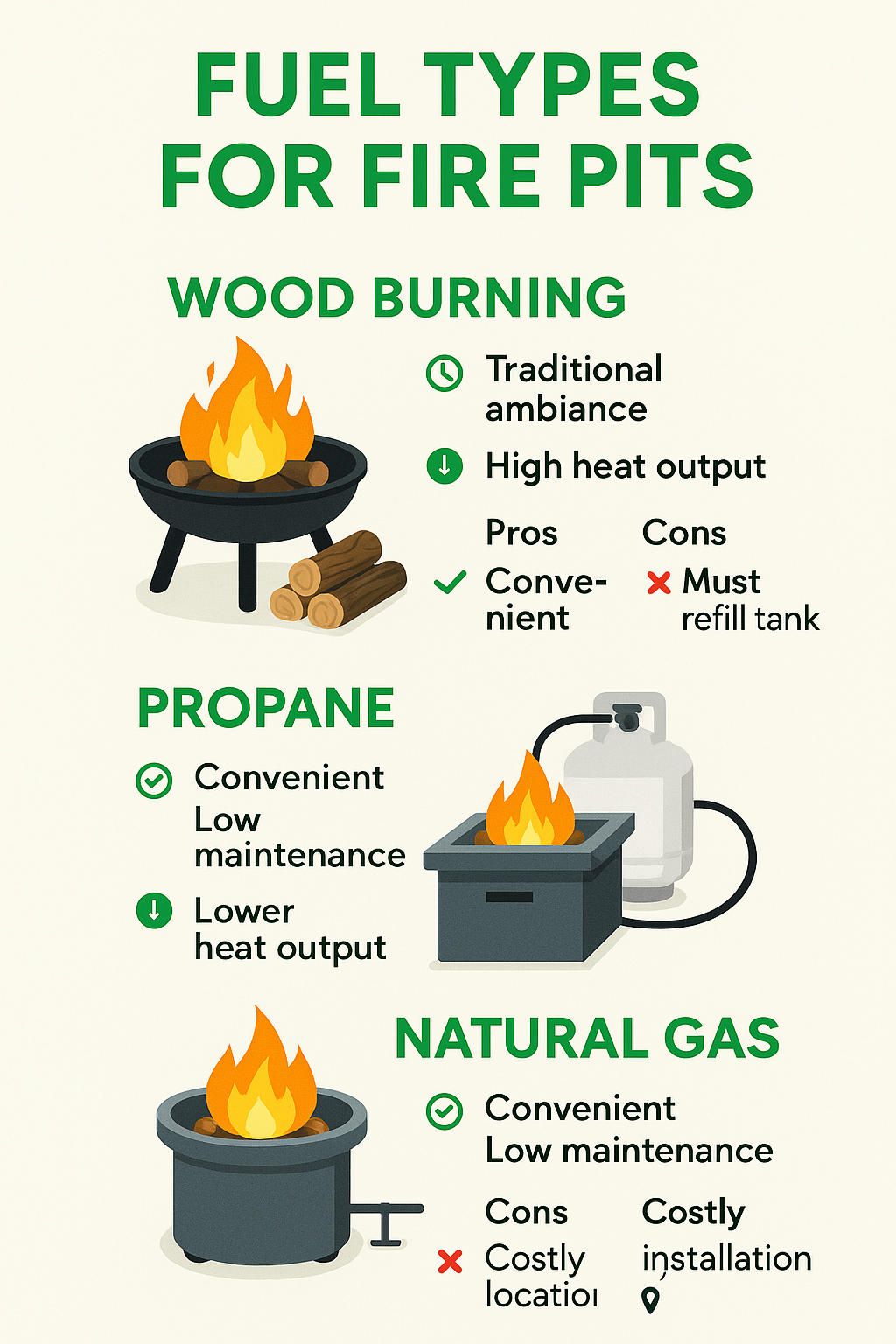
The fuel choice often comes down to how you plan to use your fire pit. For spontaneous, brief gatherings, gas offers unbeatable convenience. For dedicated fire enthusiasts who enjoy the ritual of building and tending a fire, wood remains the gold standard. Your lifestyle should guide this decision as much as your budget.
For more detailed information about fire pit safety and regulations, you might want to check out the National Fire Protection Association’s outdoor fire safety guidelines.
Making Your Decision: Which Fire Pit is Right for You?
After exploring all the factors, you’re probably wondering which option—a fire pit built in or a portable one—makes the most sense for your specific situation. Let’s break this down into a practical framework that has helped many of our clients throughout Woburn and surrounding communities make this important decision.
I remember working with a family in Burlington who were torn between options. They loved the idea of a permanent stone fire pit but weren’t sure if it justified the investment. After walking their property and discussing how they envisioned using their outdoor space, the decision became much clearer. They realized they hosted family gatherings almost every weekend during three seasons and wanted a feature that would improve their home’s value.
A built-in fire pit makes perfect sense if you’re a homeowner planning to stay put for at least 5 years. The permanence becomes an asset rather than a limitation. Many of our clients in Bedford and Lexington have told us their fire pit built in has become the heart of their outdoor living space—a gathering spot that gets used far more often than they initially expected.
Your budget naturally plays a significant role here. While the upfront investment is higher for a built-in option, I’ve had clients tell me it’s one of the best investments they’ve made in their home. As one Billerica homeowner put it, “We use our fire pit at least twice a week for eight months of the year—that works out to just a few dollars per use over its lifetime.”
Portable fire pits become the obvious choice for those renting their homes or planning to move within a few years. They’re also perfect if you’re still experimenting with your outdoor layout or if you have limited space. A client in Winchester originally purchased a portable fire pit while saving for their landscape renovation. It gave them two years to understand exactly what they wanted before committing to a permanent installation.
Local regulations can sometimes make this decision for you. Some communities or HOAs have restrictions on permanent fire features but allow portable options. We can help steer these requirements to ensure your fire pit complies with all local codes.
Your lifestyle should ultimately guide your decision. Do you entertain frequently? Do you prefer spontaneous gatherings or planned events? Are you looking for a focal point that improves your landscape even when not in use? These questions help determine whether the convenience and integration of a fire pit built in outweighs the flexibility of a portable unit.
This doesn’t have to be an either-or decision. I’ve worked with several clients who started with a portable fire pit to test locations and usage patterns before investing in a permanent installation. This approach allows you to experience the benefits of outdoor fire features while planning for a more substantial upgrade.
For more insights on integrating a fire pit into your overall landscape design, check out our detailed guide on Fire Pit Landscape Design. This resource offers additional perspectives on creating cohesive outdoor living spaces centered around fire features.
Whatever you choose, the goal remains the same—creating a warm, inviting outdoor space where memories are made. Whether that’s around a simple portable fire bowl or an elaborate fire pit built in to your landscape, the magic happens when family and friends gather around the flames.
Frequently Asked Questions about Built-In and Portable Fire Pits
What are the safety considerations for fire pits?
Safety isn’t just a checkbox—it’s the foundation of enjoying your fire pit for years to come. When I meet with homeowners in Woburn and surrounding communities, safety concerns are often top of mind, and rightfully so.
For any fire pit, maintaining proper clearance is essential. Always keep your fire feature at least 10-15 feet away from structures, trees, and anything that might catch fire. This distance isn’t arbitrary—it’s based on how far embers can travel on a breezy evening.
Never place your fire pit under tree branches or overhangs, as heat rises and can damage or even ignite overhead features. And while it might seem obvious, having a fire extinguisher, garden hose, or bucket of sand nearby is a simple precaution that could prevent a small issue from becoming a major problem.
When it comes to a fire pit built in to your landscape, proper construction materials make all the difference. Fire-resistant materials like stone, brick, and concrete aren’t just attractive—they’re essential safety features. Proper drainage is also crucial, as water accumulation can damage your fire pit over time and create safety hazards.
For gas-powered built-in units, professional installation isn’t just recommended—it’s necessary. Proper gas line installation with appropriate ventilation and emergency shutoffs ensures your fire feature is as safe as it is beautiful.
As one Woburn homeowner told me after we completed their fire pit built in project: “Having young kids, safety was our biggest concern. The peace of mind from knowing everything was professionally installed to meet all safety codes is honestly priceless.”
Portable fire pits have their own safety considerations. Always place them on level, non-combustible surfaces—a wooden deck is generally not suitable unless you’re using appropriate heat shields. Check for stability before each use, and always follow the manufacturer’s guidelines.
How does fuel type affect fire pit choice?
The fuel you choose for your fire pit fundamentally shapes both your experience and the design requirements. This choice often comes down to what you value most: tradition, convenience, or something in between.
Wood-burning fire pits deliver that classic campfire experience that many of us cherish from childhood—the crackling sounds, the dancing flames, the distinctive aroma that lingers on your clothes. There’s something primal and satisfying about tending a wood fire that gas simply can’t replicate. These pits typically require deeper designs with better airflow and need regular cleaning to remove ash. You’ll also need to consider wood storage and be aware of any local burning restrictions.
On the convenience side, gas-burning options (whether natural gas or propane) offer incredible ease of use. With just a turn of a knob or push of a button, you can have a consistent, controllable flame. There’s no waiting for the fire to build, no sparks or embers to worry about, and no cleanup afterward. For a fire pit built in to your landscape, natural gas provides seamless integration without visible tanks, though it requires professional installation of a permanent gas line. Propane works beautifully for portable pits or built-ins with hidden tank storage.
A client in Reading who chose a natural gas fire pit built in shared this insight: “We went back and forth between wood and gas for weeks. In the end, convenience won out—we use our fire pit almost every evening now, even if it’s just for 30 minutes while we have coffee, because it’s so easy to turn on and off.”
The design implications are significant too. Gas fire pits can be shallower and often feature decorative fire media like colored glass or ceramic logs. Wood pits need more depth and often incorporate screens or spark guards for safety.
Can a built-in fire pit increase the value of my home?
The short answer is yes—a well-designed fire pit built in to your landscape can significantly boost both your property’s value and its appeal to potential buyers. But the benefits go beyond just numbers on a listing sheet.
From a pure investment perspective, outdoor living improvements like built-in fire pits typically return 60-80% of their cost in increased home value. That’s a substantial return compared to many other home improvements. But the real value often comes in how these features help your home stand out in a competitive market.
Homes with thoughtfully designed outdoor living spaces tend to sell faster. Several local real estate agents I’ve worked with in Winchester and surrounding towns have confirmed that fire features are among the most desired outdoor amenities for today’s homebuyers. As one agent told me, “When I list homes with professionally installed fire pits and outdoor living areas, they consistently attract more interest and often command higher selling prices. Buyers immediately envision themselves enjoying the space.”
A fire pit built in effectively extends your living space outdoors, creating what many real estate professionals call “usable square footage” without the costs of actual home additions. In our Massachusetts climate, where outdoor enjoyment can be limited by season, features that extend the outdoor living season are particularly valuable.
The curb appeal factor can’t be overstated either. A beautiful stone or brick fire pit creates a focal point that lifts your entire landscape design, making that crucial first impression more powerful.
Of course, the value added depends on several factors: the quality of construction, how well the feature integrates with your overall landscape, and the preferences of your local market. That’s why at AJM Grounds, we design our fire pit built in features with both your current enjoyment and future resale value in mind.

Conclusion
There’s something magical about gathering around a dancing flame on a cool evening, isn’t there? Whether it’s the hypnotic flicker, the gentle warmth, or the way it brings people together in conversation, a fire pit can transform your outdoor space from ordinary to extraordinary.
The choice between a fire pit built in to your landscape and a portable option ultimately comes down to your lifestyle, property, and how you envision using your outdoor space for years to come. Both options offer their own unique advantages that can improve your outdoor living experience in different ways.
A fire pit built in becomes part of your home’s character – a permanent feature that anchors your landscape design and creates a natural gathering place. When crafted with quality materials and thoughtful design, it does more than just provide warmth; it becomes a statement piece that adds both beauty and value to your property. Yes, it requires a larger upfront investment, but many of our Woburn clients tell us their built-in fire pits quickly became the most-used feature in their yards, providing decades of enjoyment with minimal maintenance.
On the flip side, portable fire pits shine in their flexibility, affordability, and immediate satisfaction. They’re perfect companions for those who might move in the near future, have limited space, or simply enjoy rearranging their outdoor setup seasonally. While they may not add significant property value, they deliver much of the same cozy ambiance without the commitment of a permanent installation.
At AJM Grounds, we’ve helped countless homeowners throughout Woburn, Bedford, Billerica, Burlington, Lexington, Reading, Stoneham, Wilmington, and Winchester create outdoor spaces that perfectly match their dreams and practical needs. I’ve seen how the right fire feature can completely transform not just a backyard, but how a family uses their home.
The perfect fire pit isn’t about following trends – it’s about finding what works for your unique situation. By thoughtfully considering the factors we’ve discussed – from budget constraints to fuel preferences, from available space to long-term plans – you’ll make a choice that brings warmth and joy to your outdoor living for years to come.
Ready to transform your outdoor space with a custom fire pit built in to your landscape? Our team at AJM Grounds would love to help bring your vision to life. We’ll walk you through the entire process, from initial design concepts to the final touches that make your fire pit uniquely yours.
For more information about our fire pit design and installation services, visit our website at custom outdoor fire pits. Let’s create something beautiful together!
