

Why Choose a 6×6 Timber Retaining Wall?
6×6 retaining walls are a popular solution for managing slopes, preventing erosion, and creating usable outdoor space. They offer a blend of natural aesthetics, functionality, and value.
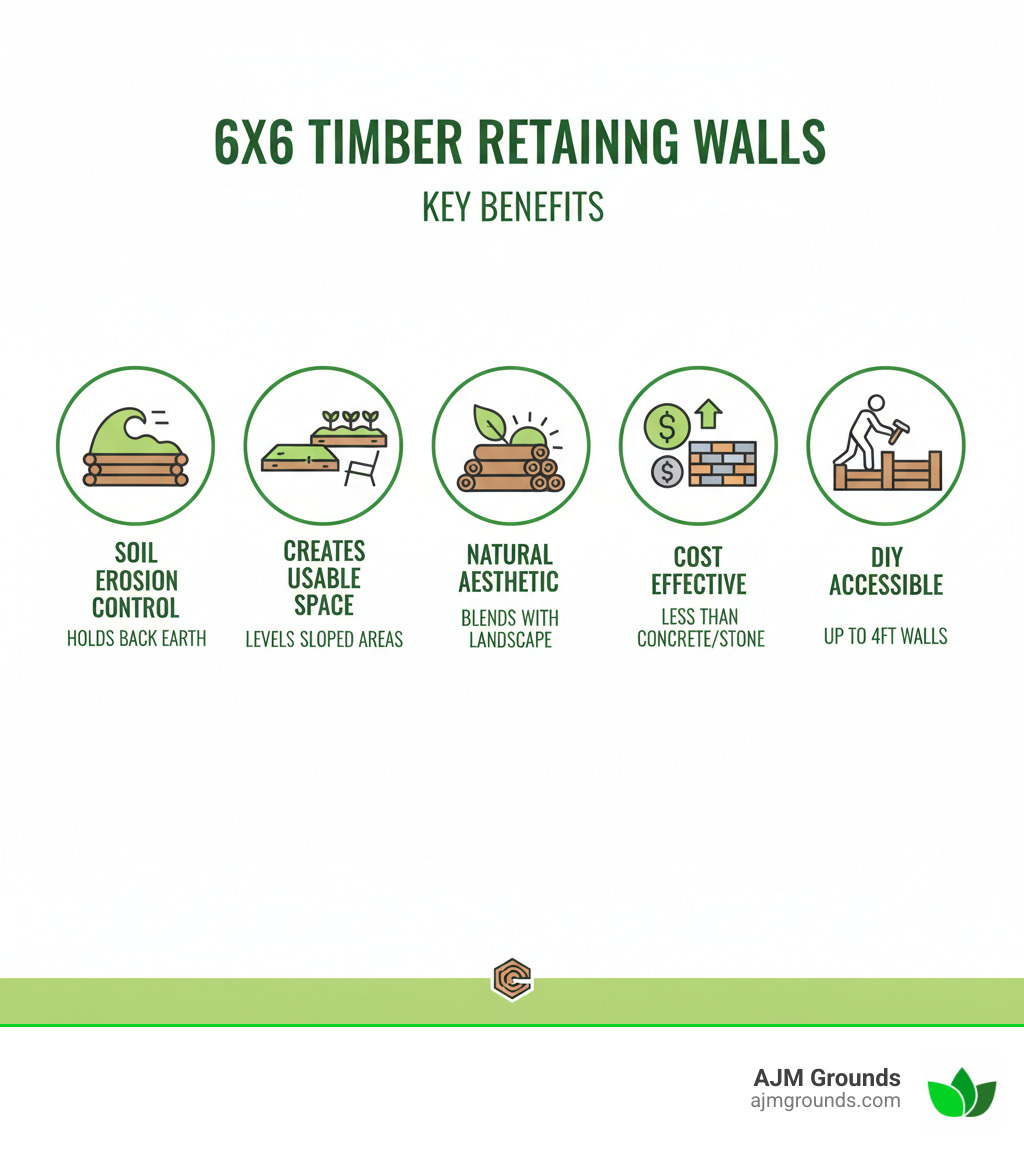
Key Benefits of 6×6 Timber Retaining Walls:
- Cost-Effective: $15–$30 per square foot installed (average internet data, not AJM Grounds pricing)
- DIY-Friendly: Moderately challenging for walls up to 4 feet high
- Natural Aesthetic: Wood blends seamlessly with landscape settings
- Functional: Holds back soil, prevents erosion, and creates level terraces
- Quick Installation: Faster than masonry or concrete block systems
A 6×6 retaining wall uses pressure-treated 6×6-inch lumber to hold back soil. The wall’s stability comes from its mass, a slight backward lean (batter), and proper anchoring. For walls over 4 feet tall, additional support from “deadmen” anchors buried in the hillside is required.
The most critical factor for a long-lasting wall is water management. Without proper drainage, hydrostatic (water) pressure can build up and cause the wall to fail. A system of perforated pipe, gravel backfill, and landscape fabric is essential to channel water safely away.
As the owner of AJM Grounds in Woburn, Massachusetts, I’ve seen how a well-built 6×6 retaining wall can transform a sloped yard. Understanding the fundamentals of their construction is key to achieving a durable and beautiful result.
6×6 retaining walls helpful reading:
Building Your 6×6 Retaining Wall: A Step-by-Step Guide
Building a robust 6×6 retaining wall requires careful planning and execution. We’ll walk you through the process, from initial considerations to the final touches, ensuring your wall stands strong for years to come.
Planning and Essential Materials for 6×6 Retaining Walls
Before digging, thorough planning is paramount. A successful 6×6 retaining wall project starts with a site assessment and gathering the right materials.
Site Assessment and Permits
First, assess your property. Consider the soil type (e.g., heavy clay vs. sandy soil), which affects the pressure on the wall. Plan for water drainage, as poor drainage is the #1 cause of wall failure. In Massachusetts, the wall’s footing must account for freeze-thaw cycles, typically by resting on a deep, well-drained gravel base. A four-foot-high, 15-foot-long wall can hold back 20 tons of saturated soil, so proper design is critical.
Before starting, check with your local building department in Woburn, MA, or your town. Permits are often required for walls over 3 or 4 feet, and taller walls may need an engineer’s approval.
Essential Tools and Materials
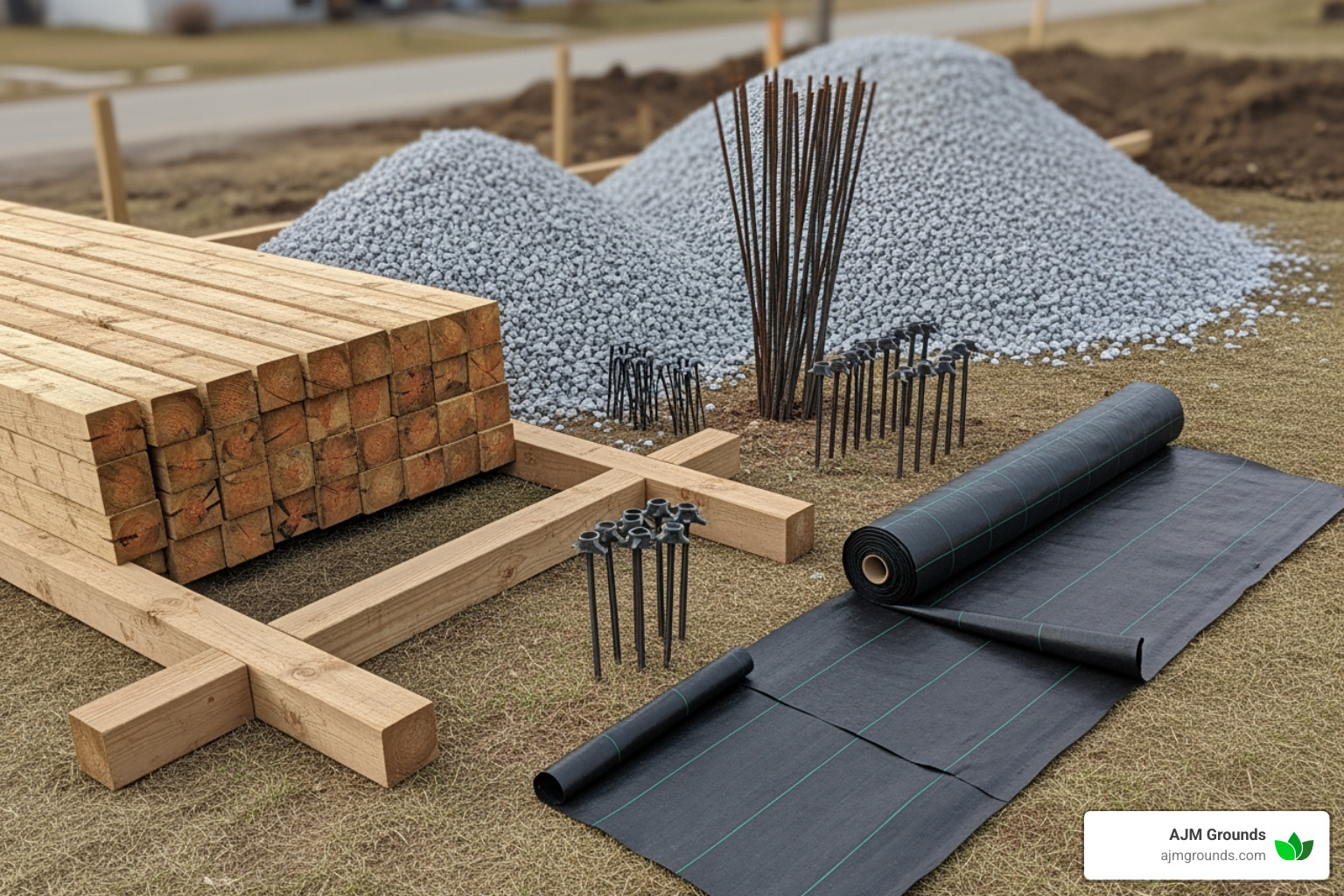
Here’s what you’ll need for a durable 6×6 retaining wall:
- Pressure-Treated Lumber: 6×6-inch timbers rated for ground contact (.40 or higher).
- Gravel: 3/4-inch minus or bank-run gravel for the base and drainage backfill.
- Landscape Fabric: To separate gravel from soil and prevent clogging.
- Rebar: #4 (1/2-inch) rebar in 42-inch lengths to anchor the base course.
- 10-inch Landscape Spikes: To fasten timber courses together.
- Shovel/Digging Tools: For excavation.
- Level (4-foot): For ensuring each course is perfectly level.
- Sledgehammer: For driving rebar and spikes.
- Circular Saw or Chainsaw: For cutting timbers. Always treat cut ends with a wood preservative.
- Drill: With bits for spikes (3/8-inch) and rebar (1/2-inch).
- Tamper: To compact the gravel base and backfill.
- Measuring Tape and String Line: For layout and alignment.
- Safety Gear: Gloves, safety glasses, and hearing protection.
For a deeper dive into overall landscape planning, check out our Retaining Wall Landscaping Ultimate Guide.
The Construction Process: From Foundation to Finish
With a solid plan, it’s time to build. Precision at every step is key to a strong 6×6 retaining wall.
1. Excavation and Foundation
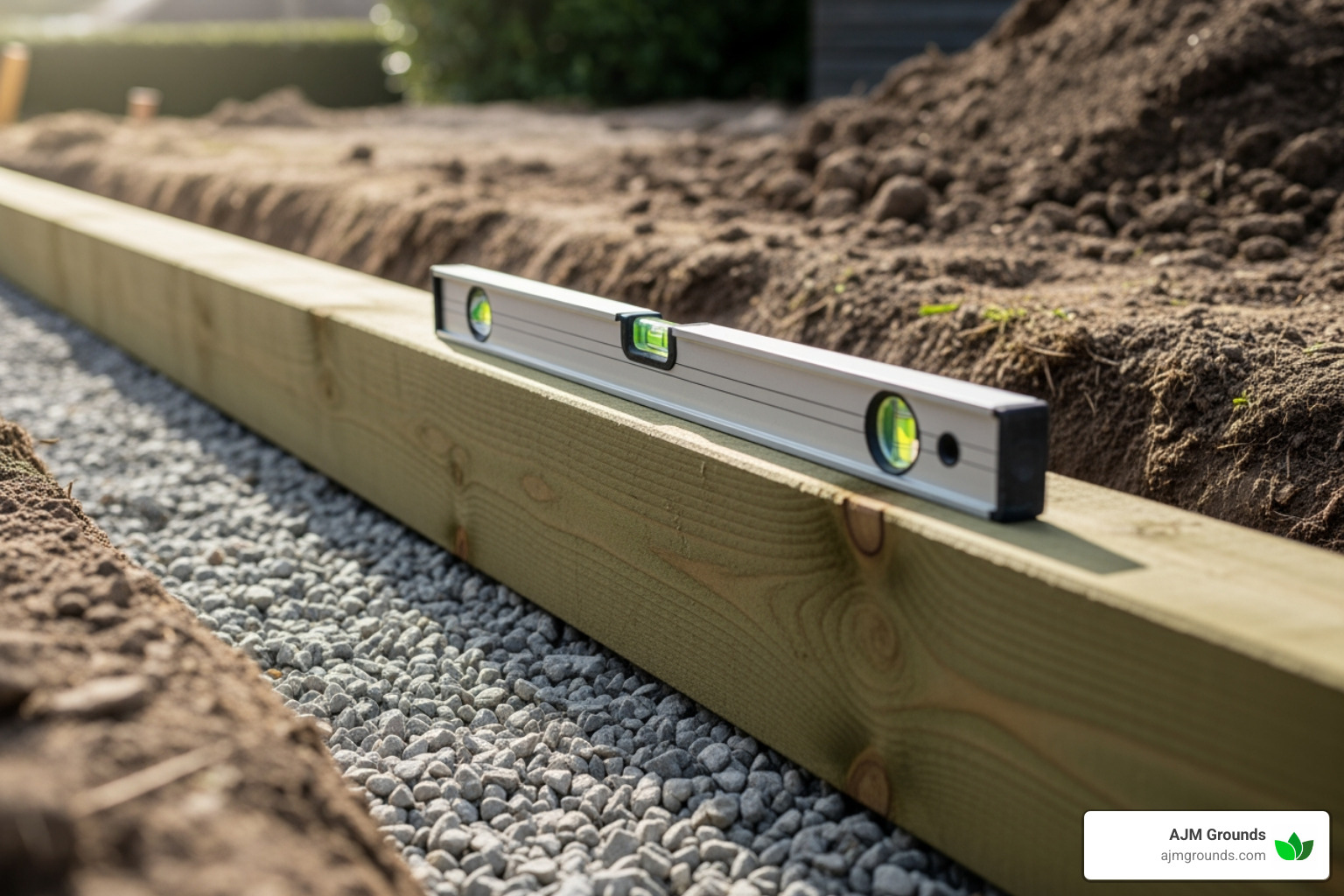
First, excavate the area for the wall and the drainage zone behind it. Dig a trench for the first course of timbers, about 8 inches deep and wide enough for the 6×6 timber. The trench depth is crucial in Massachusetts to get below the frost line and prevent heaving. Line the trench with landscape fabric, add 2-3 inches of 3/4-inch gravel, and compact it thoroughly with a tamper to create a firm, level base.
2. Laying and Anchoring the First Course
The first course is the most important, as it dictates the alignment for the entire wall. Place the first 6×6 timbers into the trench and use a long level to ensure they are perfectly level, adjusting the gravel underneath as needed. Once level, drill 1/2-inch holes through the timbers every 6 feet and drive 42-inch lengths of rebar through them deep into the ground to anchor the base course securely.
3. Stacking Subsequent Courses
Build upwards, course by course. For strength, stagger the joints of each new layer by at least 4 inches, similar to a brick pattern. Create a “batter” by setting each course back about 1/2 inch from the one below it. This slight lean into the hill dramatically increases stability. Secure each course by drilling 3/8-inch pilot holes and driving 10-inch landscape spikes through the top timber into the one below it every 2-4 feet. Remember to treat any cut timber ends with a wood preservative.
For more detailed information on installing various types of retaining walls, explore our guide on how to Install Retaining Walls.
Critical Support: Drainage and Reinforcement Systems
A 6×6 retaining wall will fail without proper drainage and reinforcement for taller walls. This is where engineering comes into play.
Managing Hydrostatic Pressure
Water-saturated soil is heavy and exerts immense force—known as hydrostatic pressure—on a wall. This is the leading cause of retaining wall failure. An effective drainage system is your primary defense.
Drainage System Installation
As you build, create a drainage column behind the wall.
- Perforated Pipe: Place a 4-inch perforated drain pipe (holes down) in a gravel-filled trench lined with landscape fabric directly behind the base course. Ensure the pipe slopes slightly to an outlet that directs water away from the wall.
- Gravel Backfill: As you add timber courses, backfill the space behind the wall with 3/4-inch gravel. Do this in 6-8 inch layers, compacting each layer with a tamper.
- Landscape Fabric: Use landscape fabric to separate the gravel backfill from the native soil, preventing clogs and ensuring the drainage system works long-term.
Deadmen Anchors for Taller Walls
For 6×6 retaining walls over 4 feet high, deadmen anchors are essential for reinforcement. These are T-shaped timber assemblies buried in the stable soil of the hillside, perpendicular to the wall.
- How They Work: The deadman is connected to the retaining wall with a tieback. The buried cross-piece acts as an anchor, using the weight of the soil to pull the wall back and counteract the forward pressure.
- Installation: Following best practices, deadmen should be installed every 8 feet along the wall, extending at least 6 feet back into the hillside. They are typically spiked into alternating courses as the wall is built.
For more technical details on reinforced walls, you can refer to resources like those from the FHWA.
Long-Term Care and Professional Considerations
To ensure your 6×6 retaining wall lasts, a little ongoing care goes a long way. Knowing what to look for and when to bring in the pros is key to its lasting success.
Common Issues and Maintenance for 6×6 Retaining Walls
Even the strongest 6×6 retaining wall can show wear over time. Inspect your wall twice a year, ideally in the spring and fall, to catch small problems before they become big ones.
Here’s what to look for:
- Bulging or Leaning: Any new outward movement (beyond the intended “batter”) indicates excessive soil pressure.
- Rotting Timbers: Check for wood decay, especially near the ground or in constantly damp areas.
- Poor Drainage: Ensure the drain pipe outlet is clear of debris and water isn’t pooling behind the wall.
- Soil Erosion: Look for soil washing away from the base or sides of the wall, which could undermine the foundation.
Simple maintenance can address many of these issues. Clear clogged drains, add soil or mulch to combat erosion, and re-apply wood preservative to any exposed cuts to extend the life of the timbers.
For more detailed advice on fixing common retaining wall issues, our Retaining Walls Repairs Guide is a helpful resource.
Project Costs and When to Call an Engineer
Understanding the potential costs and knowing when professional help is necessary are crucial parts of planning your 6×6 retaining wall.
Based on average internet data (not specific AJM Grounds pricing), timber retaining walls typically range from $15 to $30 per square face foot installed. However, complex sites, poor soil, or extensive reinforcement needs can increase the cost to $90 per square face foot or more. Key factors influencing price include wall height, site accessibility, and drainage requirements.
While a DIY approach is feasible for walls under four feet, professional installation ensures quality and often comes with a warranty. For more on budgeting, see our Retaining Wall Installation Cost Guide.
When to Consult a Professional Engineer
For certain projects, an engineer’s expertise is non-negotiable and often required by local building codes in places like Woburn, MA. You should consult an engineer if:
- Your wall will be over 4 feet high.
- You have poor soil conditions, like unstable ground or expansive clay.
- The wall will support a critical load, such as a driveway, patio, or building foundation.
- The site involves steep slopes or complex grading.
- Local regulations require it for your project’s scope.
Skipping an engineering review in these cases can lead to wall failure, safety hazards, and costly repairs. When in doubt, consulting an engineer is the smartest move.
Conclusion: Your Lasting Landscape Feature
A 6×6 retaining wall can beautifully transform a sloped, unusable area into a functional part of your yard. The key to a long-lasting wall lies in careful planning, proper water management, and adequate reinforcement, especially for taller structures.
When these details are handled correctly, your timber wall becomes a durable feature that blends structural integrity with natural beauty, enhancing your landscape for years to come.
For expert design and installation of landscape retaining walls in the Woburn, MA area, and surrounding towns like Bedford, Billerica, Burlington, Lexington, Reading, Stoneham, Wilmington, and Winchester, you can trust the friendly professionals at AJM Grounds. We’re ready to help you create an outdoor environment that’s both stunning and built to last.
